


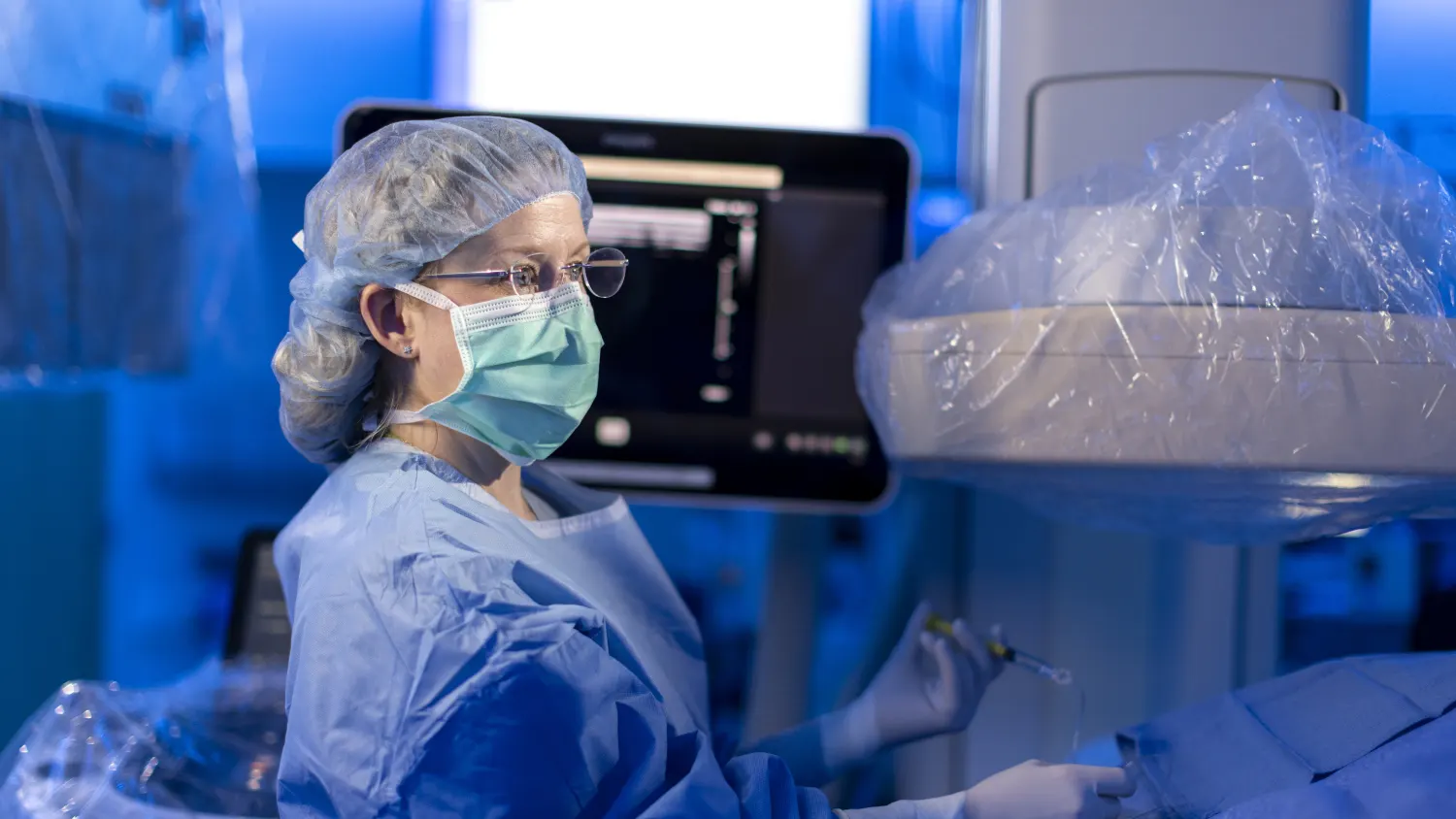
Liver conditions affect many people, and they range from mild inflammation to severe diseases such as cirrhosis and liver cancer. Interventional radiology has introduced a range of minimally invasive, image-guided procedures that serve as effective alternatives to traditional treatment. Since these procedures are minimally invasive, patients may benefit from reduced recovery times and improved outcomes. Here is more information on how liver conditions are treated:
What Are Liver Conditions?
The liver performs many different functions in the body, including filtering toxins, producing bile, and regulating blood sugar. When the liver is compromised, these functions are disrupted, and this disruption leads to a range of conditions that vary in severity. Some conditions are manageable, but others can be life-threatening without prompt medical intervention. Common liver conditions include hepatitis, cirrhosis, liver cancer, and fatty liver disease. Interventional radiology plays a valuable role in diagnosing and treating these conditions through image-guided procedures, which offer precise, minimally invasive alternatives to conventional surgery.
What Causes Them?
Liver conditions develop from a variety of causes, ranging from infectious diseases to genetic predispositions. Common causes include:
- Viral infections: Hepatitis B and C are common infectious causes of liver disease.
- Lifestyle factors: Excessive alcohol consumption and obesity can contribute to the development of liver conditions.
- Metabolic disorders: Genetic factors can predispose individuals to certain liver diseases.
Identifying the underlying cause helps determine the most appropriate treatment plan.
How Are Liver Conditions Treated?
Treatment depends on the type and stage of the liver condition, and the approach varies based on severity. Mild conditions may be managed with medication and dietary adjustments. As some conditions progress over time, regular monitoring is recommended so that the effectiveness of the chosen treatment can be evaluated.
More advanced conditions, particularly liver cancer, often require targeted therapies. Two treatment options are radioembolization and selective internal radiation therapy (SIRT). Radioembolization delivers radioactive microspheres directly into the arteries supplying a tumor, which cuts off its blood supply while simultaneously administering targeted radiation. SIRT is a form of radioembolization that uses yttrium-90 microspheres to deliver high doses of radiation to liver tumors. Both procedures are performed by interventional radiologists, and they are effective options for patients who are not candidates for surgery.
How Can Interventional Radiology Help?
Interventional radiology uses imaging technologies to guide minimally invasive procedures inside the body. These techniques allow physicians to treat liver conditions with precision, and they help reduce the need for open surgery while shortening recovery times. Procedures like SIRT are all performed by interventional radiologists, who specialize in image-guided treatment. Patients may experience fewer complications and faster recovery compared to traditional surgical approaches, which makes interventional radiology a valuable option.
Treat Your Liver Condition
Liver conditions are complex, but treatment options have advanced with interventional radiology. From radioembolization to SIRT for liver cancer, interventional radiologists offer targeted, minimally invasive solutions. Early diagnosis and prompt treatment are effective ways to manage liver disease, and they help patients maintain their quality of life. If you have been diagnosed with a liver condition or are experiencing symptoms, speak with a specialist about whether interventional radiology is right for you. A consultation with an interventional radiologist can help determine the most appropriate treatment plan based on your condition.
