


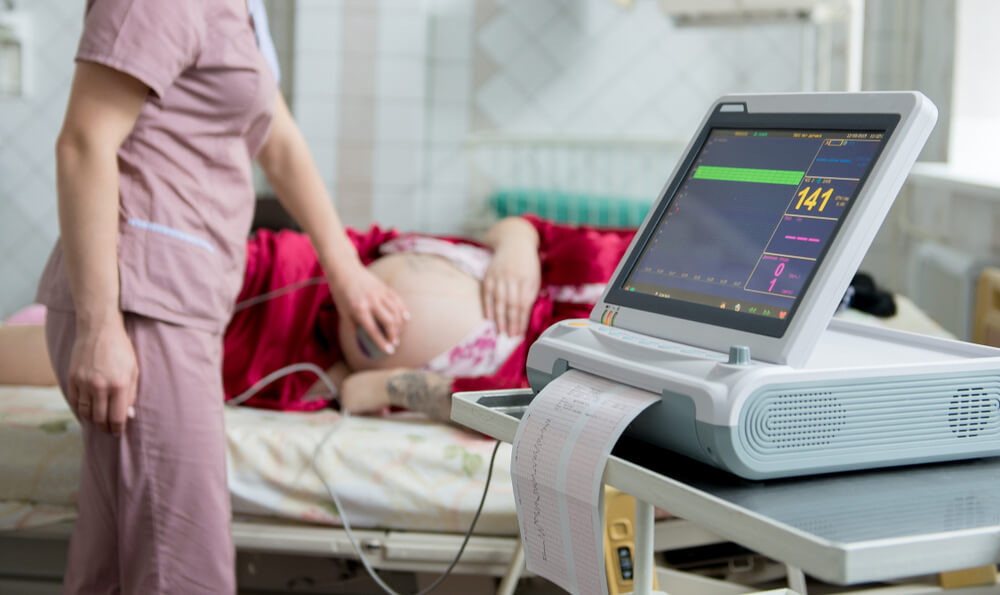
Obstetrics care involves monitoring the health of both the mother and the developing baby throughout pregnancy. Regular gynecology checkups and specific tests help track progress and identify any potential areas for attention. This process provides a detailed picture of the pregnancy from the first trimester through delivery. The goal is to support a healthy pregnancy for both mother and child.
How Is Maternal Health Monitored?
During prenatal visits, a gynecology provider will check several key indicators of the mother’s health. They routinely measure blood pressure and weight at each appointment. These measurements provide a baseline and can show trends over the course of the pregnancy. Keeping track of these numbers helps maintain a clear view of the mother’s physical well-being.
Urine tests are also a standard part of maternal health monitoring. These tests screen for proteins and sugars, which can point to conditions such as preeclampsia or gestational diabetes. Blood tests are performed at various stages to check for anemia, blood type, and immunity to certain diseases. This information contributes to a comprehensive health profile for the expectant mother.
What Tests Track Fetal Growth?
A variety of tests are available to follow the baby’s development. These assessments provide healthcare providers with information about the baby’s size, position, and general well-being within the uterus. Standard tests include:
- Ultrasound: This imaging technique utilizes sound waves to create a visual representation of the fetus. Ultrasounds can determine the baby’s age, screen for certain developmental markers, and check the position of the placenta.
- Fetal Heart Rate Monitoring: Listening to the baby’s heartbeat is a standard part of every prenatal visit. A handheld Doppler device is typically used to detect and listen to the steady heartbeat of the fetus.
- Nonstress Test (NST): This test monitors the baby’s heart rate in response to its own movements. It is a noninvasive way to check if the baby is receiving enough oxygen.
- Biophysical Profile (BPP): This test combines an NST with an ultrasound assessment. It evaluates the baby’s heart rate, muscle tone, movement, breathing, and the amount of amniotic fluid.
These procedures provide a window into the uterine environment. They help the care team gather specific data about fetal development, supporting a more complete understanding of the pregnancy’s progression.
How Often Are Checkups Scheduled?
The frequency of prenatal appointments generally increases as the pregnancy advances. A typical schedule involves visits every four weeks for the first 28 weeks. From week 28 to week 36, checkups are often scheduled every two weeks. In the final month of pregnancy, from week 36 until delivery, visits typically occur weekly. This schedule can be adjusted based on individual health needs or specific circumstances that arise during the pregnancy. The increasing frequency allows for closer observation as the delivery date approaches.
Consult a Gynecology Specialist
Regular monitoring is a standard component of prenatal care within the field of gynecology. These appointments create an opportunity to ask questions and discuss any changes you are experiencing. Your healthcare provider uses this time to collect information that supports a healthy path forward. If you have questions about your pregnancy care plan, speak with a healthcare professional. They can provide detailed information tailored to your specific health situation and guide you through the process.
