


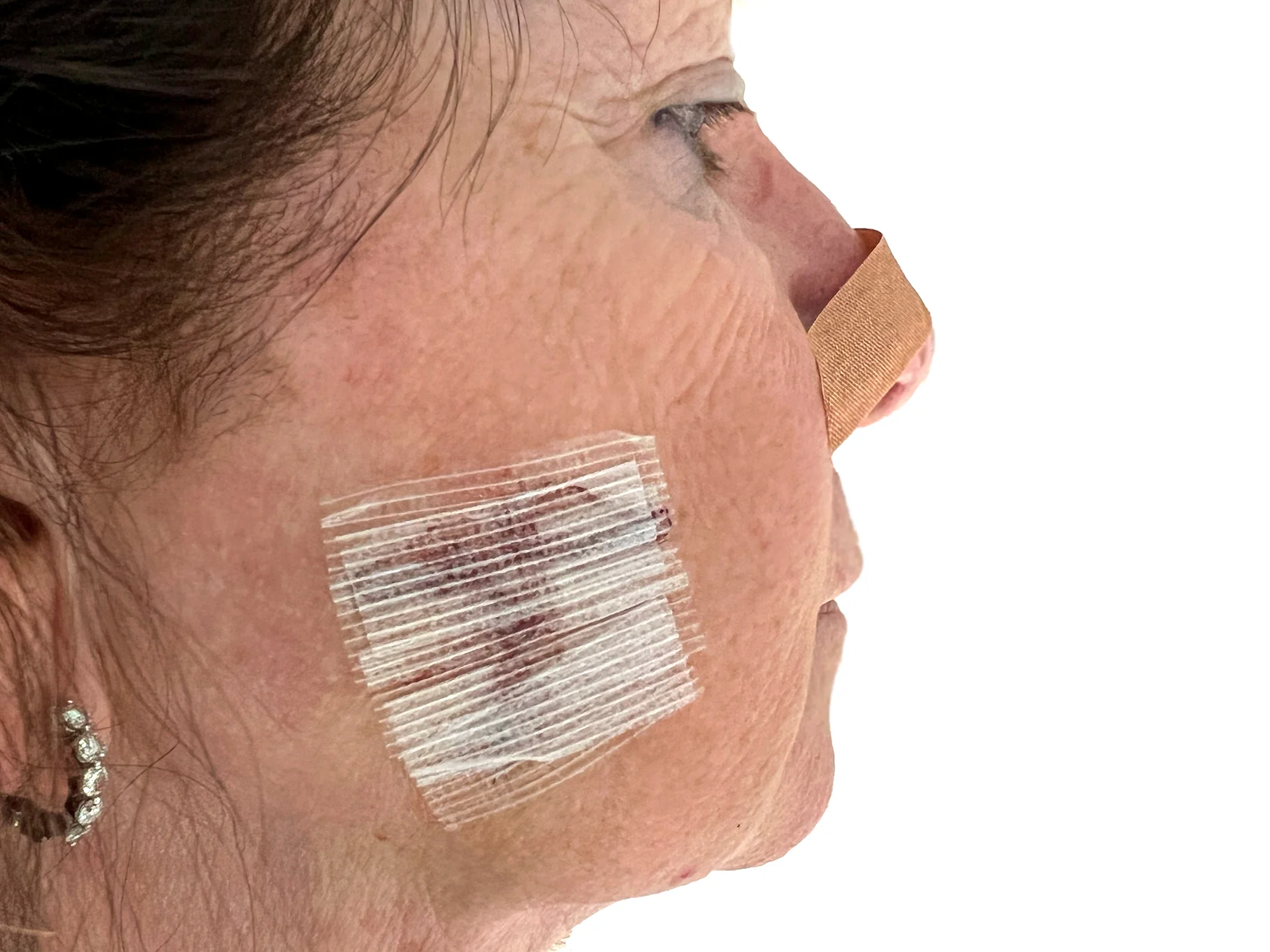
Mohs surgery is a precise procedure in which a surgeon removes thin layers of skin tissue one at a time. In the lab, the surgeon examines each layer under a microscope before deciding whether to continue. This helps remove cancerous areas while preserving as much healthy tissue as possible. The process repeats as needed, and the appointment follows a structured sequence from start to finish. Here are some things to expect from a typical Mohs surgery visit:
Preparing for Your Visit
Preparation for Mohs surgery starts several days before the appointment. Your surgeon’s office provides specific instructions, and following them closely is key to getting ready. Call the office before your appointment date if any step is unclear. Share a complete medication record with your care team. Your physician can decide whether to adjust any prescription before surgery; avoid changing a medication without direct guidance from your doctor. Accurate records help the team plan effectively.
Mohs appointments may take several hours or a full day, as the surgeon sometimes completes more than one stage. A few things to think about packing before you leave home include:
- A book, tablet, or other quiet activity
- Snacks and a refillable water bottle
- A light sweater for cool waiting areas
- Your photo ID, insurance card, and medication list
Following the Surgical Stages
The visit typically begins in a procedure room. A nurse or medical assistant cleans the treatment area, and the surgeon marks the site. Once the area is prepared, the surgeon applies a local anesthetic to numb the skin, and the first stage begins. The surgeon removes a thin layer of tissue, and a team member bandages the site while the lab processes the sample. You may then return to the waiting area, where staff members will call you once the review is complete. Laboratory review takes time because a technician must prepare the tissue on slides before the surgeon inspects each one under a microscope.
Your surgeon then determines the next step. If the review shows that more tissue removal is needed, the team repeats the same process; otherwise, the procedure moves to wound repair. After the final stage, your surgeon explains the recommended repair method, which may involve stitches, a skin flap, a graft, or natural closure.
Managing Recovery and Follow-Up
Before you leave, the care team provides written aftercare instructions. These instructions may cover bandage changes, cleaning steps, and activity limits, so read them carefully. Following your surgeon’s directions exactly gives the site an optimal chance to heal. Patients may also receive guidance about lifting, bending, or exercise during the first days of recovery. Contact the office promptly if you have questions about the site, and describe what you observe in clear, specific detail. Your surgeon may also schedule a follow-up visit to check the site and remove any stitches.
Learn More About Mohs Surgery
Mohs surgery follows a well-defined sequence, which includes preparation, staged tissue removal with microscopic review, wound repair, and structured aftercare. Each phase builds on the last, and the full process sometimes requires a full day, so plan accordingly. The procedure can treat various types of cancer, including basal cell and squamous cell carcinoma. Contact a qualified Mohs surgeon’s office today to schedule a consultation.
