


Venous disease affects millions of adults in the United States, and it encompasses a broad range of conditions that impair normal blood flow through the veins. These conditions include spider veins, varicose veins, chronic venous insufficiency, and deep vein thrombosis. When the valves within the veins weaken or become damaged, blood pools in the lower extremities, which leads to symptoms such as swelling, heaviness, skin discoloration, and discomfort. Understanding the structure of a first visit helps patients prepare for the assessment. Here is more information on what a vein clinic does and what occurs during an initial appointment:
What Is a Vein Clinic?
A vein clinic is a medical facility focused specifically on diagnosing and treating venous conditions. These clinics address issues ranging from spider veins and varicose veins to more serious concerns, such as chronic venous insufficiency and blood clots, which can require immediate medical attention. Unlike general practitioners, vein clinic staff focus their expertise on the venous system, allowing faster, more accurate diagnoses; this specialization distinguishes them from standard primary care.
What Services Do They Offer?
Vein clinics provide a range of diagnostic and treatment services tailored to different conditions. Standard offerings include:
- Ultrasound imaging to assess blood flow and detect clots or valve dysfunction
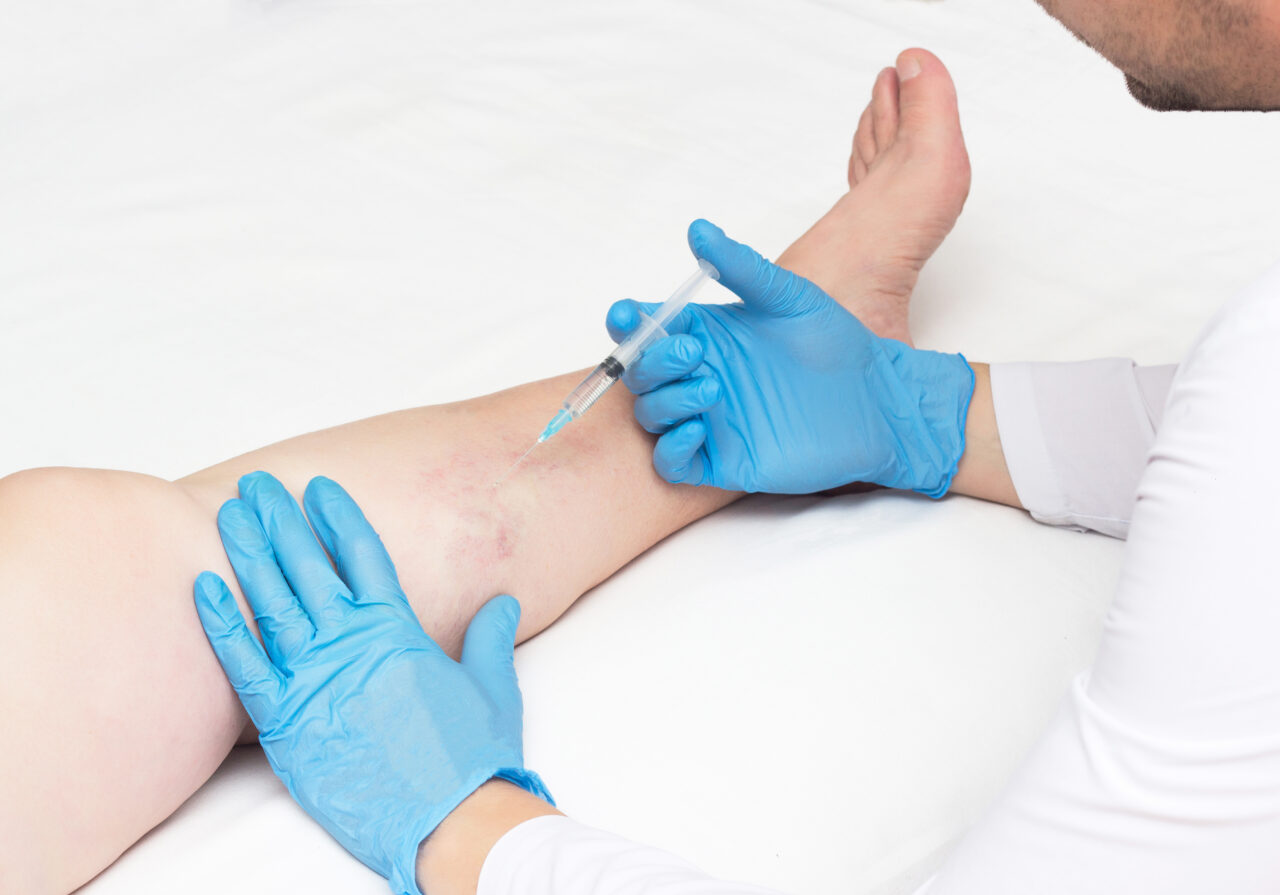
- Sclerotherapy, a procedure that uses injections to close off problematic veins
- Endovenous laser treatment (EVLT) for larger varicose veins
- Compression therapy recommendations to improve circulation
What Do First Visits Involve?
A first visit generally begins with a discussion of symptoms, medical history, and any prior treatments. The specialist may ask about pain, swelling, skin changes, or visible vein abnormalities, and patients should provide as much detail as possible. Because venous disease may have a genetic component, the specialist also assesses family history.
Vein specialists can perform a physical examination of the legs while the patient stands, as this position allows veins to fill with blood and makes abnormalities easier to detect. An ultrasound scan may follow. This non-invasive test maps the venous system, and it identifies areas where blood flow is restricted or reversed, providing the specialist with information about venous function.
By the end of the appointment, the specialist typically outlines a treatment plan; this plan may involve a single procedure, a combination of therapies, or a period of observation if symptoms are mild. Patients may leave with an understanding of the next steps. Preparation requirements for follow-up care are also communicated at this stage, which allows patients to plan ahead and follow the recommended instructions.
How Is Specialized Care Beneficial?
Specialized vein care offers advantages that general medical practices cannot always match. Vascular specialists receive focused training in venous anatomy and treatment techniques, which leads to more precise diagnoses. Patients treated by vein specialists may report better symptom management. Recovery times after procedures may be faster when trained specialists provide care, and minimally invasive outpatient treatments further reduce downtime.
Dedicated vein clinics use advanced diagnostic equipment. Duplex ultrasound systems, which may not be available in general practice settings, allow specialists to detect subtle venous abnormalities; early detection helps prevent serious complications. When abnormalities go undetected, conditions such as ulcers or deep vein thrombosis can develop, necessitating more involved care. Specialized care helps mitigate these risks.
Know What To Expect
Early evaluation may lead to simpler, less invasive treatment options for venous diseases. A first visit to a vein clinic includes a discussion of symptoms, physical examination, diagnostic imaging, and a tailored treatment plan; knowing this sequence in advance helps patients prepare for the appointment. If you’ve noticed swelling, visible veins, or leg discomfort, schedule a consultation with a vein specialist.
