


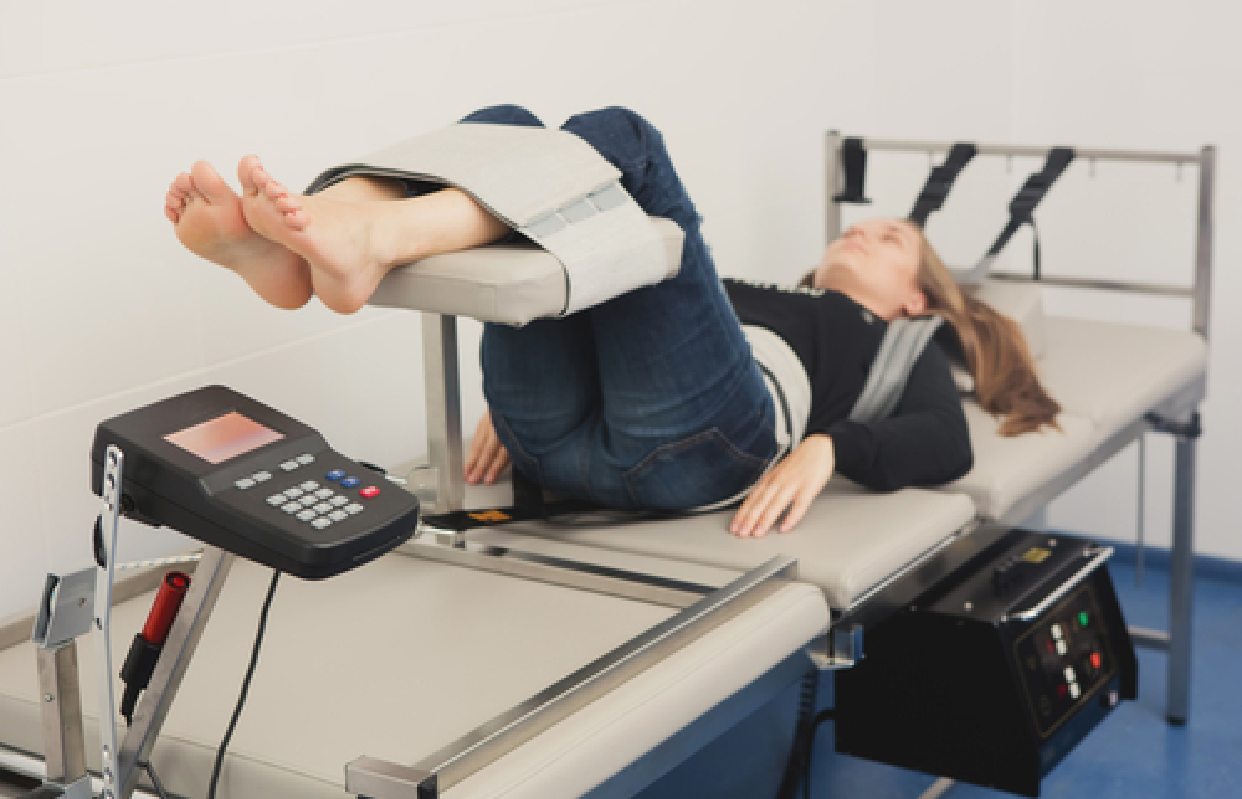
Spinal decompression relieves pressure on the spinal cord or nerve roots, and it aims to make daily activities more manageable. When structures in the spine press on nerves, symptoms include pain, numbness, or weakness that interfere with walking, working, or sleeping. Treatment clears space around irritated nerves, and it supports better movement and function over time. This is how this procedure can improve your quality of life:
Removing Bone or Tissue
When bone or soft tissue squeezes a nerve, targeted removal helps restore space. Surgeons remove only the structures that narrow the canal or opening, leaving stable areas intact. The goal of spinal decompression is to give the nerve more room to reduce irritation. As pressure decreases, signals travel more freely, supporting steadier movement.
Bone spurs, thickened ligaments, or part of a disc may press on the spinal cord or nerve roots. The procedure targets the specific level, and imaging guides the plan. A surgeon clears the compression while protecting nearby structures. The nerve then has more room to move. When the source of contact is gone, symptoms frequently lessen, and daily tasks become more manageable.
Alleviating Radiculopathy Symptoms
Radiculopathy develops when a spinal nerve root is compressed or inflamed as it exits the spine. The irritation leads to radiating pain, tingling, or weakness, and it follows the path of the nerve. When spinal decompression reduces pressure at that root, the nerve has a chance to recover, and symptoms typically decrease. Look for these benefits:
- Pain that travels from the neck into the arm may lessen after nerve pressure drops.
- Leg pain linked to lumbar nerve compression typically decreases as space is restored.
- Numbness or tingling in the hands or feet sometimes improves when the nerve heals.
- Weakness in specific muscle groups may ease as nerve signals transmit more effectively.
- Activities like walking, gripping, or climbing stairs may become more manageable.
Relieving Pressure of Compressed Nerves
When a nerve is pinched, the disruption typically leads to pain or altered sensation. Compressed nerves may interfere with normal communication between the spine and the rest of the body. By creating more room around the nerve, spinal decompression reduces mechanical stress, giving the tissue a chance to recover. As swelling subsides, nerve function becomes more reliable.
Nerve compression sometimes affects balance, coordination, and fine motor control. When pressure decreases, some people have steadier footing, and others experience better grip strength. The change typically progresses gradually as the nerve heals. With less compression, physical therapy exercises may become easier to perform.
When the spinal canal or nerve openings are narrow, even small movements can aggravate symptoms. Decompression alters the space available. This treatment aims to reduce friction on sensitive structures. Over time, reduced irritation typically leads to fewer pain flares during routine tasks.
Reducing Pain
Pain from compressed nerves may limit movement and disrupt sleep, and spinal decompression targets this source directly. When pressure on the nerve decreases, pain signals may drop, and that shift supports more consistent activity. Reduced discomfort allows better participation in rehabilitation, and structured exercise then helps strengthen supporting muscles. Over time, this combination of decompression and improved strength supports a more stable spine and more predictable comfort.
Book a Spinal Decompression Consultation
Evaluation by a spine specialist helps determine whether spinal decompression fits your specific condition, symptoms, and goals. Imaging, a physical exam, and a review of your medical history guide the discussion about expected outcomes. Minimally invasive approaches focus on smaller incisions and targeted treatment of the problem area. A consultation offers a plan that aligns treatment with your daily needs and long-term function.
