


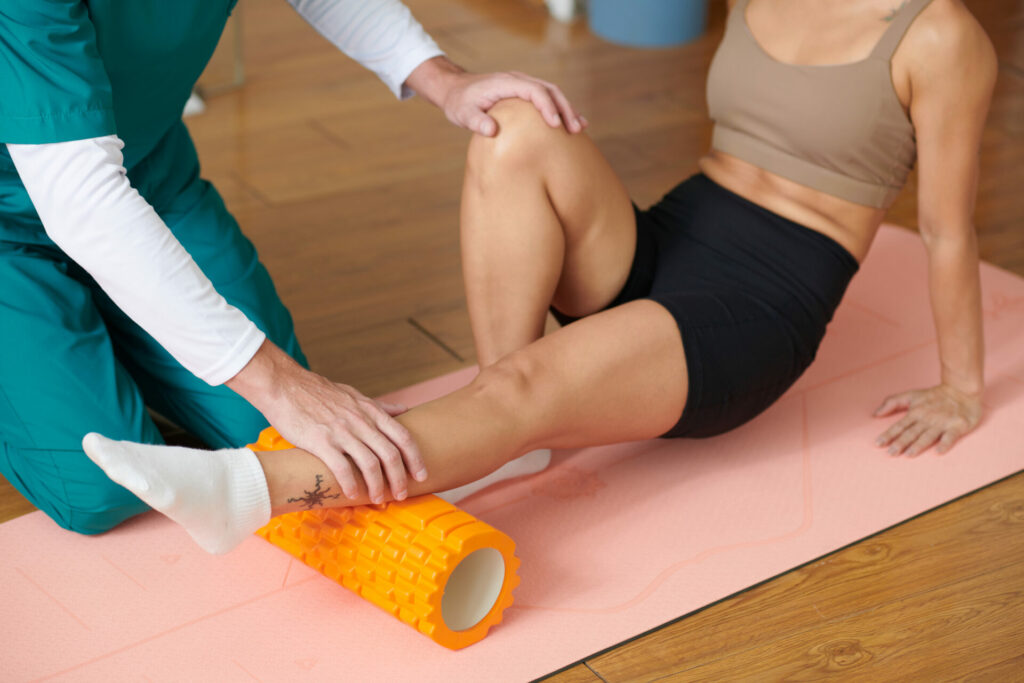
Sciatica sometimes affects daily movement because the sciatic nerve extends from the lower back through the hips and legs. When this nerve becomes compressed or irritated, pain may radiate down one leg. Numbness and tingling are also common. Some individuals experience symptoms during prolonged sitting, while others notice discomfort when standing. Patients may explore various treatment options, including those beyond medication and surgery. Different approaches help complement conventional medical care and provide additional strategies for managing symptoms. Here’s more information about treatment options for sciatica:
Understanding Nerve Irritation
Sciatica can develop when a disc, joint, or surrounding muscle irritates or compresses the sciatic nerve. This irritation triggers pain signals, and discomfort sometimes extends from the lower back into the hip or thigh. Symptoms may include sharp pain, dull aching, or leg weakness. When a healthcare provider identifies the underlying cause, such as a tumor or osteoarthritis, they’re able to recommend treatment that addresses the contributing condition. A structured plan supports consistent care and helps patients monitor changes in their symptoms.
Exploring Noninvasive Therapies
Many noninvasive therapies address movement, posture, and soft tissue health. These approaches complement medical care, and they can help reduce irritation around the sciatic nerve. Some therapies use gentle pressure or stretching, while others strengthen muscles that support the spine. When performed under professional supervision, these treatments may help reduce symptom flare-ups.
- Targeted stretching: Lengthens tight hip and hamstring muscles to support mobility.
- Strength training: Develops core and gluteal muscles to improve spinal support.
- Manual therapy: Addresses joint stiffness and muscle trigger points through targeted techniques.
- Therapeutic massage: Targets muscle tension around the lumbar spine.
- Low-impact exercise: Uses activities such as walking or pool therapy to support gradual physical conditioning.
Integrating Complementary Approaches
Complementary approaches work alongside standard medical treatment, and they often address lifestyle habits. Guided breathing, structured relaxation, and gentle movement sequences may reduce muscle guarding around the lower back. Some patients use heat or cold packs at home, and they combine them with stretching routines. When these steps follow a clear plan, they help support the body’s natural recovery processes. People may also assess sleep quality and workstation setup, as these factors influence symptoms over time.
Some professionals also offer minimally invasive procedures for sciatica; these include targeted injections and other techniques designed to relieve pain and improve mobility. Although these procedures can provide additional relief, they are not appropriate for every patient. Patients should discuss the potential benefits and risks with their healthcare providers. When combined with appropriate medical care, complementary approaches may help improve comfort and daily function.
Find Treatment for Sciatica
Before starting alternative treatments for sciatica, consult a qualified healthcare professional to discuss available options. An accurate diagnosis guides treatment decisions, and it helps prevent delays in necessary medical care. Combining conventional medical care with appropriate complementary therapies can support a coordinated approach to sciatica management. Consistent attention to posture, muscle strength, and daily activities supports mobility. Individualized treatment plans can also address symptoms while promoting sciatic nerve health. Contact a qualified healthcare provider to discuss sciatica treatment options and develop an appropriate care plan.
