


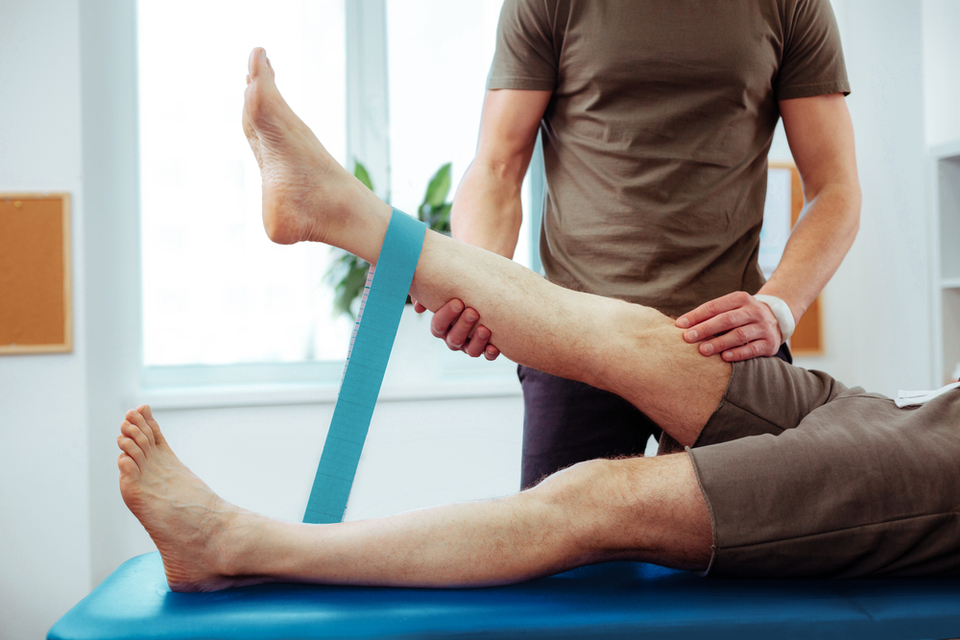
Rehabilitation often involves a series of structured steps, and physical therapy plays a central role in that process. Targeted movement, guided exercises, and hands-on techniques support healing after injuries. When therapy sessions follow a plan, they help restore function. Therapy may reduce the impact of stiffness or weakness on daily tasks.
Supporting Long-Term Recovery
Rehabilitation does not end when formal sessions stop, because tissues continue adapting to daily demands. Physical therapy introduces exercises that transition into a home routine, and this helps maintain strength and mobility gains. When patients understand which movements support recovery, they are more prepared. A structured plan also gives them a way to track progress. They repeat familiar exercises and note changes in comfort or performance.
Therapists may emphasize joint protection during rehabilitation. They explain how posture, lifting technique, and rest breaks influence recovery. When people apply this information during regular activities, they reduce stress on healing tissues. They limit setbacks during the process, so you have a supportive plan. This approach supports a gradual return to previous activity levels while also promoting steady function gains over time.
Finding a Local Specialist
Rehabilitation works best when therapy integrates with medical guidance, and local orthopedic teams help coordinate that care. When symptoms involve bones, joints, or ligaments, orthopedic input shapes the timing and intensity of movement. As treatment plans evolve, communication between medical providers and therapists supports safe progression. When a physician outlines restrictions, the therapist designs movements that respect those limits. They still promote circulation and strength. This collaboration helps address pain sources while guiding patients through each stage of rehabilitation.
Reducing Pain Strategies
Targeted exercises influence how the body loads joints, and this often affects pain levels during movement. After an injury or procedure, joints sometimes lose motion. Muscles around them lose strength. Physical therapy uses controlled movement to address stiffness, and it also promotes coordination between nearby joints. A therapist tracks changes in range of motion over time, so exercises match current abilities. As mobility returns, daily activities like walking, reaching, or climbing steps often become more efficient. When muscles share the workload more evenly, irritated tissues experience less stress. Therapists use this principle in rehabilitation programs, so they adjust positions and movements to reduce strain.
- Activity pacing: Breaking tasks into smaller segments limits fatigue, and it helps maintain consistent movement quality.
- Movement retraining: Practicing specific patterns teaches the body to use stronger muscles while protecting sensitive areas.
- Stretches: Gradual flexibility work supports joint motion, and it may reduce tension across nearby structures.
- Muscle endurance: Repeated low-load exercise builds stamina, and this supports longer periods of activity.
Start Physical Therapy Today
If you are recovering from an injury or surgery and want structured support, talking with an orthopedic specialist offers a starting point. Ask how physical therapy fits into your rehabilitation plan, and bring questions about daily activities, work tasks, and exercise goals. When your medical team and therapist share information, your sessions align with your diagnosis. Your home program matches your current abilities. Reach out to a local orthopedic practice to discuss your symptoms, and you can learn whether a guided therapy plan suits your recovery needs.
