


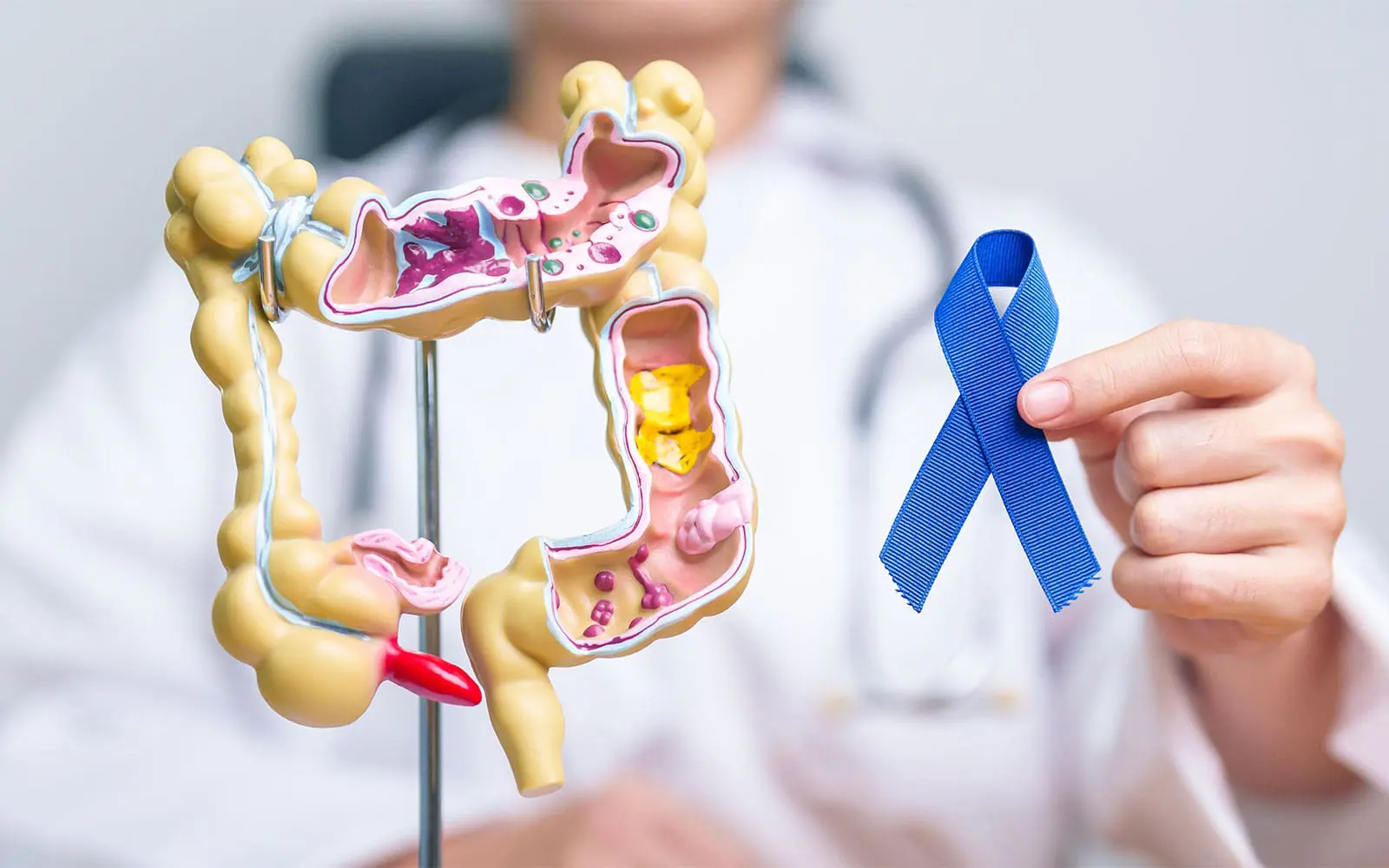
Colorectal cancer is preventable, but it may develop slowly over a long period and go undiagnosed. Colon cancer screening allows physicians to identify abnormal growths, called polyps, before they become cancerous, and to detect cancer in its earliest and most treatable stages. Learn more about understanding the role of colon cancer screening in early detection.
Preventative Care
Colon cancer screening is a cornerstone of preventative care. Most colorectal cancers begin as small, noncancerous polyps that form on the inner lining of the colon or rectum. Over time, some of these polyps can change and become cancerous.
During certain screening procedures, such as a colonoscopy, physicians can locate and remove polyps in the same appointment. Removing these growths eliminates the possibility that they will develop into cancer. In this way, screening does more than detect disease; it can actively prevent it.
Early Detection
When colorectal cancer does develop, early detection determines treatment options and outcomes. Changes in bowel habits, rectal bleeding, abdominal discomfort, unexplained weight loss, or fatigue are reasons to test for colon cancer. Because these symptoms frequently appear only after the disease has progressed, waiting for warning signs is not a reliable approach.
Routine screening can identify cancer before it spreads beyond the colon or rectum. Cancers found at this stage are generally smaller, more contained, and easier to treat. Treatment may be less extensive, recovery may be shorter, and patients often have more options available to them.
Survival Rates
When colon cancer is found while it is still localized, the five-year relative survival rate is approximately 90 percent. Once the cancer has spread to nearby lymph nodes or tissues, that rate decreases to roughly 70 percent. When the cancer has spread to distant organs, such as the liver or lungs, the five-year survival rate falls to about 13 percent.
These figures highlight the importance of finding colorectal cancer as early as possible. Unfortunately, a substantial portion of colorectal cancers are still diagnosed at later stages, often because individuals were not screened or did not complete recommended follow-up testing. Increasing screening participation remains one of the most effective ways to reduce deaths from this disease.
Types of Screening
Several colon cancer screening options are available, and each has its own benefits, preparation requirements, and recommended frequency. Common screening methods include:
- Colonoscopy: A physician uses a thin, flexible tube with a camera to examine the entire colon and rectum, removing polyps if found.
- Stool DNA test: This at-home test looks for both blood and abnormal DNA in the stool.
- CT colonography: Sometimes called a virtual colonoscopy, this imaging test uses a CT scan to create detailed images of the colon.
If a stool-based or imaging test produces an abnormal result, a follow-up colonoscopy is necessary to complete the screening process. Completing these tests helps protect colon and overall health.
Get Colon Cancer Screening
Screening for colon cancer can prevent cancer, detect it early, and save lives. If you have risk factors that increase your likelihood of developing colorectal cancer, speak with your physician about scheduling a screening. Your care team can answer your questions, explain what to expect, and help you choose the test that best fits your needs.
