


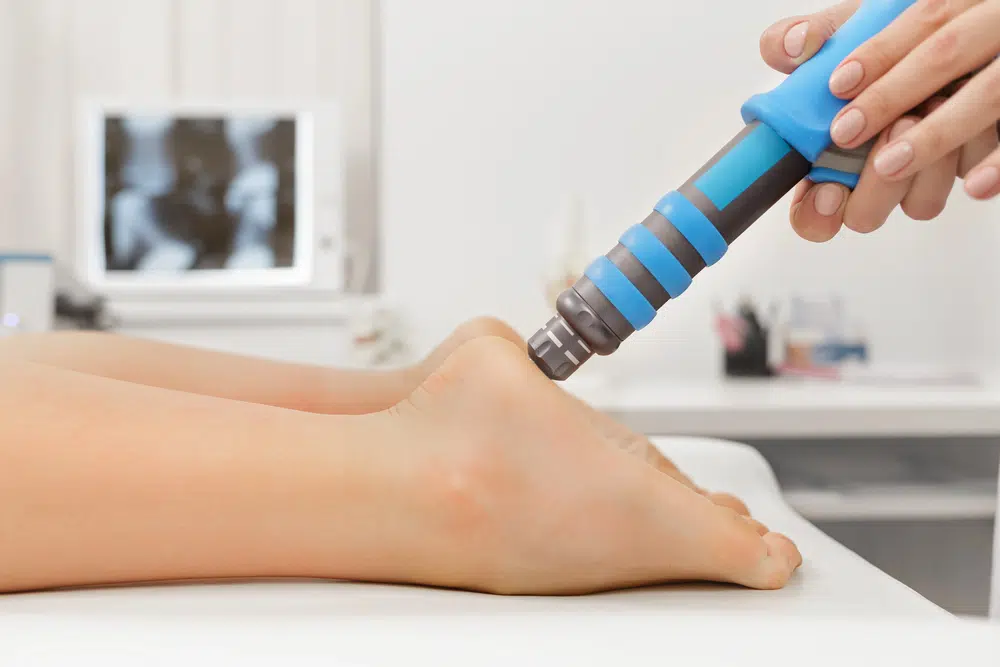
Shockwave therapy uses focused, high-energy acoustic waves delivered through the skin into underlying tissues. This treatment is non-invasive, so a typical session involves no incisions, sutures, or anesthesia. Many people pursue this approach to address stubborn musculoskeletal pain and support tissue recovery, and it often complements other treatments like physical therapy. Here’s information on what you should know about shockwave therapy, how the body responds over time, and which conditions are commonly addressed:
Reaching Deep Tissues
During a shockwave therapy session, a clinician applies a gel to the skin and places a handheld applicator over the targeted area. The device delivers a series of rapid acoustic pulses that travel through the skin to deeper tissues, including tendons and ligaments. You may feel tapping or pressure as the waves reach sensitive structures, but many people describe sessions as tolerable. Treatment time varies with the size of the area, though sessions are often relatively brief, and you return to normal daily activities afterward unless otherwise told.
Promoting Healing
Shockwave therapy stimulates the body’s natural repair processes, so it doesn’t provide instant relief. The acoustic waves create controlled mechanical stress in tissues, which encourages circulation and cellular activity in the treated region. This response may support tissue remodeling over time, especially when combined with stretching, strengthening, or other rehabilitation strategies. Some people notice short-term soreness after a session, while others feel less restricted; both responses are normal as the body adjusts.
Recovery with this therapy unfolds over several weeks as sessions build on one another. Treatment plans often involve a series of visits scheduled days or weeks apart, allowing tissues to respond between sessions. Many providers recommend multiple sessions, though the exact number depends on the condition, symptom duration, and overall health. Your clinician will monitor changes and adjust your plan as needed by assessing your:
- Pain Levels
- Mobility
- Function
Consistent follow-through with home exercises, posture changes, and activity modifications often strengthens the overall effect of this treatment.
Benefiting Many Conditions
Acoustic therapy is frequently used in musculoskeletal care for acute and long-standing issues, including plantar heel pain, chronic tendon irritation, and persistent hip or knee pain. Because each condition behaves differently, your response to therapy may differ from someone with a separate diagnosis, even if the same device is used. Some providers also explore this therapy for scar tissue management, muscle trigger points, or slow-to-recover soft tissue strains.
Before starting treatment, a thorough evaluation helps determine whether this approach aligns with your health status and goals. Your clinician will review your medical history, current medications, and imaging or prior test results, then examine the affected area. They will also explain possible side effects, from localized soreness to symptom flares, and outline how to manage them at home.
Try Shockwave Therapy Today
To move forward with this therapy option, contact a medical rehabilitation center for personalized care. Recovery differs from person to person, so ongoing communication with a medical provider is central to getting timely treatments. Track changes in pain, stiffness, and function between visits, and share this information honestly. If progress slows, your plan may shift to include different exercises or other conservative treatments. By building a pain management plan with a specialist, you give your body a structured way to heal and improve.
