


Narrowing of the spine, also known as spinal stenosis, occurs when spaces within the spine narrow, potentially placing pressure on nearby nerves. When this narrowing affects the lower back, patients may experience sciatica symptoms, including radiating pain, numbness, or weakness. Although spinal stenosis describes a structural condition, sciatica refers to nerve-related symptoms that may extend from the lower back into the leg. Here is more information about the link between spinal stenosis and sciatica:
Compressing the Spinal Canal
The spinal canal contains the spinal cord and nerve structures that transmit signals throughout the body. Spinal stenosis develops when this space narrows, potentially placing pressure on nearby nerves. Although some patients experience pain or neurological symptoms, others have spinal narrowing without noticeable discomfort.
Age-related changes commonly contribute to spinal narrowing as spinal discs lose height and bone spurs develop. Injuries and certain spinal conditions may also reduce the space surrounding nerve structures. When narrowing affects the lumbar spine, nerve compression may cause radiating pain, numbness, or weakness associated with sciatica.
Triggering Sciatic Nerve Pain
The sciatic nerve forms from nerve roots in the lower spine and extends through the buttocks into each leg. When lumbar narrowing of the spine compresses these nerve roots, patients sometimes experience radiating pain, tingling, numbness, or muscle weakness. Although sciatica commonly affects one leg, symptoms sometimes develop on both sides. Herniated discs and other spinal conditions also irritate the same nerve roots, producing similar symptoms. Identifying the underlying cause helps providers determine appropriate treatment options.
Recognizing Common Symptoms
Lumbar narrowing of the spine and sciatica may produce overlapping symptoms, particularly when narrowing places pressure on spinal nerve roots. Because symptoms vary in severity and location, patients sometimes experience discomfort during walking, standing, or other daily activities. Common symptoms include:
- Experiencing lower back, hip, or leg pain
- Developing numbness or tingling in the legs
- Noticing muscle weakness or balance difficulties
- Feeling relief when sitting or leaning forward
- Having difficulty walking long distances
Symptoms develop gradually, although their intensity sometimes changes with physical activity. Providers use physical examinations and diagnostic imaging when appropriate to evaluate spinal narrowing and possible nerve involvement.
Exploring Conservative Treatments
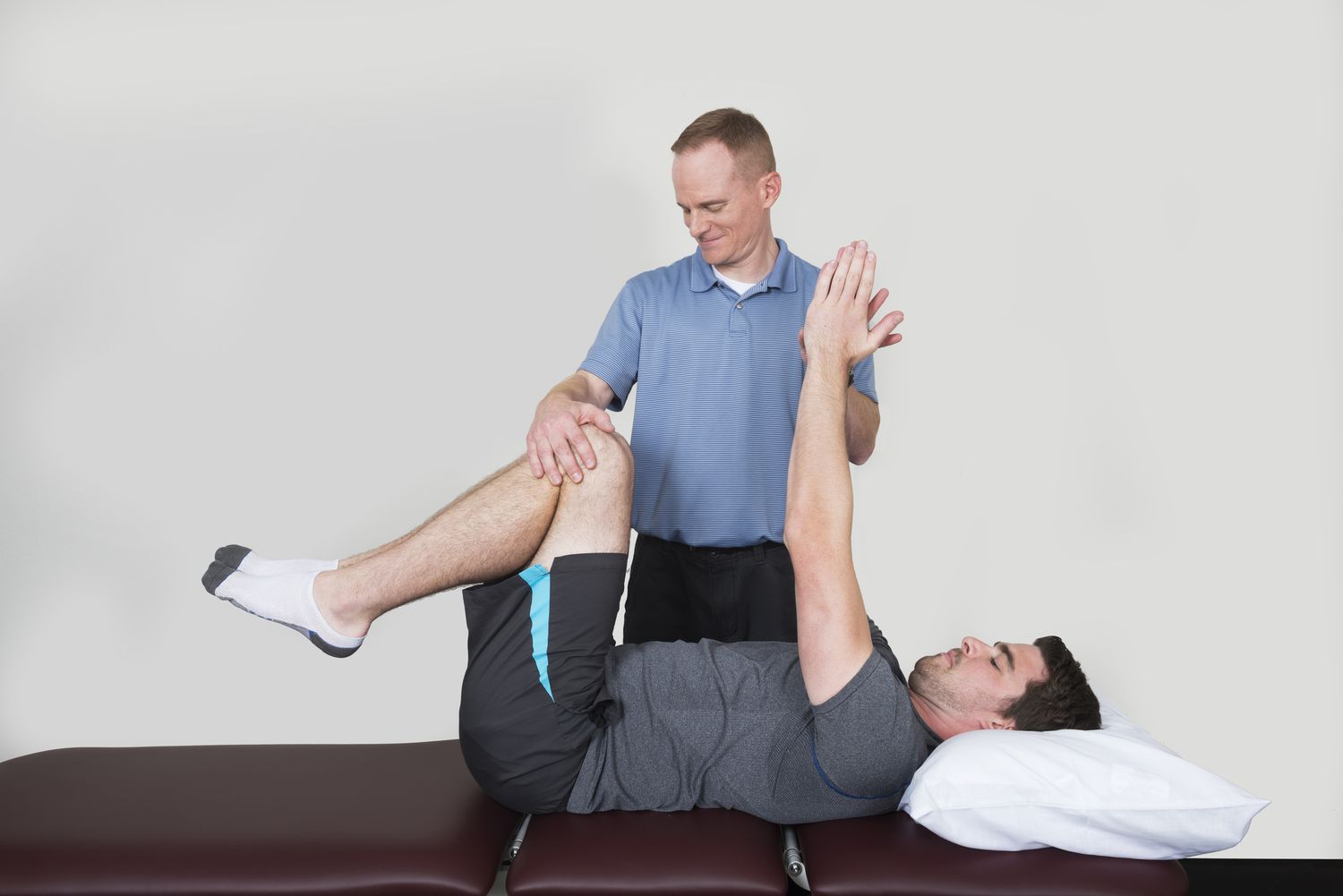
Conservative treatments for spinal stenosis focus on managing symptoms, improving mobility, and supporting daily activities. Nonsteroidal anti-inflammatory drugs (NSAIDs) help reduce pain and inflammation, while physical therapy addresses muscle strength and flexibility. Because symptoms vary between patients, providers recommend treatments based on examination findings and individual medical needs.
Additional treatment options may include epidural steroid injections to address inflammation around affected spinal nerves. Radiofrequency ablation helps manage certain sources of spinal pain, although it does not directly relieve spinal canal narrowing. Cervical traction or chiropractic care may be discussed in selected cases, depending on the affected spinal region and patient circumstances.
Conservative treatments do not reverse structural spinal narrowing, but they help patients manage discomfort and maintain physical function. Providers monitor symptoms and treatment responses to determine whether adjustments or additional evaluations are appropriate. When symptoms persist, or neurological function worsens, further treatment options may be discussed.
Schedule a Spinal Stenosis Consultation
Spinal stenosis may compress nerve roots in the lower back, causing pain, numbness, or weakness that extends into the legs. Because these symptoms overlap with sciatica, a medical evaluation helps identify the underlying cause and affected spinal structures. Treatment options may include physical therapy, medications, injections, or surgical procedures, depending on symptom severity and examination findings. Schedule a spinal stenosis evaluation today to discuss your symptoms and explore appropriate treatment options.
