


Your first visit with a breast surgeon will introduce you to a structured process that focuses on examining your health, and this information can be used to outline possible next steps. The appointment usually follows a clear sequence. When you know what to expect before you arrive, you may use the visit to address your main concerns.
Who Should Seek Care?
Breast surgery addresses a range of medical and structural issues that affect breast tissue. A breast surgeon evaluates your situation and explains which general approach aligns with your needs; the visit can center on matching your health status with potential options. People may see a breast surgeon after imaging tests show a lump or other change in breast tissue, helping to clarify what those findings mean.
What Is Breast Surgery?
Breast surgery falls into several main groups, and your breast surgeon may explain the general differences between them. One group focuses on removing tissue for diagnostic purposes, while another group removes tissue as a form of treatment. Each category involves its own techniques, healing timelines, and follow-up needs.
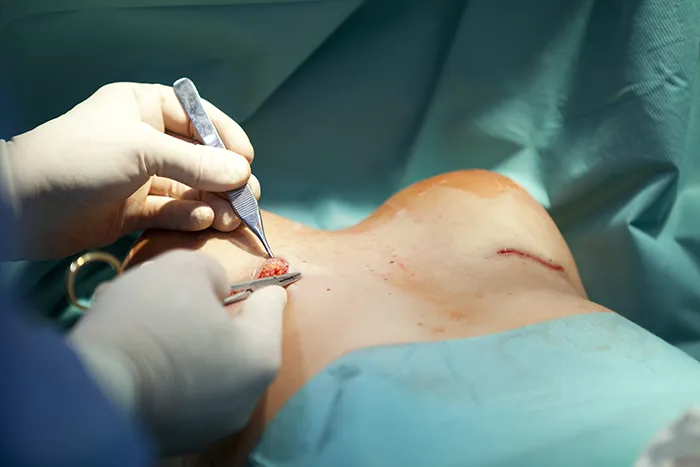
Procedures that remove tissue often include biopsies and partial or complete removal of breast tissue. A biopsy removes a small sample, while larger operations remove more tissue from a defined area. These surgeries aim to give your care team more information or address tissue that needs treatment, and the surgeon can explain how much tissue is typically involved for each option.
What Should You Expect?
A first appointment with a breast surgeon may begin with a conversation about your health history and current breast concerns. The surgeon or a team member can ask about previous illnesses, surgeries, medications, and family history; they also ask when you first noticed changes in your breasts. This discussion builds an understanding of your overall health, helping to guide the rest of the visit. After the initial conversation, the surgeon may perform a physical examination of your breasts and nearby areas. They assess skin changes, lumps, and any areas you identify as tender. They can compare both sides for differences in size or shape.
Imaging and test review may form the next step in the appointment. If you bring previous mammograms, ultrasounds, or reports, the surgeon can review them, and they are able to relate the findings to the physical exam. When recent imaging is not available, they may recommend future tests. This part of the visit links your symptoms with objective information from scans and laboratory work.
The surgeon can then outline general surgical and non-surgical paths that apply to your case. They are able to describe the basic steps of any proposed operation, and they may inform you of the expected sequence of recovery. Questions and next steps can close out the appointment, allowing you to ask about activity restrictions and how follow-up visits typically work.
Consult a Breast Surgeon
Meeting with a breast surgeon gives you a structured setting to review breast changes, imaging findings, and possible treatment paths. The visit contextualizes your medical history, physical exam, and test results, and this information helps guide later decisions. When you understand what care involves, you may move through each stage of treatment with more clarity.
