


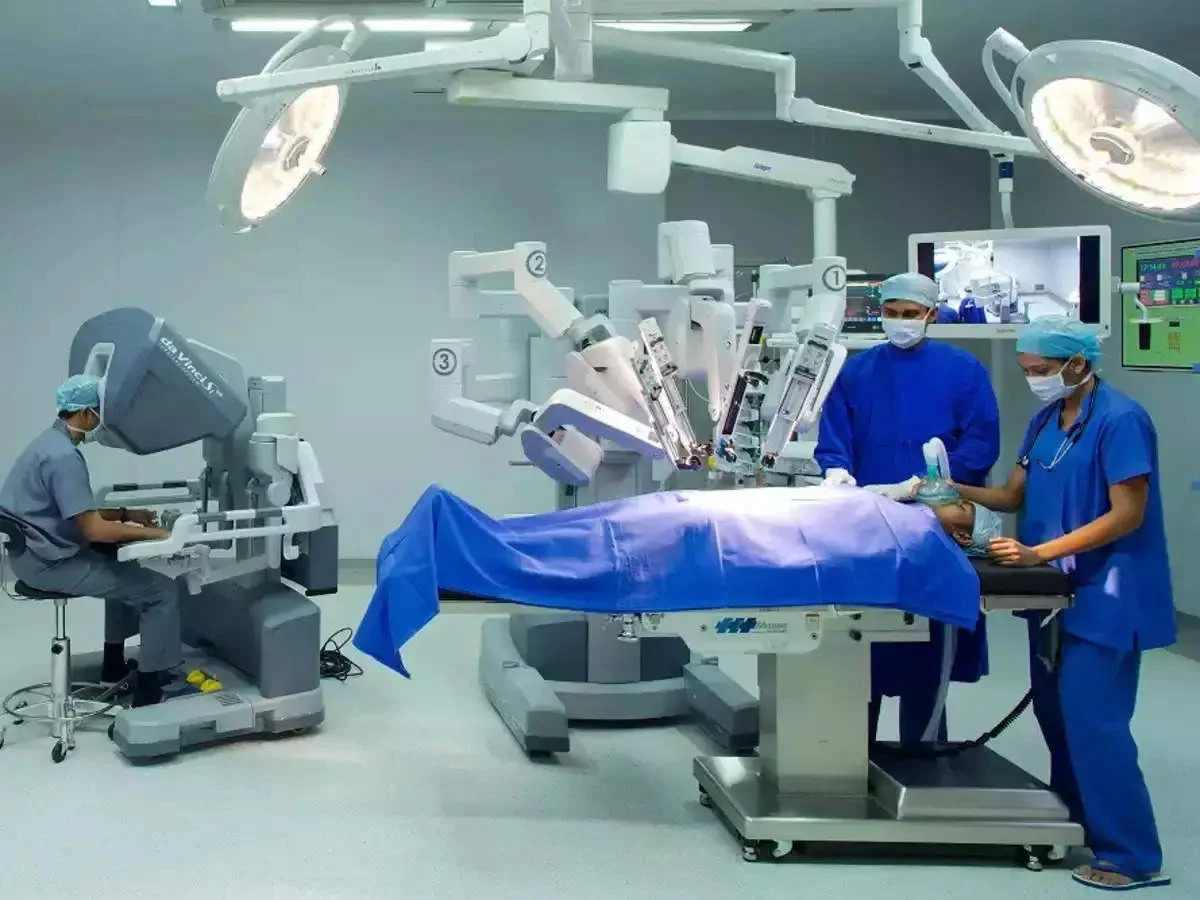
Minimally invasive surgery uses small incisions, slender instruments, and a camera to reach internal structures of the body. Instead of a long incision and wide exposure, the surgeon works through a few keyhole-sized entry points while watching detailed images on a monitor. This approach involves less disruption to surrounding tissue than open surgery, which may support shorter hospital stays, less scarring, and reduced postoperative discomfort. Robotic surgery fits within this minimally invasive landscape by giving surgeons another tool for precise surgical intervention. These systems are especially helpful when anatomy is tight, angles are awkward, or the procedure demands steady, precise motion. Here’s information on the role of robotics in enhancing surgical precision and safety for many operations:
How Robotic Systems Work
Robotic surgery uses a computer-assisted platform that links the surgeon’s hands to small instruments placed inside the body. The surgeon sits at a console, views a magnified, three-dimensional image of the surgical field, and directs the robotic arms with hand controls and foot pedals. The system filters natural hand tremor and scales movements, so a broad gesture at the console becomes a tiny motion at the instrument’s tip. Wristed instruments move beyond the range of the human wrist, enabling access to hard-to-reach areas while providing a stable view. This robotic platform responds in real time to the surgeon’s decisions, allowing nuanced dissection, suturing, and tissue handling during complex procedures.
What Conditions Robotic-assisted Techniques Benefit
Robotic-assisted techniques are used in a range of procedures where detailed work in confined spaces is helpful. Surgeons use these systems in many abdominal and pelvic operations, including some colorectal and urologic surgeries that involve delicate structures and layered tissue planes. Certain thoracic procedures and hernia repairs also use this technology, especially when visualization is a priority. Some key internal structures that can be visualized with robotic surgery systems include:
- Nerves
- Blood Vessels
- Organs
In many of these settings, robotic platforms support minimally invasive access for operations that once required large open incisions.
How Robotic-assisted Techniques Benefit Recovery
During robotic surgery, enhanced visualization and refined instrument control support careful tissue handling. The camera offers a high-definition, often three-dimensional view, helping surgeons identify small structures and plan steps with greater depth awareness. Smaller incisions, focused dissection, and a stable field may reduce disruption to surrounding areas. While every recovery is individual, this approach often gives people shorter hospital stays and less postoperative discomfort than open surgery.
Recovery also involves what happens before and after the operation, not just time in the operating room. Detailed preoperative planning with imaging and digital tools helps the surgical team map out port placement, instrument paths, and anatomical factors in advance. After this type of surgery, smaller incisions and focused internal work may support earlier mobilization and a gradual return to daily activities.
Learn More About Robotic Surgery
If you need surgery, asking whether a robotic-assisted approach is appropriate helps you understand your options. The appropriate surgical technique depends on your diagnosis, overall health, prior surgeries, and personal goals, which a surgeon can determine. During a consultation, you can review what to expect before and after surgery and how robotics fits into the plan. Schedule a visit with a surgeon experienced in robotic surgery to discuss your condition and explore all of your options.
