


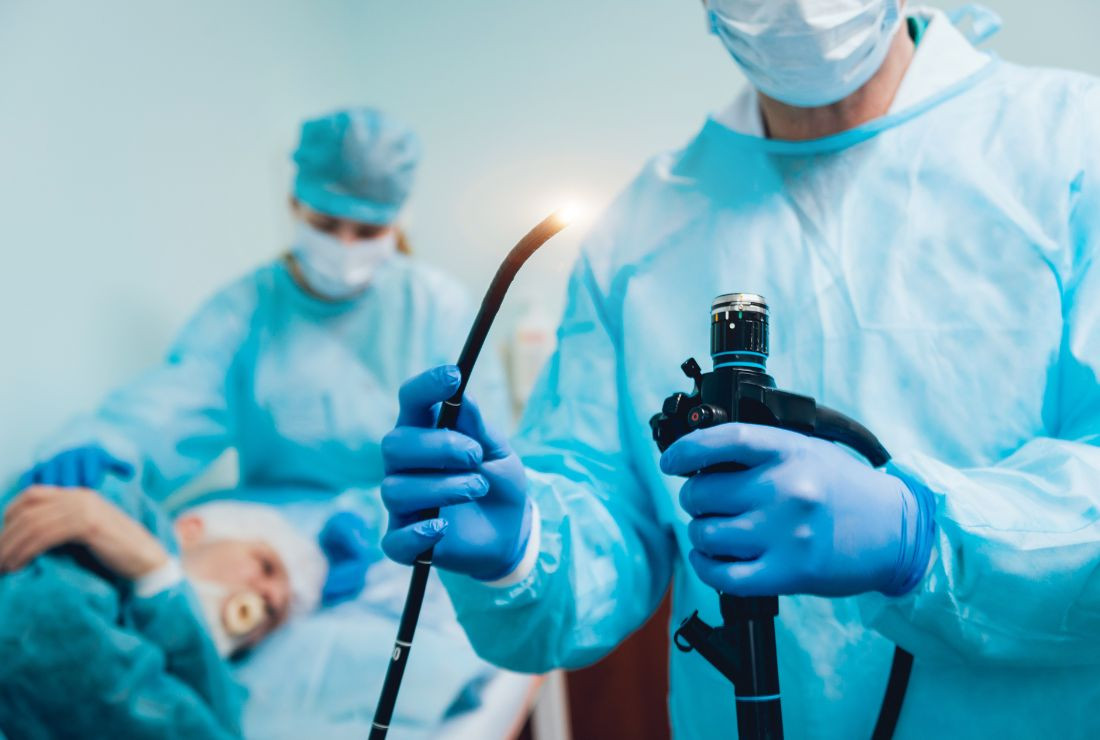
Early diagnosis often depends on seeing inside the body before symptoms become advanced, and endoscopy plays a key role in that process. Using a thin, flexible tube with a light and camera, physicians view the lining of organs such as the esophagus, stomach, and colon. The procedure also allows tissue sampling, so microscopic changes are identified even when imaging studies appear normal. When specialists detect suspicious areas early, they can design treatment plans around smaller, more localized findings rather than advanced disease. Here’s more information about endoscopy procedures and how they support diagnosis:
Understanding Endoscopic Imaging
Endoscopic imaging uses direct visualization to assess the surface of internal organs; it provides detail that external scans might miss. The camera transmits real-time images to a monitor, allowing the physician to track irregular surfaces or small growths. Because the scope passes close to the tissue, small lesions may be visible before they interfere with function or cause persistent symptoms. This combination of proximity, lighting, and magnification supports earlier recognition of structural changes. Common types include colonoscopy and laparoscopy.
Detecting Early Digestive Disease
Endoscopy supports early diagnosis in the digestive tract by revealing inflammation, ulcers, and growths while they remain small and localized. When changes are found at this stage, physicians can remove and test tissue and adjust treatment plans before issues progress. Benefits of endoscopy include:
- Visualizing subtle lesions: Direct viewing can highlight flat or pale lesions that blend with surrounding tissue on other imaging studies.
- Sampling suspicious tissue: Biopsies taken through the scope allow pathologists to examine cells and identify early abnormal patterns.
- Removing small polyps: Polypectomy during the same procedure addresses certain growths immediately and reduces the need for extra visits.
- Assessing treatment response: Follow-up procedures show how tissue reacts to therapy, so plans are adjusted based on current findings.
- Guiding surveillance schedules: Results help set intervals for future examinations based on individual risk and prior findings.
Supporting Preventive Patient Care
When symptoms such as difficulty swallowing, persistent acid reflux, or bowel changes occur, endoscopy helps specialists examine the digestive tract. Physicians review the findings closely, and they determine whether medication or continued monitoring is necessary. Because images are available during the procedure, specialists can discuss initial findings and recommend additional procedures when needed.
Gastroenterologists use endoscopy as part of a diagnostic process that includes reviewing medical history, performing physical examinations, and evaluating laboratory results. During appointments, specialists review previous medical records and determine which tests are appropriate for each patient. When endoscopy is recommended, it can help identify the cause of symptoms. The procedure screens for certain conditions based on individual risk factors, and it monitors previously diagnosed diseases.
Ask Your Doctor About Endoscopy
Once endoscopy identifies a finding, the results guide decisions about diagnosis and monitoring. If tissue samples show benign changes, the physician recommends monitoring intervals and symptom checks. This approach helps prevent unnecessary procedures. If abnormal cells are present, the healthcare team arranges further testing or treatment based on their location and extent. Images and biopsy results remain in the medical record, and future examinations can compare new findings with earlier results. This comparison helps detect disease progression or recurrence. Ask your doctor whether endoscopy is appropriate for your symptoms.
