


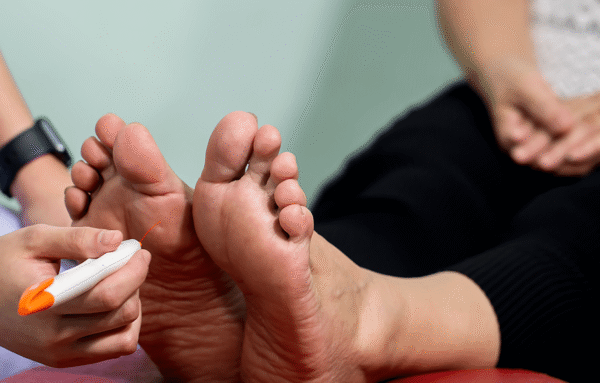
Neuropathy involves damage or dysfunction in nerves, which send signals between the brain, spinal cord, and the rest of the body. The condition typically affects the hands and feet first, and symptoms tend to progress slowly. Some people notice changes in sensation, while others develop burning pain or muscle weakness. Here is more information on the symptoms and causes of this condition:
Persistent Pain
Ongoing pain in the extremities is a major sign of neuropathy, and it typically starts in the toes or fingertips. The discomfort may feel sharp or stabbing and sometimes becomes a constant burning sensation. When nerves misfire, they send pain signals even when there is no clear injury, and this pattern gradually wears on normal routines.
Some people experience pain that flares at night. Daily activities may feel different when pain appears with simple movements, and this shift can change how you walk or stand. Since the discomfort is linked to nerve damage, the symptoms typically do not match the size of any visible injury. Nerve pain varies from day to day, yet it tends to follow a slow upward trend without treatment.
Gradual Numbness and Tingling
Numbness and tingling can develop slowly, and they typically appear in a “stocking and glove” pattern. The sensations might start as a mild pins-and-needles feeling. They then spread from the toes or fingers toward the center of the limb. When feeling fades, it becomes harder to sense temperature or small injuries, and this loss of feedback affects balance and coordination. This may involve:
- Persistent tingling that lingers after changing position
- Mild sensation of wearing socks or gloves when the skin is bare
- Reduced ability to feel heat, cold, or sharp objects
- Hard time telling where the feet are without looking
- Clumsy ability to hold buttons, zippers, or small objects
Main Causes
Several underlying medical conditions can cause nerve damage, and diabetes is a common cause. High blood sugar over time damages the small blood vessels that supply nerves, disrupting normal signaling. Autoimmune disorders, infections, and some inherited conditions also damage peripheral nerves. Since different diseases share similar nerve symptoms, a structured medical evaluation helps sort out the true cause.
Nutritional deficiencies play a role as well, and they sometimes develop quietly. Digestive disorders, restrictive diets, and long-term alcohol use raise the risk for deficits, and the changes build over months or years. Blood work helps identify these gaps, and targeted nutrition support may reduce further nerve injury.
Medications, toxins, and mechanical pressure on nerves also contribute to neuropathy, and the impact varies widely. Some chemotherapy drugs affect sensory nerves first, and the symptoms typically begin with tingling in the feet. Repetitive motions, joint problems, or spinal changes compress nerves, and this pressure limits normal function. When doctors identify the underlying driver, they tailor treatment to protect remaining nerve function and manage current symptoms.
Get Treated for Neuropathy
Early assessment helps slow nerve damage, and it also guides a focused treatment plan. A pain specialist reviews your symptoms, checks strength and reflexes, and orders tests to look for underlying disease. Treatment blends medication, physical therapy, and lifestyle changes to support nerve health and reduce flare-ups. Targeted pain management strategies help many patients manage chronic nerve-related pain more effectively.
