


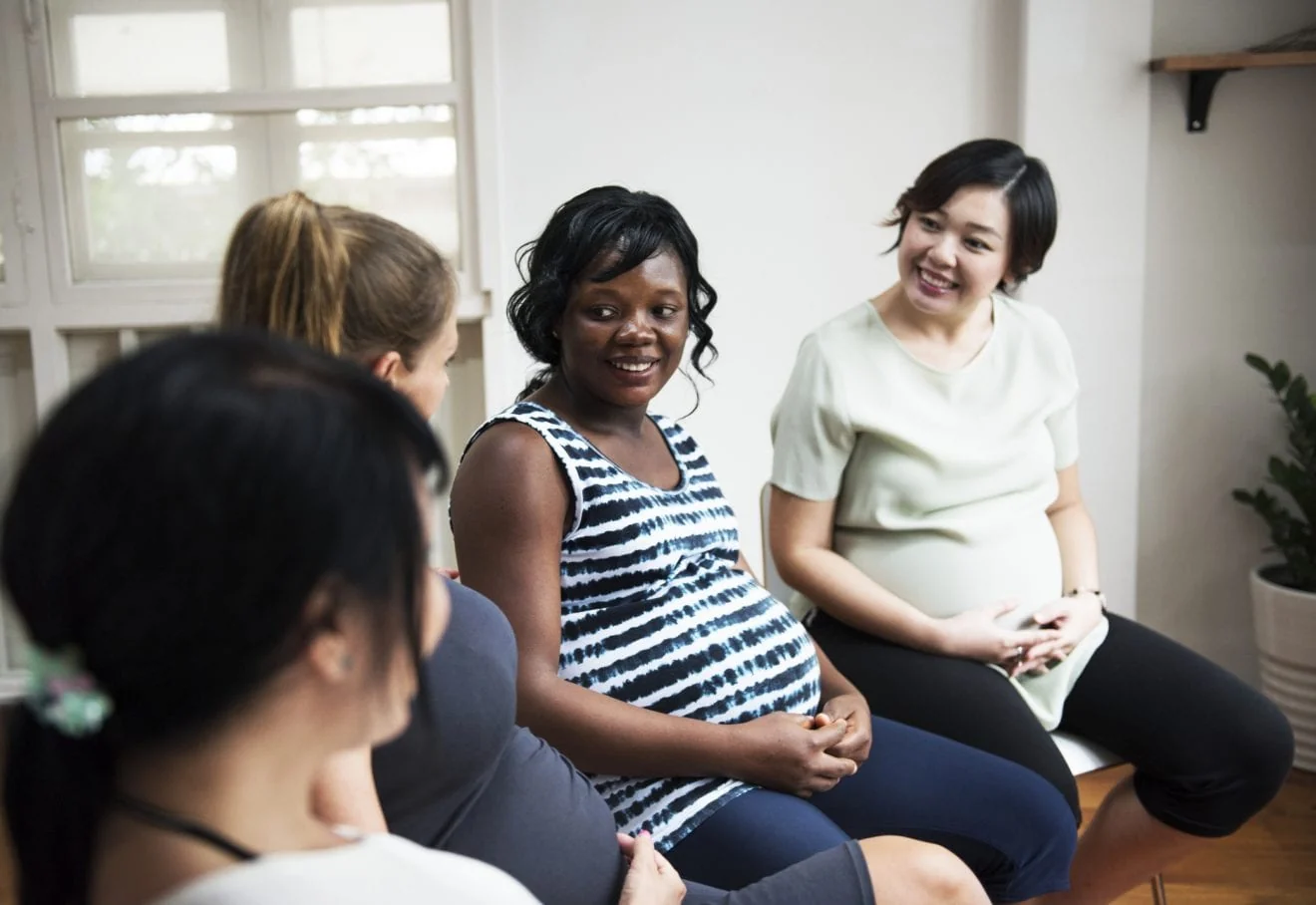
Planning for pregnancy often raises questions about classes, education, and where to find reliable guidance. Many parents look for structured support, while others prefer flexible online tools. It helps to know how each type of resource works, so choose resources that match your goals.
Specialized Classes for Pregnancy
Beyond standard childbirth education, focused classes give more detailed support around specific pregnancy topics like newborn care or feeding. These programs often appeal to parents who already understand the basics, and they want deeper instruction in one area. Families will find options offered through hospitals, private practices, and independent educators.
- Breastfeeding or chestfeeding classes that review latch and common early challenges.
- Newborn care sessions that cover diapering, bathing, soothing, and safe sleep practices.
- Partners-only workshops that explain support roles during labor and early weeks at home.
- Postpartum planning courses that focus on rest, household logistics, and follow-up medical visits.
Online Tools and Community Resources
Online resources give parents flexible access to education when schedules or transportation make in-person classes less practical. Many hospital systems and professional groups host recorded webinars, live virtual classes, and downloadable checklists. These tools help you review topics like birth plans or postpartum warning signs at your own pace, and they also let partners join from different locations. Neighborhood parenting groups, library programs, and faith-based organizations often host Q&A nights or small discussion circles. Some families prefer this format because the sessions feel more conversational, and the same people tend to return each week. Many groups use a hybrid approach, meeting in person while also maintaining a private online forum. This mix allows participants to ask quick questions between sessions, and they can share recommendations for local services.
Central OB/GYN Resources
Your OB/GYN team remains the central medical resource, and classes work best when they support that ongoing relationship. During routine visits, you get information tailored to your health history, and general classes then fill in broader context. Many practices keep updated lists of local and virtual programs. They help match you with options that align with your needs. Some patients prefer to start with a basic childbirth course, and they then add breastfeeding or newborn care sessions later in the third trimester.
The practice you choose also influences how your questions get answered between appointments, which matters as your due date approaches. Combine that kind of clinical support with structured classes and community resources, so you can build a more complete framework for decision-making. This approach applies whether you are in your first pregnancy or subsequent.
Find Classes and Ask Questions
If you are expecting, start by asking your OB/GYN about recommended classes and trusted online resources. Review a few course outlines, compare schedules, and pick one or two that match your stage of pregnancy, so your plan is personalized. Use what you learn in class to shape questions for your next visit. Share those questions with your care team. Reach out to a local provider to discuss which educational options align with your medical care plan and personal preferences.
