


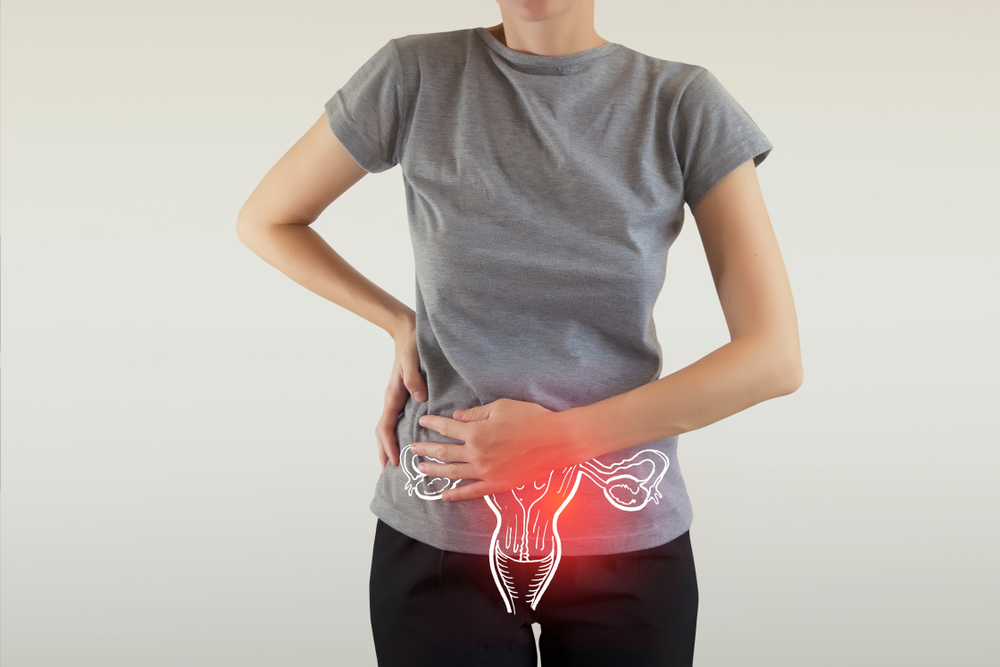
Gynecological health is an essential part of a woman’s overall well-being. While many women experience occasional changes in their reproductive health, some conditions require medical attention to prevent complications. Understanding the symptoms of common gynecological conditions can help women seek timely diagnosis and treatment, leading to better health outcomes.
Although some disorders may not cause noticeable symptoms in their early stages, regular gynecological checkups and awareness of warning signs play a vital role in maintaining reproductive health.
Why Gynecological Health Matters
The female reproductive system undergoes many changes throughout life, from puberty and pregnancy to menopause. Monitoring reproductive health helps identify conditions early and supports fertility, hormonal balance, and overall wellness.
Ignoring persistent symptoms may allow certain conditions to worsen over time, making treatment more complex.
1. Polycystic Ovary Syndrome (PCOS)
PCOS is a common hormonal disorder that affects women of reproductive age. It occurs when the ovaries produce higher-than-normal levels of certain hormones, which can interfere with ovulation.
Common Symptoms
- Irregular menstrual cycles
- Acne
- Excess facial or body hair
- Weight gain
- Difficulty becoming pregnant
Early diagnosis and lifestyle modifications can help manage symptoms and reduce the risk of long-term complications.
2. Endometriosis
Endometriosis occurs when tissue similar to the lining of the uterus grows outside the uterus. This condition can cause inflammation, pain, and fertility problems.
Common Symptoms
- Severe menstrual cramps
- Chronic pelvic pain
- Pain during intercourse
- Heavy menstrual bleeding
- Infertility
Treatment options may include medication, hormone therapy, or surgery, depending on the severity of the condition.
3. Uterine Fibroids
Fibroids are noncancerous growths that develop within or around the uterus. Many women have fibroids without experiencing symptoms.
When symptoms occur, they may include:
- Heavy periods
- Pelvic pressure
- Frequent urination
- Lower back pain
- Constipation
Treatment depends on the size of the fibroids, symptoms, and future pregnancy plans.
4. Ovarian Cysts
Ovarian cysts are fluid-filled sacs that develop on or inside the ovaries. Many cysts resolve naturally without treatment.
Possible symptoms include:
- Pelvic pain
- Bloating
- Abdominal discomfort
- Pain during intercourse
- Irregular periods
Large or ruptured cysts require prompt medical evaluation.
5. Vaginal Infections
Vaginal infections are common and may result from bacterial, fungal, or other causes.
Symptoms may include:
- Unusual vaginal discharge
- Itching
- Burning sensation
- Unpleasant odor
- Pain during urination
Proper diagnosis is important because treatment varies depending on the underlying cause.
6. Pelvic Inflammatory Disease (PID)
PID is an infection of the female reproductive organs that can occur when bacteria spread from the vagina to the uterus, fallopian tubes, or ovaries.
Common symptoms include:
- Lower abdominal pain
- Fever
- Abnormal vaginal discharge
- Pain during intercourse
- Irregular bleeding
Early treatment helps reduce the risk of infertility and other complications.
Warning Signs You Should Not Ignore
Consult a healthcare provider if you experience:
- Persistent pelvic pain
- Heavy or prolonged menstrual bleeding
- Bleeding after menopause
- Missed periods without pregnancy
- Severe menstrual cramps
- Unusual vaginal discharge
- Pain during intercourse
- Sudden abdominal pain
Prompt evaluation can help identify the underlying cause and begin appropriate treatment.
How to Maintain Good Gynecological Health
Healthy lifestyle habits support reproductive health and overall wellness.
Helpful practices include:
- Schedule regular gynecological checkups
- Eat a balanced diet
- Exercise regularly
- Maintain a healthy weight
- Practice safe sexual health
- Avoid smoking
- Manage stress
- Seek medical advice when symptoms appear
Preventive care is one of the best ways to protect long-term reproductive health.
Conclusion
Many gynecological conditions are common and highly treatable when detected early. Conditions such as PCOS, endometriosis, fibroids, ovarian cysts, vaginal infections, and pelvic inflammatory disease can often be managed successfully with timely medical care and appropriate treatment.
By recognizing the warning signs, maintaining healthy lifestyle habits, and attending regular gynecological checkups, women can take an active role in protecting their reproductive health and overall well-being. Early diagnosis remains the key to preventing complications and ensuring better health throughout every stage of life.
