


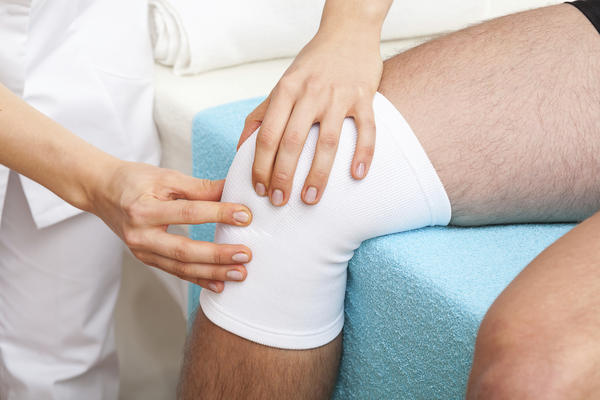
Recovery after knee replacement involves gradually rebuilding strength and allowing the surgical site to heal. Following your care team’s instructions and preparing for daily activities can help you manage this process. Here are some practical tips to support your knee replacement recovery:
Follow Your Aftercare Plan
Pain management helps you move safely after knee replacement, and movement can support circulation as tissues heal. Your care team explains what to take, when to take it, and how it fits with other treatments. Some people use prescription medications at first, and they gradually transition to over-the-counter options as pain decreases.
Use Ice and Elevation
Ice helps manage swelling after knee replacement, and swelling often peaks during the first days. Apply cold packs as directed, and place a cloth barrier between your skin and the pack. Elevating the ankle above heart level supports fluid return and can ease tightness around the joint.
Protect the Incision
Keeping the incision dry helps the skin seal, and sealed skin can block bacteria from entering into the tissues. Follow bathing instructions closely and avoid soaking the knee until your surgeon approves that step. Movements that pull on the incision may increase discomfort, and they also disrupt early healing. Use assistive devices as directed, and avoid kneeling on the new joint until cleared.
Build Strength and Mobility
Physical therapy teaches you how to move the new joint after a knee replacement; guided movement supports muscle strength around the knee. Early exercises often focus on bending, straightening, and gentle muscle activation to prevent stiffness. As healing progresses, your therapist adds standing and walking drills that challenge balance and coordination. Regular attendance keeps progress steady and helps identify problems quickly.
Home exercises extend the work from each therapy session. Set aside specific times daily for your routine, and pair exercises with existing habits like meals. Mild soreness after activity is common, and sharp or worsening pain deserves a call to your provider.
Adapt the Home and Activities
Preparing your home before surgery can make early recovery safer, and a safe space reduces strain on the new knee. Clear walkways, remove loose rugs, and rearrange frequently used items to waist height. Some people start with a walker or cane, and wider pathways may prevent bumping into furniture. Good lighting along hallways and bathrooms helps you move during nighttime trips. Daily activities need adjustment as strength and balance return; pacing yourself lowers the risk of setbacks. Break tasks like cooking or laundry into smaller steps, and take brief rests between them.
Attend Follow-Ups and Report Concerns
Follow-up visits allow your surgeon to review healing and guide changes to activity and therapy. Monitoring your knee at home between appointments provides useful information, and reporting problems early can limit complications. Here are ways to support recovery:
- Keep all scheduled appointments: These visits let your surgeon assess incision healing, joint motion, and overall progress.
- Report new or worsening pain: Sudden pain spikes, pain at rest, or pain that interrupts sleep repeatedly deserve medical attention.
- Watch for signs of infection: Redness spreading around the incision, drainage with odor, or a new fever needs prompt evaluation.
- Note changes in swelling or warmth: A calf that becomes firm, very warm, or visibly larger than the other leg requires urgent evaluation.
- Mention mechanical symptoms: Clicking, locking, or a feeling that the knee gives way during walking should be discussed at follow-up.
Schedule Your Knee Replacement Appointment
Recovery habits can support long-term results after knee replacement, and gradual progress often follows clear routines. Pain control, wound care, physical therapy, and home adjustments work together. If knee pain limits your daily life, talk with an orthopedic specialist about evaluation and treatment options. Contact a qualified orthopedic specialist near you to schedule your knee replacement appointment today.
