


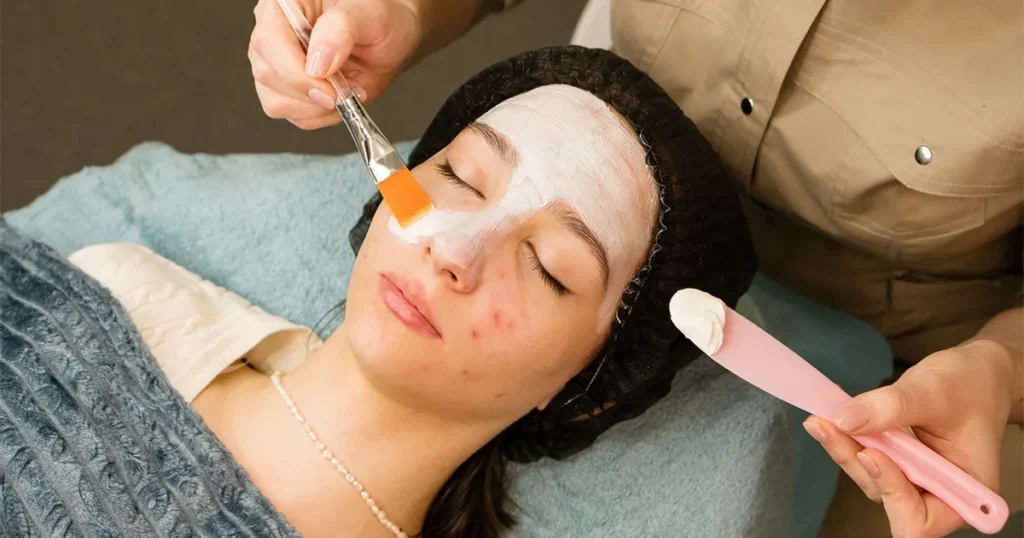
When breakouts persist, over-the-counter washes may not offer enough support. Acne treatment has changed a great deal over the past decade. Providers now combine in-office procedures with topical and oral medications, and many plans target several causes at once. Here are some of the main options in plain terms:
Antibiotics
Antibiotics reduce acne-causing bacteria and calm inflammation. Topical options like clindamycin suit mild cases, while oral forms treat moderate acne. Doctors limit treatment length, and many oral courses last several months. Some dermatologists may avoid antibiotics as a standalone acne treatment.
Bacteria may grow resistant over time, so providers typically pair antibiotics with benzoyl peroxide. Sarecycline is a newer oral antibiotic designed for acne. Since it targets a narrower range of bacteria, it may cause fewer stomach side effects. Share your full medication list with your provider.
Benzoyl Peroxide
While benzoyl peroxide has existed for decades, newer formulas have changed how it feels on skin. It kills bacteria and clears clogged pores. Bacteria do not develop resistance to it, and that makes it a common partner for antibiotics. Recent product updates include:
- Microencapsulated formulas that release the ingredient slowly
- Lower strengths that often irritate less than stronger formulas
- Shorter contact washes that rinse off after one to two minutes
Benzoyl peroxide may bleach fabric, so use white towels and pillowcases. Start with a few applications a week if your skin feels dry or tight. Apply a light, oil-free moisturizer afterward.
Laser Therapy and Microneedling
Laser therapy uses focused light to target acne at its source. Blue light treats acne-causing bacteria on the skin, and some lasers heat oil glands to reduce oil output. Since these devices work below the surface, they leave the top layer of skin mostly intact.
Microneedling creates tiny channels in the skin, and the body responds by producing new collagen. Providers use it after active breakouts clear, since it mainly addresses acne scars. Some clinics pair microneedling with radiofrequency energy for deeper treatment.
If you have active, inflamed acne, your provider may delay microneedling until the skin calms. Most people need several sessions, and visits typically fall several weeks apart. Mild redness and swelling typically fade within a few days. Plan for daily sunscreen during your treatment series.
Hormone Medications
Hormones may affect adult acne along the jaw and chin. Since changes build slowly, most patients wait about three months to judge progress. Hormone medications lower this activity, and providers mainly prescribe them for women. Typical options include:
- Pills that block androgen effects
- Birth control pills approved for acne
- Topicals with an androgen blocker
This treatment requires periodic checkups, and it is not safe during pregnancy. Your doctor will review your health history first before choosing a treatment path.
Schedule Acne Treatment Today
Each option targets a different cause of acne, and many plans combine two or more. A consultation gives your provider a full view of your skin. If you notice scarring or frequent breakouts, book an evaluation with a licensed professional. Ask a medical team at a dermatology clinic about flexible appointment times.
