


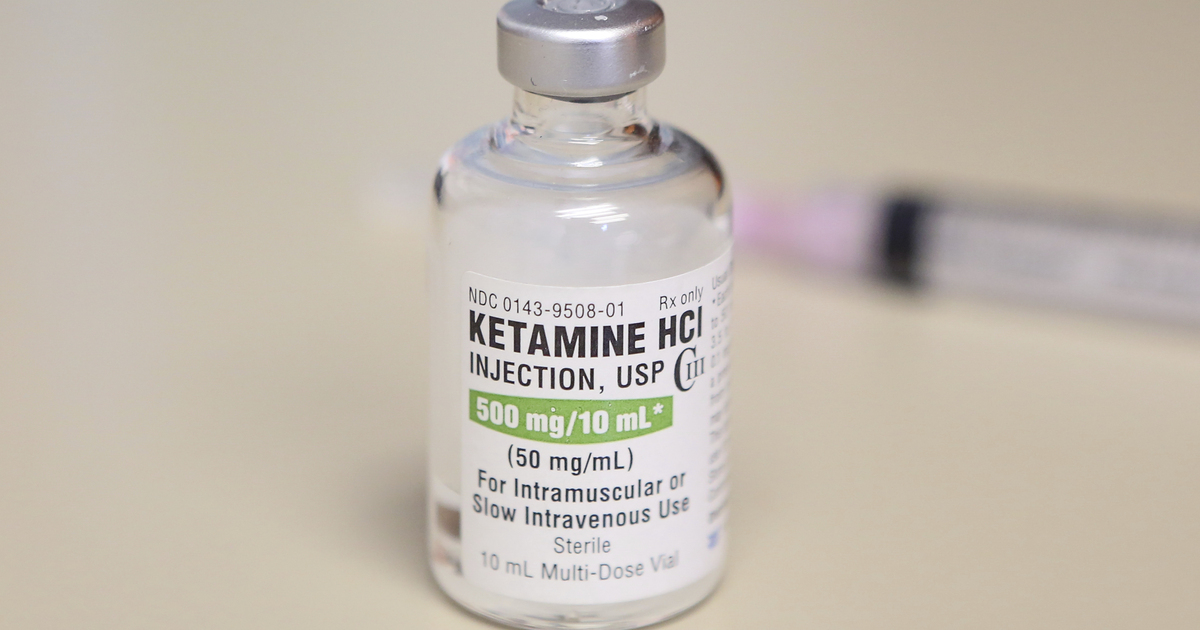
Ketamine therapy is a clinically administered treatment that uses low doses of ketamine to address conditions like depression and anxiety. It targets glutamate receptors in the brain, and this mechanism promotes neural connectivity. While traditional antidepressants can take weeks to produce results, ketamine may show effects more quickly, making it a valuable alternative. Here is more information on this therapy, the science behind it, who it helps, and its benefits:
What Is Ketamine Therapy?
Ketamine therapy involves the administration of low, controlled doses of ketamine in a clinical setting under medical supervision. Treatment is delivered through intravenous (IV) infusion or nasal spray, and each method has a specific onset time and dosage protocol that is tailored to the patient’s condition and medical history. Delivery method selection depends on clinical judgment. The FDA has approved esketamine (Spravato), a nasal spray form of ketamine, for treatment-resistant depression and major depressive disorder with suicidal ideation. When sessions are conducted in controlled environments, patients remain under continuous monitoring throughout the process, which enables providers to assess their condition.
How Does It Work?
Ketamine operates by blocking NMDA receptors, which are a type of glutamate receptor in the brain. Glutamate is the brain’s primary excitatory neurotransmitter. By modulating glutamate activity, ketamine triggers a cascade of neurological changes, and this may lead to increased production of brain-derived neurotrophic factor (BDNF), a protein that supports the growth and maintenance of neurons.
One potential outcome of this mechanism is the rapid formation of new synaptic connections; patients with depression may show reduced synaptic density in this region. Ketamine helps restore these connections relatively quickly. Because synaptic density plays a central role in mood regulation, this restoration is a key factor in ketamine’s antidepressant effects.
Who Does It Help?
Ketamine therapy is primarily indicated for individuals with treatment-resistant depression, which is defined as depression that has not responded to at least two different antidepressant treatments. It also helps individuals with anxiety. Before beginning treatment, a mental health professional evaluates each patient to determine suitability, and this step makes sure the therapy is appropriately matched to the individual’s clinical profile.
What Are the Benefits?
One benefit is the speed of symptom relief. Traditional antidepressants typically require a few weeks before noticeable effects emerge; ketamine can produce measurable improvements within hours to days. When patients are experiencing acute depressive episodes or suicidal ideation, the rapid onset of this treatment becomes beneficial.
Additional benefits include:
- Neuroplasticity enhancement: Ketamine promotes the regrowth of neural pathways that may have deteriorated due to depression.
- Reduced suicidal ideation: This therapy helps reduce suicidal thoughts in affected individuals.
- Broad-spectrum efficacy: Ketamine may be effective for a range of conditions, including depression and anxiety.
Consult a Professional Today
Ketamine therapy represents a valuable option for patients managing treatment-resistant depression, anxiety, and related conditions. Its unique mechanism of action, rapid onset, and efficacy distinguish it from traditional psychiatric treatments; consulting a mental health professional helps determine if this treatment is suitable for each situation. If you are experiencing a mental health disorder, schedule a consultation with a psychiatrist today.
