


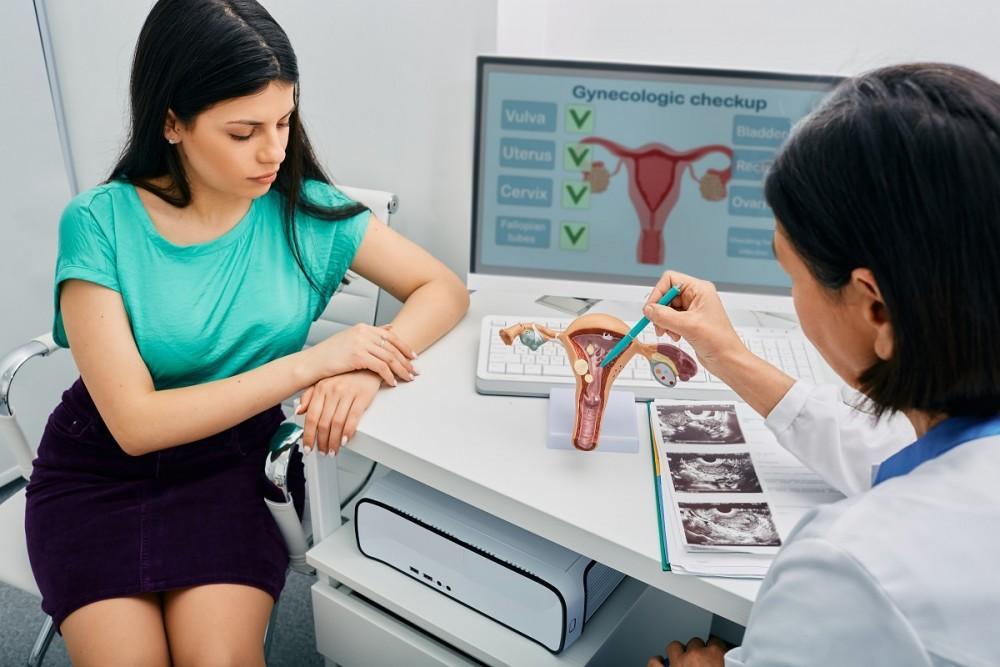
Menstrual disorders are conditions that disrupt the normal timing, flow, length, or associated symptoms of a menstrual cycle. Gynecologists specialize in the female reproductive system, and they follow a structured, step-by-step process to evaluate these concerns. Symptoms may include heavy bleeding, irregular or absent periods, spotting between cycles, and pelvic pain during menstruation. Here are some ways gynecologists help address menstrual disorders:
Gathering Your Health History
An evaluation typically starts with a detailed conversation with your gynecologist. Your provider may ask when your periods began, how long each cycle lasts, how many days bleeding continues, and whether your pattern has changed. They also review your current medications and family health history; these details influence which exams and tests to explore. Prepared records can make this conversation more productive. A tracking app or paper calendar works well and gives your provider a clearer picture. Before your appointment, gather the following:
- The start and end dates of your last three to six periods
- The number of pads or tampons you use on your heaviest days
- Any spotting or bleeding that occurs between periods
- A list of current medications, supplements, and birth control methods
Completing Exams and Testing
After reviewing your history, your gynecologist may perform a physical exam. A pelvic exam allows the provider to check the following:
- Vulva
- Vagina
- Cervix
- Uterus
- Ovaries
If you’re due for cervical cancer screening, your provider may collect that sample during the same visit; this keeps your care efficient. Lab work adds detail that a physical exam alone does not provide. Your gynecologist may order blood tests to evaluate hormone levels, thyroid function, iron levels, or blood counts. A pregnancy test is standard in many evaluations, particularly for missed periods.
Imaging lets your gynecologist evaluate your reproductive organs and identify potential abnormalities. A pelvic ultrasound is sometimes a first step; it uses sound waves rather than radiation to produce images of the uterus and ovaries. When additional evaluation is needed, your provider may recommend a hysteroscopy. This procedure uses a thin, lighted camera to examine the inside of the uterus. An endometrial biopsy is another diagnostic procedure your provider may use; it collects a small tissue sample from the uterine lining for laboratory analysis. These exams and tests help identify conditions such as uterine fibroids, endometrial polyps, and uterine lining abnormalities. Ultrasound may also reveal signs of endometriosis, although additional evaluation is sometimes necessary to diagnose the condition.
Reviewing Next Steps
Once results are available, your gynecologist presents the findings and outlines the applicable management options. These may include lifestyle adjustments, medications, hormonal methods, or procedures. Your future plans are a key part of this discussion. If you intend to become pregnant, share that goal with your provider; this can affect which options they review with you.
Some situations benefit from specialist input. Your gynecologist may refer you to an endocrinologist for hormone or thyroid concerns, a hematologist for bleeding disorders, or a reproductive endocrinologist for fertility planning. A referral keeps your care well-coordinated, while your gynecologist remains your primary contact for reproductive health. Between appointments, continue tracking your cycle dates and symptoms, and contact the office if bleeding becomes more significant or pelvic pain develops.
Meet With a Qualified Gynecologist
Gynecologists address menstrual disorders using a health history review, physical exam, lab testing, and imaging; they can also discuss management options and referrals. Tracking your cycle in advance and preparing questions ahead of each visit helps you stay organized and informed. If you’ve noticed changes in your menstrual cycle, schedule an appointment with a gynecologist to start the evaluation process.
