


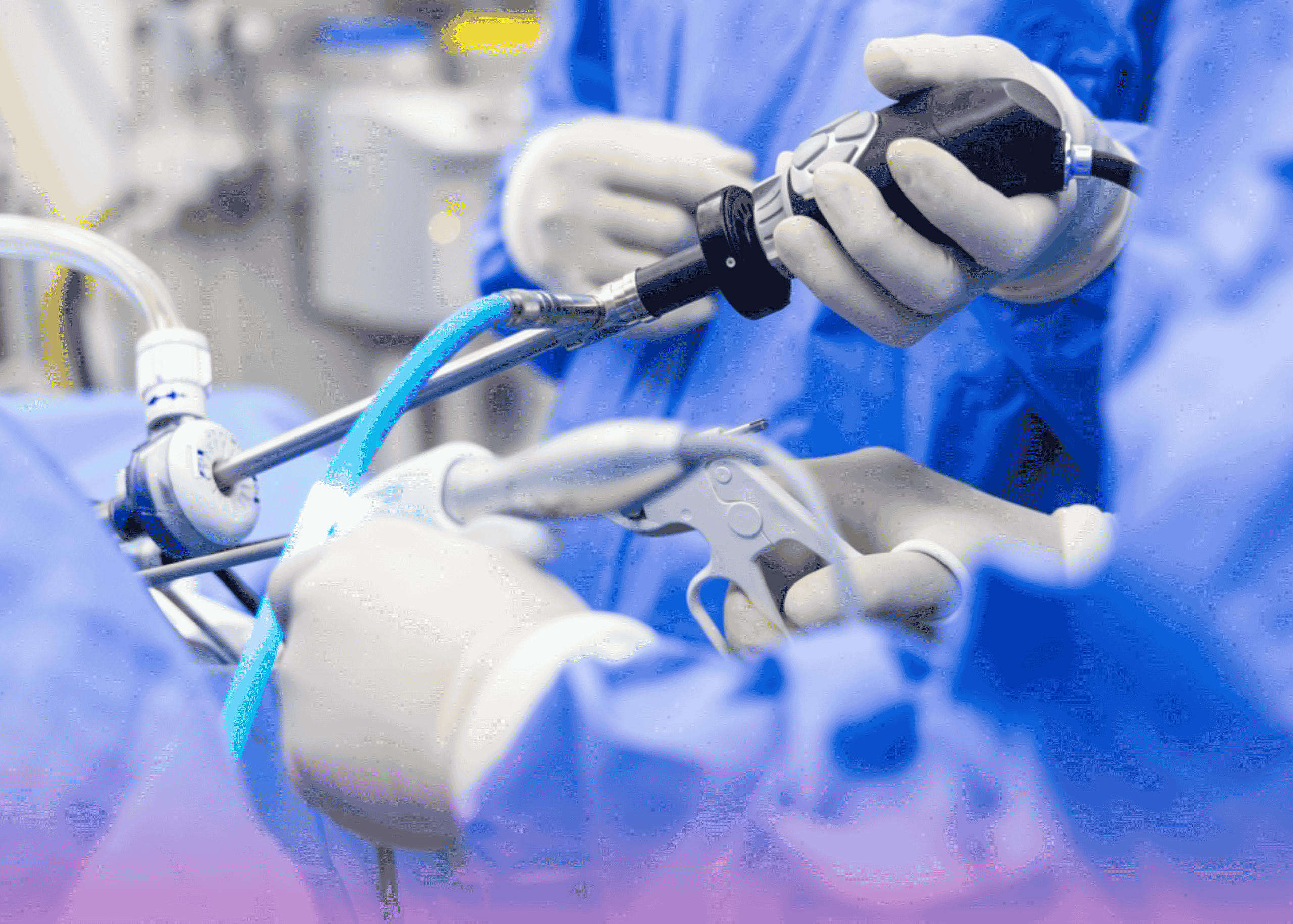
Minimally invasive surgeons perform procedures through small incisions using specialized instruments, cameras, and robotic systems. They do this to treat conditions with minimal tissue disruption. You may need one when a condition affects your abdomen, joints, heart, or other areas that once required open procedures. Beyond the operating room, these surgeons have a central role in guiding patients through recovery by monitoring their progress through follow-up appointments. Here’s information on minimally invasive surgeons and how they support patient recovery plans:
Quicker Recoveries
One reason minimally invasive surgical approaches support faster recovery is that they cause less trauma to muscle and other tissues. Minimally invasive surgeons rely on key techniques, such as laparoscopy and small-incision access, to reach the treatment area with precision. When a procedure calls for greater accuracy in tight spaces, surgeons may use robotic surgery systems to extend their capabilities.
Robotic systems support surgeons by translating hand movements into smaller, more controlled motions at the surgical site. The instruments can rotate and bend beyond the range of the human wrist, and high-definition 3D cameras give surgeons a magnified view of the area. This combination allows for steady, refined movements during delicate steps. The surgeon remains in full control at all times, directing every action from a console positioned nearby.
Because incisions are smaller and tissue disruption is limited, many patients spend less time in the hospital and return to daily activities sooner. Surgeons oversee this stage by tracking vital signs, reviewing mobility, and setting clear milestones for each patient to reach. Some common reasons surgeons use minimally invasive techniques include gallbladder removal, hernia repair, joint conditions, and certain cancer treatments.
Less Postoperative Discomfort
Smaller incisions typically mean less strain on the body during healing. Minimally invasive surgeons account for this from the planning stage, selecting instruments and approaches that minimize contact with healthy tissue. After surgery, they develop individualized management plans to support steady recovery. Medical oversight during this period involves regular check-ins and careful monitoring.
During follow-up visits, surgeons review how a patient responds to movement, medication, and rest, then adjust the plan when needed. They also coordinate with nurses and support staff to make sure instructions are followed and questions are answered. This attention helps patients understand what to expect and how to care for themselves at home. Clear communication remains a priority throughout, as surgeons explain activity limits, describe warning signs to watch for, and outline when to seek follow-up care.
Causing Minimal Scarring When Possible
Surgeons plan incision points with both function and appearance in mind, aiming to keep scarring as limited as the procedure allows. In many cases, incisions measure only a few millimeters, and the size and placement of these incisions directly affect how the skin heals. During recovery, surgeons monitor how each incision closes and heals. To support the healing process, surgeons provide medical advice on:
- Wound Care
- Dressing Changes
- Hygiene
Follow-up appointments give surgeons the chance to examine the incisions, confirm they are closing as expected, and address any concerns a patient raises. Positioning also matters. When the procedure permits, surgeons place incisions in less visible areas, and this planning reflects the balance between practical access and long-term appearance.
Benefit From Minimally Invasive Surgeons
Minimally invasive surgeons do more than complete a procedure; they guide patients from the first consultation through each phase of healing. Their oversight covers recovery timelines, pain management, and incision care, all supported by the precision that modern techniques and robotic systems make possible. If you need surgery, speaking with a qualified minimally invasive surgeon can help you understand your options and recovery plan. Contact a surgery practice near you to learn personalized information today.
