


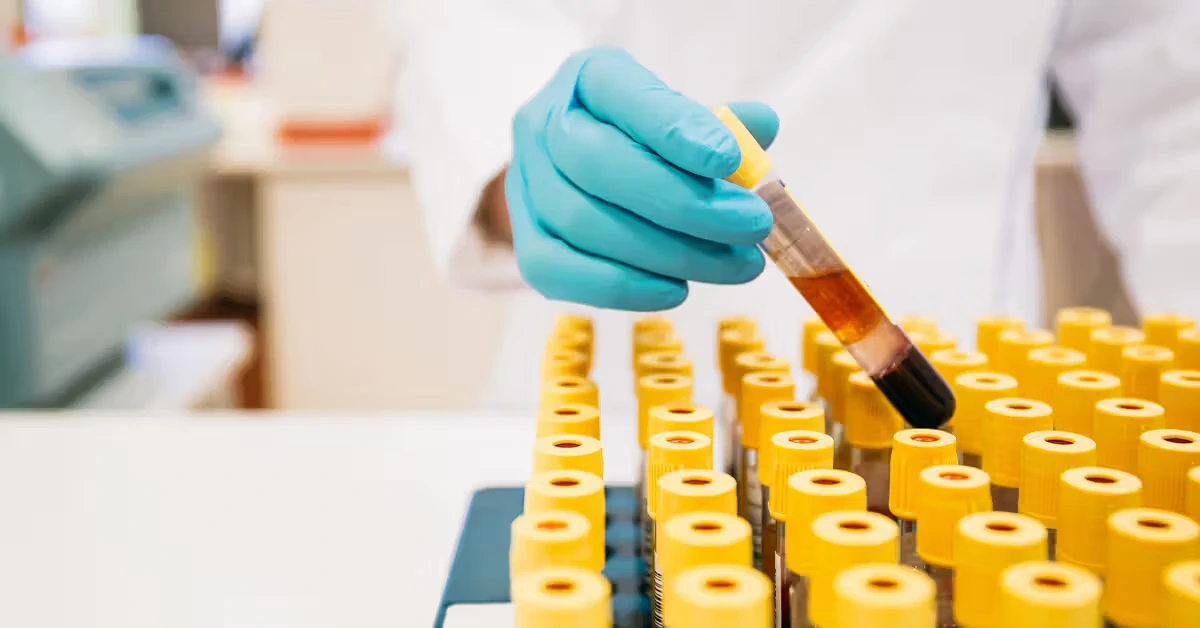
Medical laboratory testing plays a role in how doctors learn about your health. When you visit a provider with new symptoms, a routine checkup, or a follow-up appointment, lab work can support the conversation that follows. These tests give your care team measurable information, and it allows them to uncover what is happening inside your body.
What Is Lab Work?
Lab work refers to the analysis of samples taken from your body to gather health information. These samples may include blood, urine, or other tissue samples. They are then sent to a laboratory where specialists examine them using specialized equipment. The results give your healthcare provider objective data. Instead of relying on symptoms alone, your doctor can review numbers and measurements that reflect how different systems in your body are functioning. This information may support a diagnosis, or they provide a baseline for future comparison.
What Types Are There?
Lab tests come in many forms, and each serves a distinct purpose. While the full range is broad, several categories appear frequently in routine and specialized care. These include:
- Blood Tests: A sample of blood can reveal details about red and white cells, cholesterol, blood sugar, and organ function. A complete blood count and a metabolic panel fall under this category.
- Urine Tests: A urinalysis examines the content and characteristics of urine. This type of testing can offer information about kidney function and other bodily processes.
- Cultures: These tests grow samples in a controlled setting to detect bacteria, viruses, or fungi. Throat cultures may be used to identify the source of an infection.
- Tissue Tests: A biopsy involves collecting a small piece of tissue for closer examination. Pathologists study the sample under a microscope to review cell structure.
Your provider can select the tests that align with your symptoms, medical history, and the goals of your visit. More than one test may be ordered at the same time to build a fuller understanding.
What Should You Expect?
The experience of getting lab work done depends on the type of test, but a few general patterns apply to many visits. Your provider can explain which tests are ordered and why. Some tests call for preparation, such as fasting for a set number of hours. Following any instructions closely helps produce accurate results.
Next comes sample collection. For a blood draw, a professional inserts a small needle into a vein, usually in the arm. The process is generally brief, and it typically involves minimal discomfort for most people. Urine samples are collected in a private setting using a provided container. Other tests, such as swabs or biopsies, follow their own short procedures.
After collection, your sample is sent to the laboratory for analysis. Turnaround time varies. Some results are ready within hours, and others take several days depending on the complexity of the test. Your provider reviews the results with you. Your care team will explain what the findings suggest, and they can outline any next steps.
Seek Professional Medical Services
Lab work turns unseen details into information your provider may act on. If you have symptoms or health questions, reaching out to a medical provider is a sound step. A clinician can determine which tests fit your situation, and they will guide you through the findings with clear explanations. Regular checkups also give your provider a chance to track changes over time, which supports informed decisions about your care.
