


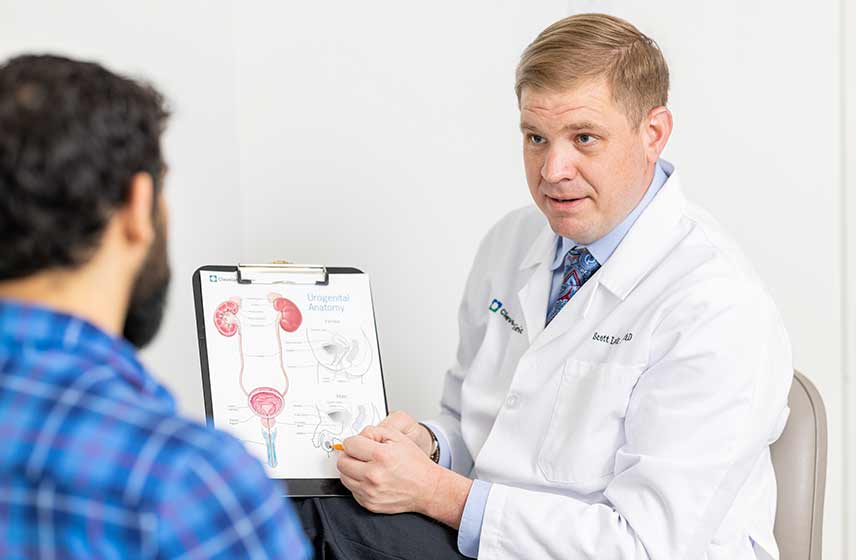
Testosterone is a hormone produced mainly in the testicles in men. When levels fall below the typical range and begin to affect daily life, the condition is commonly referred to as low testosterone, testosterone deficiency, or hypogonadism. Low testosterone can affect people of various ages, and its signs are sometimes mistaken for normal aging or stress. A low testosterone specialist is a health care provider who focuses on evaluating hormone levels, identifying possible underlying factors, and developing individualized care plans.
What Causes Low Testosterone?
Low testosterone generally falls into two categories: primary and secondary hypogonadism. Primary hypogonadism occurs when the testicles do not produce enough testosterone. Secondary hypogonadism occurs when the pituitary gland or hypothalamus, which are areas of the brain that signal the testicles to produce testosterone, do not function as expected.
Several factors may contribute to reduced testosterone levels. Testosterone production naturally slows as you age, but other causes can play a role too. Physical injury or infections may affect hormone production. Disorders affecting the pituitary gland can disrupt the hormonal signals that tell the body to produce testosterone. More than one factor may be involved in some cases. A specialist can help identify which factors apply to your situation, allowing them to guide you toward appropriate treatment.
What Are the Symptoms?
The symptoms of low testosterone vary from person to person, and they may develop slowly. Some people notice physical changes, while others first observe changes in mood or energy. Commonly reported symptoms include:
- Reduced interest in sexual activity
- Impaired ability to achieve or maintain an erection
- Persistent fatigue or low energy
- Decreased muscle mass and strength
- Increased body fat
- Reduced body or facial hair
- Noticeable changes in mood, such as irritability or feelings of sadness
- Disturbed sleep patterns
Many of these symptoms can also be linked to other health conditions. For this reason, a blood test is typically needed to measure testosterone levels. Testosterone levels can peak in the morning, so providers usually recommend testing at that time of day. More than one test may be needed to confirm results.
How Is It Treated?
A low testosterone specialist typically begins with an evaluation. Blood tests may measure total and free testosterone, along with other hormones that help identify whether the issue starts in the testicles or the brain. Once a diagnosis is made, the specialist develops a care plan based on your health history and personal goals; this can include:
- Testosterone Replacement Therapy (TRT): This therapy supplements the body’s testosterone; it is available in several forms, and each form differs in how often it is used and how it is absorbed.
- Medications That Support Natural Production: For individuals who wish to preserve fertility, a specialist can recommend medications that encourage the body to produce more of its own testosterone.
- Lifestyle Guidance: Specialists may provide recommendations on weight management, physical activity, sleep habits, and alcohol use.
Ongoing monitoring is a standard part of care. Follow-up blood tests help the specialist track hormone levels and other health markers. These results guide any adjustments to the treatment plan over time.
Choose the Right Low Testosterone Specialist
Hormone care is often a long-term process, so the specialist you select will likely be involved in your health over months or years. A specialist who takes a comprehensive approach will look beyond testosterone numbers alone, evaluating how symptoms, overall health, and personal goals connect. Find a low testosterone specialist who offers thorough testing, individualized treatment plans, and regular follow-up care to support your long-term well-being.
