


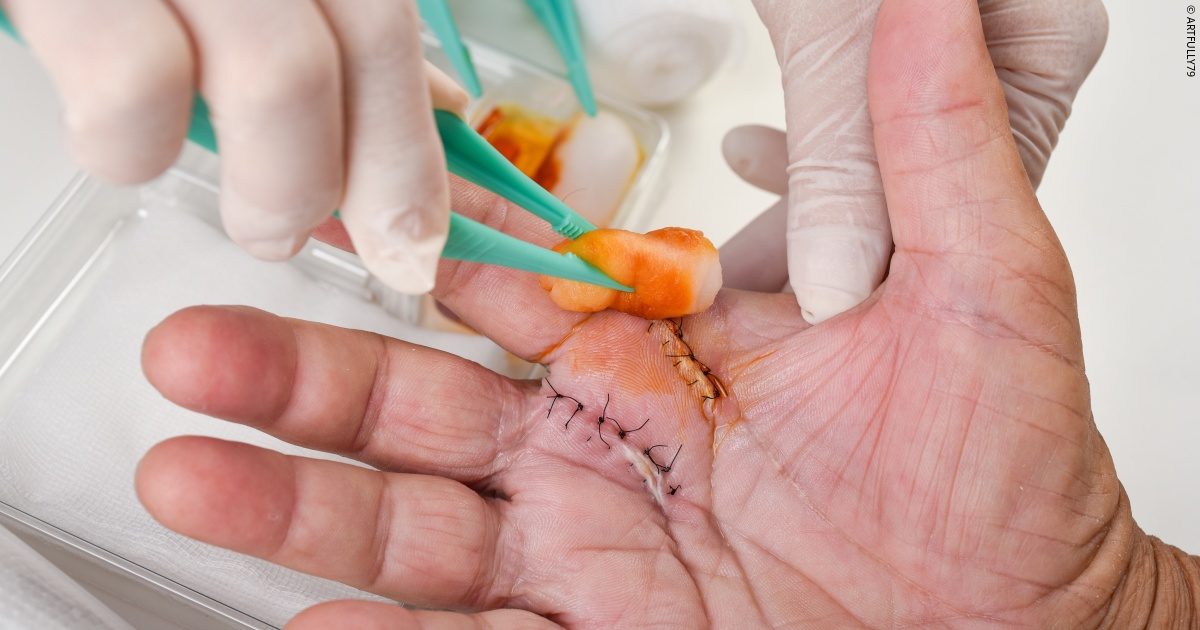
Proper wound care is fundamental for promoting healing, preventing infection, and minimizing the risk of complications. Whether the wound is minor or serious, following effective wound management practices can significantly reduce recovery time and improve outcomes. Here are some key tips for effective wound care management:
Wound Care Basics
Wound care involves cleaning, protecting, and monitoring injuries to promote proper healing. The body’s natural healing process works best when wounds remain clean and protected from bacteria. Different types of wounds require specific treatment approaches.
Minor cuts and scrapes can be managed at home with basic first aid supplies. These wounds usually heal within a few days to a week when properly cared for. Severe wounds, including deep cuts, puncture wounds, or injuries that won’t stop bleeding, require professional medical attention. The location of a wound also affects healing time and care requirements. People with diabetes or circulation problems face extra challenges with wound healing and need extra attention to prevent complications.
Steps for Effective Wound Management
Effective wound management begins with immediate first aid. Follow these steps to promote proper care and healing:
- Wash your hands thoroughly with soap and water to prevent introducing bacteria to the wound.
- Control any bleeding by applying gentle, direct pressure with a clean cloth or bandage.
- Clean the wound gently with water to remove dirt and debris, and avoid using hydrogen peroxide or alcohol directly on the wound.
- Pat the area dry with a clean towel, taking care not to rub or irritate the wound.
- Apply a thin layer of antibiotic ointment if recommended by a healthcare provider.
- Cover the wound with a sterile bandage or adhesive bandage, depending on the size and location of the injury.
These steps form the foundation of effective wound care management, reducing the risk of complications and supporting the natural healing process.
Tips for Faster Healing
To aid proper wound healing and minimize the risk of complications, follow these fundamental tips:
- Keep the wound clean and dry between dressing changes.
- Change bandages daily or whenever they become wet or dirty.
- Monitor the wound daily for signs of healing or potential problems such as increased redness, swelling, or discharge.
- Maintain good nutrition to support the healing process.
- Stay hydrated by drinking plenty of water throughout the day.
- Avoid picking at scabs or removing bandages unnecessarily, as this can disrupt the healing process and increase the risk of infection.
- Protect the wound from further injury by avoiding activities that may reopen or aggravate the area.
- Keep the wound elevated when possible to reduce swelling and promote proper blood flow.
Adhering to these guidelines helps to create optimal conditions for the wound to heal efficiently and reduce the likelihood of complications.
Signs You Need Professional Wound Care
Seek medical attention immediately if bleeding cannot be controlled with direct pressure or if the wound is deep enough to see fat, muscle, or bone. Professional wound care becomes necessary when wounds show signs of infection, including increased pain, warmth, redness, swelling, or pus discharge. Wounds that haven’t begun healing after a few days, or those that appear to be worsening, require professional evaluation.
People with diabetes, circulation problems, or compromised immune systems should seek medical care for any wound that seems to be healing slowly. Large wounds, puncture wounds from dirty objects, or injuries caused by animal bites need professional treatment and may require antibiotics or tetanus shots. If you haven’t had a tetanus shot within the last five to ten years, depending on the type of wound, a medical evaluation becomes necessary.
Schedule Your Wound Care Appointment
Proper wound management protects your health and promotes faster healing. Following these key steps helps prevent complications and supports your body’s natural healing process. Remember that keeping wounds clean, protected, and monitored is the foundation of effective wound care. Contact a wound management specialist near you to schedule your appointment today.
