


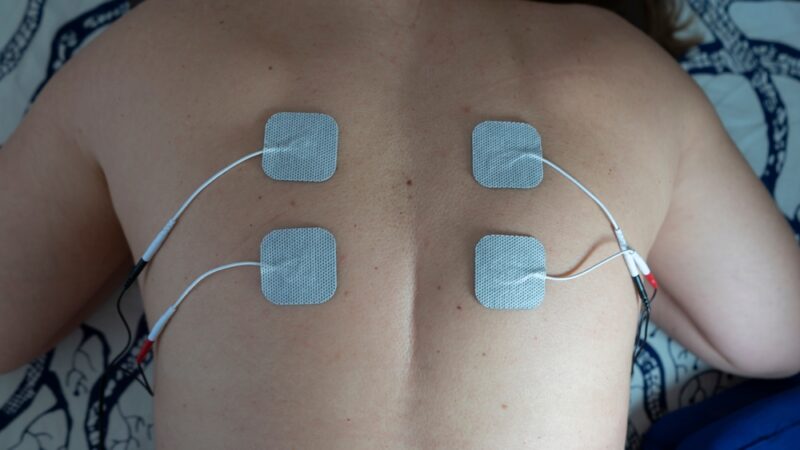
A spinal cord stimulator is a small implanted device that sends mild electrical pulses to the spinal cord to help manage chronic pain. This spinal cord stimulation system includes thin wires called leads and a battery-powered generator implanted under the skin. Doctors recommend this option only after conservative methods, like medication, physical therapy, and pain injections, haven’t effectively reduced pain. Because the stimulator device does not treat the underlying cause of pain, specialists will recommend treatment only after a thorough evaluation. Here’s more information on spinal cord stimulation for managing chronic pain conditions:
How To Determine Candidacy
Spinal cord stimulation may benefit several types of chronic pain conditions, including failed back surgery syndrome, complex regional pain syndrome, and chronic radicular pain. Some patients with peripheral neuropathy, including diabetic neuropathy, may also be candidates. A pain specialist will review your medical history, imaging results, and prior treatments before discussing your treatment options. Many practices also require a psychological evaluation, since mood, sleep, and other factors can influence how a person experiences pain.
Before the stimulator can be implanted, a trial period tests your candidacy for this pain management method. During a trial, the specialist places temporary leads through a needle into the epidural space near the spinal cord. The leads connect to an external generator worn on a belt, and you use the device during normal daily activities for about 5 to ten days. Your care team tracks your pain levels, activity, and sleep throughout this period. At the end of the trial, the specialist removes the temporary leads, and you review the results together to see if you report at least 50 percent pain reduction.
How the Stimulator Is Implanted
Permanent implantation is an outpatient procedure that takes one to two hours. You may receive local anesthesia with sedation or general anesthesia, depending on the surgical technique. The surgeon places the leads in the epidural space using X-ray guidance. Some leads go in through a needle, while paddle-style leads require a small opening in the spinal bone. The surgeon then creates a small pocket under the skin for the generator, often in the:
- Buttock
- Lower Abdomen
- Flank
Before closing the incisions, the team tests the system to confirm lead placement. Most patients go home the same day. You may experience soreness at the incision sites for a few days to a few weeks. For about six to eight weeks, you should avoid bending, twisting, heavy lifting, and reaching overhead. These restrictions help the leads stay in place while scar tissue forms. A clinician or device representative programs the stimulator before you go home, and follow-up visits allow your team to check healing and adjust settings.
How the Stimulator Manages Pain
Pain signals travel through nerves to the spinal cord and then to the brain. A spinal cord stimulator delivers electrical pulses to the spinal cord’s dorsal columns; these pulses are designed to interfere with pain signals before they reach the brain. Traditional systems produce a mild tingling sensation called paresthesia over the painful area. Newer systems use high-frequency or burst stimulation, which sometimes provides relief without noticeable tingling. You control the stimulator with a handheld remote, allowing you to turn the device on or off, change programs, and adjust intensity within limits your clinician sets.
Look Into Spinal Cord Stimulation
If chronic pain continues to limit your daily activities after other treatments, spinal cord stimulation may be worth discussing. A spinal pain management specialist can review your history, explain the risks and potential benefits, and determine whether a trial is appropriate. Some generators are rechargeable, but others use a battery that requires surgical replacement every few years. To learn more about your spinal pain management options, schedule a consultation with a pain management specialist near you.
