


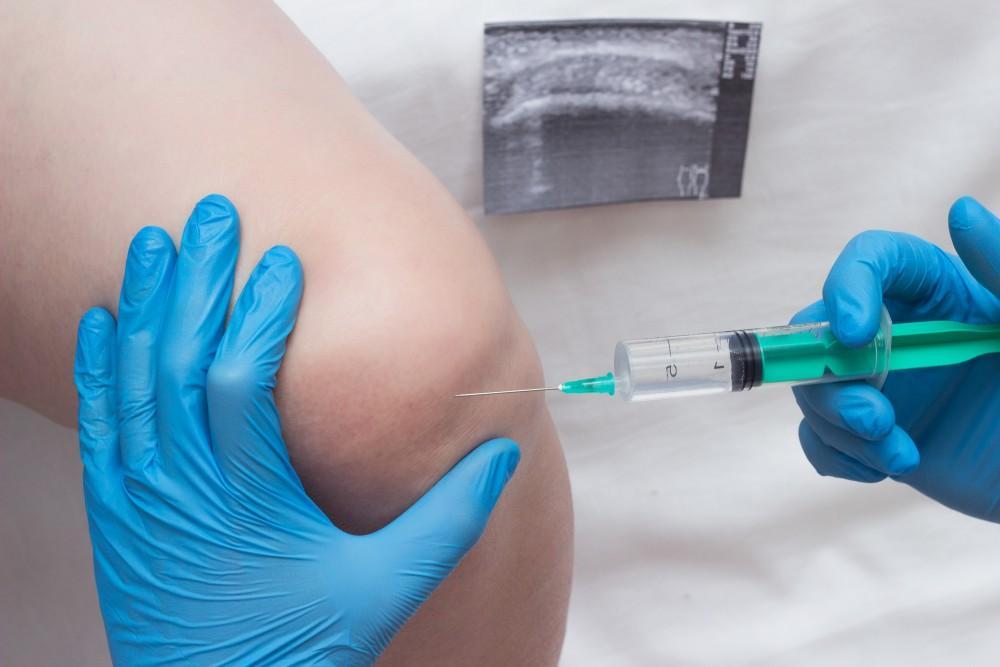
Joint injections deliver medication directly to address pain and swelling, and doctors use them for conditions like arthritis, tendonitis, and bursitis. The procedure is quick, and patients typically find relief. When other treatments fall short, your provider might suggest this option to target the source of your discomfort. Here is more information on the science behind these injections:
Using Corticosteroids
Corticosteroids are synthetic drugs that mimic hormones your body already makes. Doctors inject them into the joint space, and the medication settles near the inflamed tissue. Since these drugs act on immune activity, they slow the chemical signals that trigger swelling. This targeted approach means the medication works where you need it.
The dose depends on the joint size and your specific condition, and a small joint like a finger needs less medication than a knee or hip. Based on your medical history, your provider selects the type and strength. Benefits of corticosteroid joint injections include:
- Fast-acting pain relief
- Reduced joint swelling and inflammation
- Improved range of motion
- Minimal systemic side effects
Reducing Inflammation
Inflammation happens when your immune system responds to injury or wear. The joint fills with fluid, and the surrounding tissue swells. Corticosteroids interrupt this process by blocking the proteins that fuel it. When those proteins drop, the swelling eases. Less swelling typically means less pressure inside the joint.
Providing Rapid Relief
Many patients notice changes within a few days of the injection. Some corticosteroids act faster, while others release slowly over weeks. The timing depends on the drug and how your body processes it. Fast-acting formulas suit acute flare-ups, and slower ones offer steadier coverage.
Local anesthetics are sometimes mixed into the injection. This combination numbs the area quickly, and the corticosteroid follows with longer effects. You might feel relief almost immediately from the anesthetic. For some people, early comfort gives the steroid time to take hold.
The effects of corticosteroid injections can vary from person to person. Some patients experience significant relief after a single injection, and others may require a series of treatments for optimal results. If the pain persists despite the injection, your doctor may recommend additional therapies to address the underlying issue.
Using Them Sparingly
While minor, repeated injections in the same joint carry risks over time. Corticosteroids can cause issues if used too often; doctors limit how frequently they treat a single joint for this reason. Most providers space injections several months apart.
Your provider tracks each injection and watches for side effects. These effects vary from person to person, and monitoring helps catch them early. For safety reasons, overuse offers no added value and may cause harm.
A responsible plan typically pairs injections with other approaches, and these supporting steps might include:
- Physical therapy to strengthen surrounding muscles
- Controlled weight management to reduce joint load
- Low-impact exercise to maintain mobility
In some cases, combining methods may let you rely less on frequent injections. Your care team designs a schedule that fits your condition. This balanced strategy protects the joint while managing your symptoms.
Find Relief With Joint Injections
Joint injections work by targeting inflammation at its source. Understanding the process helps you make informed choices with your provider. Talk with your doctor to learn whether this treatment fits your needs. They can review your history, examine the joint, and explain your options. Schedule a consultation today to discuss a plan built around your situation.
