


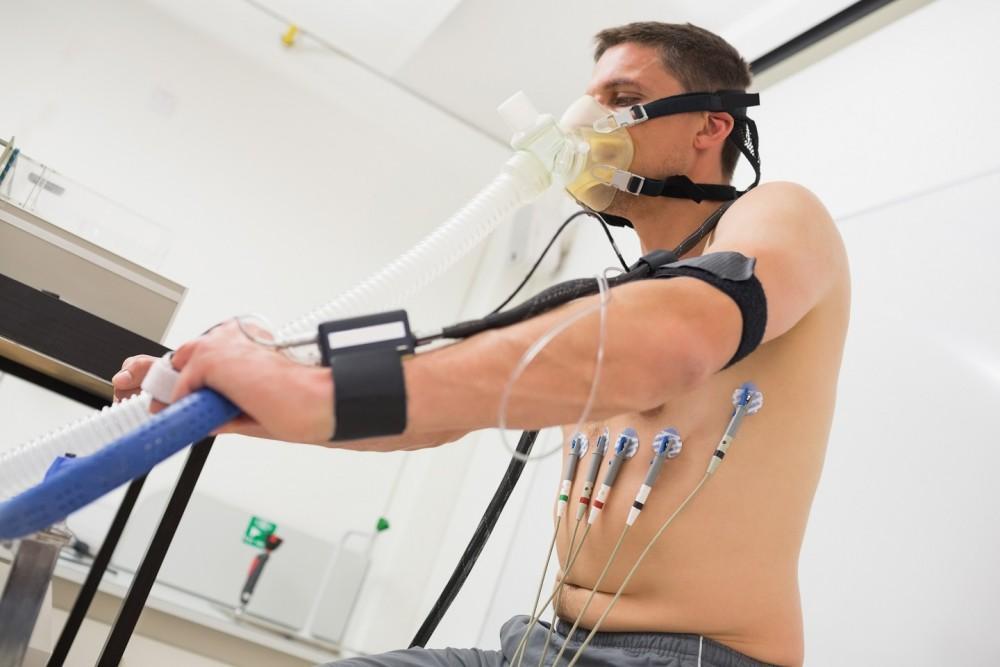
A nuclear stress test is a diagnostic imaging procedure that tracks blood flow to the heart muscle both at rest and during exercise. A healthcare provider administers a small radioactive tracer through an IV line, and imaging equipment captures detailed pictures of the heart at each stage. The care team uses those images to review how well blood reaches different regions of the heart. Here are several things to know about nuclear stress testing:
Understanding How the Test Works
The procedure runs in two distinct phases. During the resting phase, a technician injects a tracer through an IV line. Imaging equipment then captures pictures of your heart while you remain still. Those baseline images serve as the reference point for comparison. The stress phase follows; it raises your heart rate so the care team can observe how the heart responds to increased demand. Patients who are able to will walk on a treadmill or pedal a stationary bike until the heart reaches its target rate. Those who cannot exercise typically receive a medication that produces a similar physiological response. Once the target rate is reached, the technician injects a second dose of tracer, and they capture another set of images. Comparing the two sets gives the care team a complete picture of blood flow under both conditions.
Preparing for Your Appointment
Preparation is key to producing clear, usable images during nuclear stress testing. Your care team will provide specific instructions tailored to your situation; follow the directions precisely. Guidelines may vary by facility but typically include:
- Adjusting your diet: Avoid food and drinks for the number of hours your provider specifies before the test.
- Eliminating caffeine: Facilities may require you to avoid coffee, tea, soda, and chocolate for 24 hours, as caffeine interferes with the stress portion of the procedure.
- Reviewing your medications: Share a complete medication list with your care team and ask whether any should be paused before the appointment.
- Choosing appropriate clothing: Wear comfortable attire and supportive walking shoes if the test involves a treadmill or stationary bike.
Bring your medication list and any paperwork your facility requests. Direct questions to the scheduling office before your appointment date so you arrive fully prepared.
Navigating the Testing Day
On the day of the test, a technician attaches electrodes to your chest to monitor your heart rhythm, and they place an IV line for the tracer. The full appointment may take several hours because the schedule includes waiting periods between the resting and stress phases. Part of that time is spent lying still under the imaging camera, which hovers above you without making contact. After the stress phase concludes, the care team reviews the captured images before clearing you to leave.
Many patients resume normal daily activities immediately after, though your provider will confirm what applies to your specific case. Drinking plenty of water after the procedure may help your body clear the tracer. A physician analyzes the final images and forwards the results to your ordering provider, who reviews the findings with you at a follow-up visit. Keeping that appointment makes sure you receive a clear explanation of what the results show.
Schedule Nuclear Stress Testing
A nuclear stress test uses a radioactive tracer and imaging technology to evaluate blood flow to the heart. The test typically includes imaging at rest and during stress; this can identify problems that become more apparent when the heart is working harder. Proper preparation, understanding the testing process, and a follow-up plan help make the experience smoother. If your provider has recommended this procedure, contact the scheduling office and carefully review the preparation instructions.
