


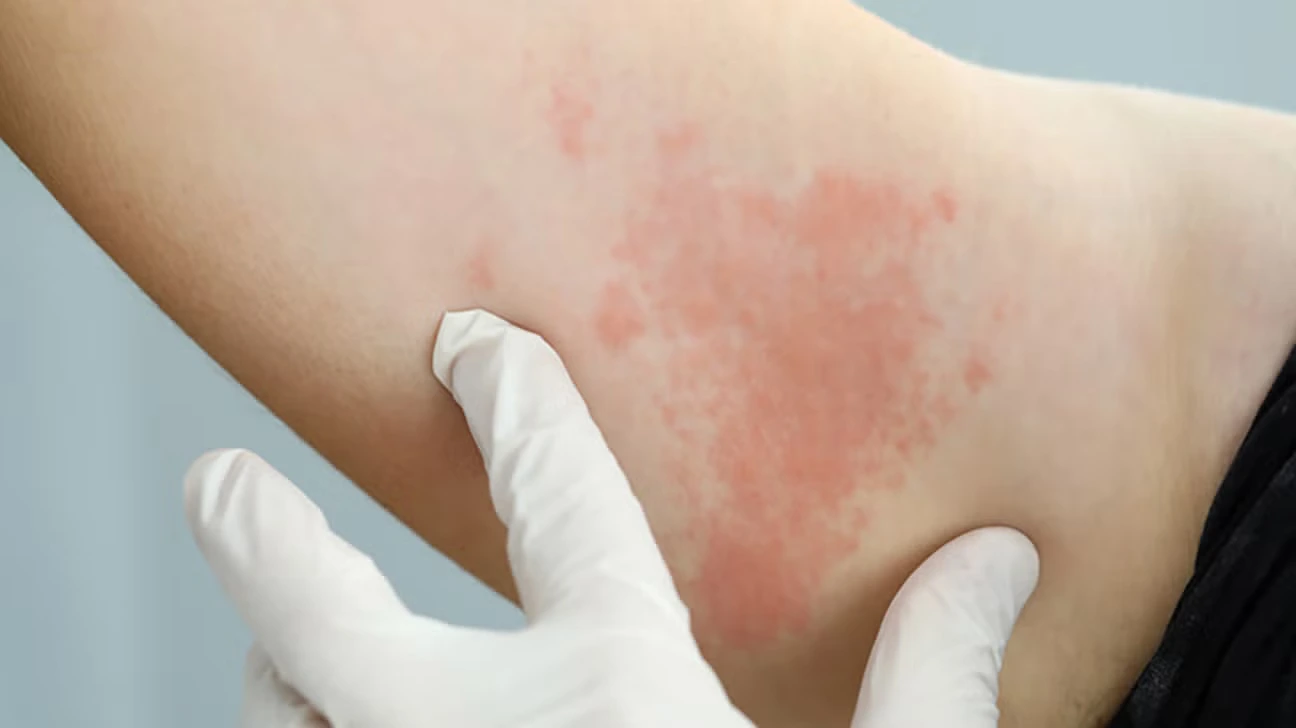
Healthy skin is more than a cosmetic concern. It acts as the body’s first line of defense against bacteria, viruses, pollution, and environmental damage. Millions of people experience skin problems at some point in their lives, ranging from mild dryness to chronic inflammatory conditions. Understanding the most common skin conditions and learning how to prevent them can help maintain healthier skin and reduce the need for medical treatment.
This guide explains ten common skin conditions, their causes, symptoms, and practical prevention strategies recommended by dermatology professionals.
Why skin health matters
The skin is the largest organ of the body. It helps regulate temperature, prevents dehydration, and protects internal organs from harmful substances. When the skin barrier becomes damaged, it can lead to irritation, infection, inflammation, and discomfort.
Common factors that affect skin health include:
- Excessive sun exposure
- Poor hygiene
- Harsh skincare products
- Allergies
- Stress
- Hormonal changes
- Genetics
- Environmental pollution
Adopting a consistent skincare routine and avoiding known triggers can significantly reduce the risk of many skin conditions.
1. Acne

Acne is one of the most common dermatological conditions, affecting teenagers and adults alike. It occurs when hair follicles become clogged with oil, dead skin cells, and bacteria.
Symptoms
- Whiteheads and blackheads
- Red pimples
- Painful cysts
- Oily skin
- Scarring in severe cases
Prevention
- Wash your face twice daily with a gentle cleanser.
- Avoid touching or picking at pimples.
- Use non-comedogenic skincare and makeup products.
- Keep pillowcases and phones clean.
- Maintain a balanced diet and stay hydrated.
2. Eczema (Atopic Dermatitis)

Eczema causes dry, itchy, and inflamed skin. It often begins in childhood but can continue into adulthood.
Symptoms
- Dry, cracked skin
- Intense itching
- Red or brown patches
- Thickened skin from scratching
Prevention
- Moisturize immediately after bathing.
- Use fragrance-free soaps and detergents.
- Avoid hot showers.
- Identify and avoid allergens or irritants.
- Wear soft, breathable fabrics such as cotton.
3. Psoriasis

Psoriasis is an autoimmune condition that causes rapid skin cell turnover, leading to thick, scaly patches.
Symptoms
- Silvery scales
- Red plaques
- Itching or burning
- Dry, cracked skin
- Nail changes
Prevention and management
Although psoriasis cannot always be prevented, flare-ups may be reduced by:
- Managing stress
- Avoiding smoking and excessive alcohol
- Keeping the skin moisturized
- Following prescribed treatment plans
- Maintaining a healthy weight
4. Rosacea

Rosacea is a chronic condition that causes facial redness and visible blood vessels, especially on the cheeks and nose.
Symptoms
- Persistent redness
- Flushing
- Visible blood vessels
- Acne-like bumps
- Eye irritation in some cases
Prevention
- Use sunscreen daily.
- Avoid spicy foods, alcohol, and hot beverages if they trigger symptoms.
- Protect the face from extreme temperatures.
- Use gentle skincare products.
- Keep a diary to identify personal triggers.
5. Fungal Skin Infections

Conditions such as ringworm and athlete’s foot are caused by fungi that thrive in warm, moist environments.
Symptoms
- Ring-shaped rashes
- Itching
- Peeling skin
- Redness
- Cracking between toes
Prevention
- Keep the skin dry.
- Change sweaty clothes promptly.
- Avoid sharing towels or shoes.
- Wear sandals in public showers.
- Use antifungal powders if prone to infections.
6. Contact Dermatitis
This condition occurs when the skin reacts to an irritant or allergen.
Common triggers
- Nickel jewelry
- Fragrances
- Cleaning products
- Latex
- Certain plants
Symptoms
- Red rash
- Itching
- Swelling
- Blisters
- Dry or cracked skin
Prevention
- Wear gloves when handling chemicals.
- Test new skincare products on a small area first.
- Choose hypoallergenic products.
- Avoid known allergens whenever possible.
7. Sunburn

Sunburn results from excessive exposure to ultraviolet (UV) radiation and increases the risk of skin cancer.
Symptoms
- Redness
- Pain or tenderness
- Swelling
- Blistering
- Peeling skin
Prevention
- Apply broad-spectrum SPF 30 or higher.
- Reapply sunscreen every two hours.
- Wear protective clothing and hats.
- Seek shade between 10 a.m. and 4 p.m.
- Avoid tanning beds.
A quick demonstration of proper sunscreen application and sun-protection habits:
8. Dry Skin (Xerosis)
Dry skin is especially common during winter or in low-humidity environments.
Symptoms
- Tightness
- Flaking
- Rough texture
- Itching
- Fine cracks
Prevention
- Use a humidifier indoors.
- Apply moisturizer several times daily.
- Choose cream or ointment-based moisturizers.
- Limit exposure to harsh soaps.
- Drink adequate water.
9. Hives (Urticaria)
Hives are raised, itchy welts that can appear suddenly and may be triggered by allergies, infections, or stress.
Symptoms
- Raised welts
- Intense itching
- Swelling
- Lesions that change location
Prevention
- Identify and avoid trigger foods or medications.
- Manage stress levels.
- Wear loose-fitting clothing.
- Seek medical evaluation for recurrent hives.
10. Skin Infections
Bacterial infections such as cellulitis or impetigo can develop when bacteria enter through cuts or damaged skin.
Symptoms
- Redness
- Warmth
- Swelling
- Pain
- Pus or drainage
Prevention
- Clean cuts and scrapes promptly.
- Keep wounds covered.
- Avoid scratching irritated skin.
- Wash hands regularly.
- Seek treatment if signs of infection appear.
Daily skincare habits that help prevent skin problems
A simple routine is often more effective than using many products.
Healthy skin checklist
- Cleanse gently morning and night.
- Moisturize according to your skin type.
- Use sunscreen every day, even when it is cloudy.
- Avoid smoking and limit alcohol consumption.
- Eat a diet rich in fruits, vegetables, and healthy fats.
- Get enough sleep and manage stress.
- Avoid over-exfoliating or using harsh scrubs.
When should you see a dermatologist?
Consult a dermatologist if you experience:
- A rash that lasts more than two weeks
- Severe itching or pain
- Rapidly spreading redness
- Blisters or open sores
- Changes in a mole’s size, shape, or color
- Recurrent skin infections
- Acne that causes scarring
- Skin problems that do not improve with over-the-counter treatment
Early diagnosis can prevent complications and improve treatment outcomes.
Frequently asked questions
What is the most common skin condition?
Acne is generally considered the most common skin condition worldwide, affecting people of all ages.
Can stress cause skin problems?
Yes. Stress can worsen acne, eczema, psoriasis, rosacea, and hives by increasing inflammation and triggering flare-ups.
Is sunscreen necessary indoors?
If you spend time near windows or are exposed to significant daylight, daily sunscreen use is still recommended.
How often should I moisturize?
Most people benefit from moisturizing at least twice daily, especially after bathing and before bedtime.
Conclusion
Skin conditions are extremely common, but many can be prevented or controlled with proper skincare habits and lifestyle choices. Regular cleansing, moisturizing, sun protection, and avoiding known triggers are the foundation of healthy skin. If symptoms persist or become severe, seeking advice from a qualified dermatologist is the best way to receive an accurate diagnosis and effective treatment.
Taking care of your skin today can help prevent discomfort, reduce the risk of long-term damage, and support overall health for years to come.
