


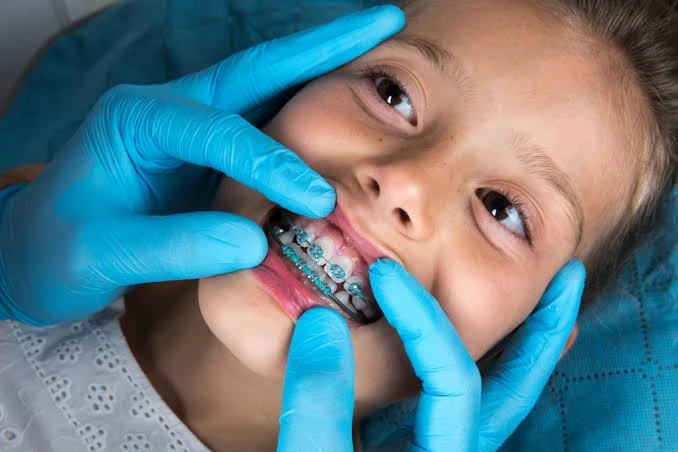
Braces can correct tooth alignment and bite problems in children while supporting healthy dental development. The right time to start treatment depends on factors such as jaw growth and the type of orthodontic issue. Here is more information on what parents should know about braces for kids and the right time to start treatment:
Does Your Child Need Braces?
Some signs of needing braces appear early, while others become visible as a child grows. You may notice teeth that overlap, spaces that seem too wide, or a jaw that shifts when your child bites down. These observations help you decide whether a professional evaluation is a helpful next step. Watch for the following signs:
- Crowded or overlapping teeth: Teeth compete for space, which makes brushing and flossing harder.
- Noticeable gaps: Wide spaces between teeth can affect chewing and speech.
- Bite problems: An upper and lower jaw that meet unevenly can strain the teeth over time.
- Early or late tooth loss: Baby teeth that fall out off schedule can change how adult teeth come in.
- Mouth breathing or thumb sucking: These habits can influence how the jaw and teeth develop.
When Should Braces Start?
Some orthodontists suggest a first evaluation around age seven, and this timing makes practical sense. By this age, a mix of baby and adult teeth appears, so a specialist can identify patterns that need attention. An early visit does not always mean braces follow right away; it often marks the start of monitoring.
The right age to begin treatment depends on how a child’s teeth and jaw develop. Some children benefit from treatment during the mixed-teeth stage, while others do better once most adult teeth have come in. A specialist tracks growth and recommends a timeline that matches your child’s situation.
Which Treatment Timing Works?
Orthodontists sometimes split care into two phases, and each phase serves a different goal. Early treatment, often called phase one, targets jaw growth and creates space for incoming teeth. Later treatment focuses on aligning the full set of adult teeth once they emerge. The choice between early and later treatment depends on several practical factors. Here are some of them:
- Severity of the issue: More complex bite or spacing problems may call for earlier action.
- Jaw development: Guiding growth while bones are still forming can simplify later steps.
- Number of adult teeth present: Some corrections work best once most adult teeth appear.
- Your child’s readiness: Comfort with dental care and daily cleaning routines matters.
How Can You Prepare?
Preparation starts with a simple conversation about what braces do and why they help. Explain that the device shifts teeth slowly, and mention that mild soreness can follow adjustments. When children understand the process, they tend to adjust more easily, and their cooperation supports steady progress.
Daily care becomes a larger part of the routine once braces are on. Brushing after meals, flossing carefully, and avoiding sticky or hard foods protect both the braces and the teeth. You can set up a small kit with a travel brush and floss so your child keeps up these habits away from home. An orthodontist adjusts the braces at set intervals, and these appointments keep the teeth moving as intended. Marking these dates on a calendar helps your family stay organized, and consistent attendance supports the expected timeline.
Schedule Your Braces Appointment Today
Healthy dental hygiene practices, a predictable care routine, and regular orthodontist appointments are key to effective braces treatment. These steps help your child adapt to their new braces, stay on track, and avoid potential setbacks. Consistency and preparation support the treatment plan and the desired outcome. Contact a qualified orthodontist near you to schedule your braces appointment today.
