


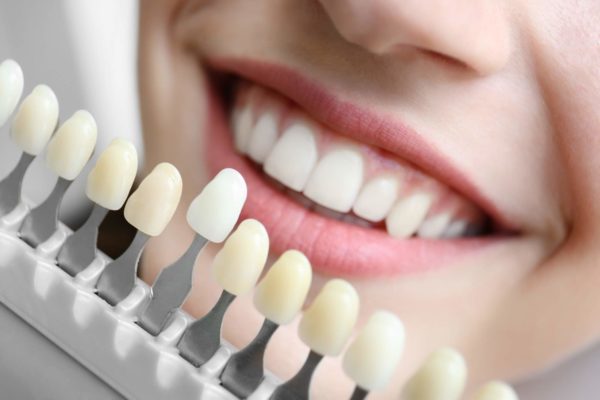
Veneers are thin, custom-made shells bonded to the front surface of teeth. Cosmetic dentists craft them from porcelain or composite resin, shaping each piece to match a planned size, shade, and contour. The full process spans several appointments, and each stage builds directly on the one before it. Knowing what to expect at every visit helps you plan your schedule and arrive prepared. Here’s information about getting cosmetic veneers:
Consulting and Preparing Your Teeth
The process starts with a consultation. Your cosmetic dentistexamines your teeth and gums, and they review your dental history. They may also take X-rays or photographs to document your current smile. This visit lets you describe your goals, whether that means adjusting tooth color, shape, length, or spacing. Your dentist outlines the full treatment plan based on these details.
Once you agree on a plan, the preparation stage begins. To make room for the veneers, your dentist removes a thin layer of enamel from the front of each tooth. The exact amount depends on the veneer material and its thickness. Your dentist guides you through the preparation method before the work begins, so you know what each step involves. Asking targeted questions at your consultation helps you understand the scope of the commitment. Some topics to address include:
- How many appointments the treatment will require
- The veneer material recommended for your plan
- The amount of enamel that will be removed during preparation
- What maintenance the veneers will require long-term
Recording Measurements and Fabricating Veneers
After preparation, your dentist records the shape of your teeth. Some offices use a traditional putty impression, while others may use an intraoral scanner to build a precise 3D digital model. Both methods supply the dental lab with the measurements needed to fabricate your veneers accurately. During this same visit, you and your dentist select the shade. Reviewing options together makes sure the final color aligns with your plan. The lab then uses those records to shape and finish each veneer according to your dentist’s specifications; this process typically takes a few weeks.
Placing Temporary and Permanent Veneers
While the lab completes your permanent veneers, your dentist may place temporary ones to cover the prepared teeth. Temporary veneers are less durable than the final set, so your dentist will likely advise you to avoid hard or sticky foods during this period. Contact your dental office promptly if a temporary veneer loosens. This can keep the process on schedule.
At the final appointment, your dentist removes the temporaries and cleans each tooth. They position every permanent veneer to verify the fit, shape, and color. Small adjustments happen at this stage before anything is bonded in place, which makes this review a key part of the process. Once the fit meets the planned specifications, your dentist applies a bonding agent and positions each veneer. They then use a curing light to harden the material. Any excess is removed, and your bite is checked to confirm proper alignment.
Find an Experienced Cosmetic Dentist
Getting cosmetic veneers involves a consultation, tooth preparation, impressions, and temporary placement. After the dental laboratory fabricates the veneers, your dentist can bond them to your teeth. Each stage requires active participation from both you and your dentist, and clear communication throughout keeps the process running smoothly. Before you leave your final appointment, ask about recommended care routines and follow-up visits. Schedule a consultation with a qualified cosmetic dentist today to begin your own treatment plan.
