


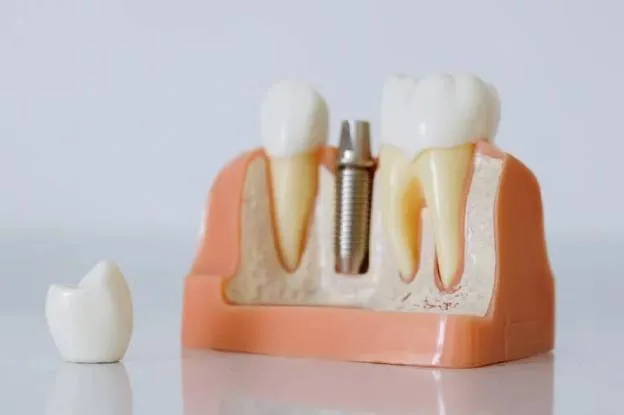
Endodontic problems affect the pulp and roots inside a tooth, including infected or inflamed pulp, fractured roots, and resorption, a process where the body breaks down root structure. A root canal removes damaged pulp, but a tooth with a short or weakened root may still lack support. Dentists address this concern with endodontic implants, also called endodontic stabilizers, but when a tooth is lost, someone may need a dental implant. Here’s more information on the benefits of endodontic implants and how they work:
How Do Dental Implants Work?
An endodontic implant procedure lengthens the part of a tooth root that sits in bone, connecting the natural tooth to the jaw. The goal is to keep the natural tooth rather than remove it. Endodontic implants are thin metal pins that pass through the treated canal and extend into the jawbone. Teeth depend on their roots for support. Dentists assess this support with the crown-to-root ratio, which compares the visible crown to the root anchored in bone.
A short root creates a less favorable ratio, which may allow the tooth to shift under chewing forces and cause functional problems. This implant type extends past the root tip into healthy bone, and the added length improves the ratio and distributes bite pressure across a wider area. Most endodontic implants are made from titanium or cobalt-chromium alloys. Titanium is common in dentistry because of its strength and compatibility with bone tissue.
For this procedure, the dentist cements the part of the pin inside the tooth canal, and the part in the bone remains uncemented. This uncemented surface allows bone to form against the metal over time. Pin length and diameter depend on canal width and available bone. You keep your natural crown, so the tooth retains its original shape, color, and position.
How Do They Restore Function?
A tooth with reduced bone support may feel loose when you bite or chew. By anchoring the tooth more firmly, an endodontic implant aims to limit this movement during eating and speaking. Preserving the tooth also maintains the periodontal ligament, the tissue that cushions bite pressure, and it keeps neighboring teeth from drifting into an empty space.
Good candidates typically have a sound crown but a short, fractured, or resorbed root. They also need enough healthy bone beyond the root tip to hold the pin. A straight or slightly curved canal makes placement more practical, and dentists generally look for stable gum health and controlled periodontal disease. People may need different treatment options if they have:
- Active Infections
- Severe Bone Loss
- Health Conditions That Affect Healing
How Are They Done?
Treatment starts with an exam and imaging, and your dentist uses these images to plan the implant’s size and path. X-rays or a cone beam CT scan show root length, canal shape, and bone density. During the implant procedure, the dentist numbs the area and cleans the root canal. The cleaning process creates an extended channel a short distance past the root tip into the jawbone.
The dentist measures this created channel and selects a pin that fits closely. Next, the dentist places the pin and cements the portion inside the canal to seal the root; the section in the bone stays free of cement. The tooth may be splinted to adjacent teeth for added support during healing. Over the following months, osseointegration takes place. Osseointegration is the process in which living bone grows directly against the implant surface and forms a structural connection with it. This bond anchors the tooth.
Ask About Endodontic Implants
Endodontic implants are one way to preserve a natural tooth with a short or damaged root by extending the root length. These implants add stability and preserve the original tooth structure. Not every tooth qualifies, and factors such as bone quality, canal shape, and overall oral health determine suitability. A dentist or endodontist can review your imaging and explain your treatment options. To learn about your endodontic treatment options, contact a dentist to schedule a consultation.
