


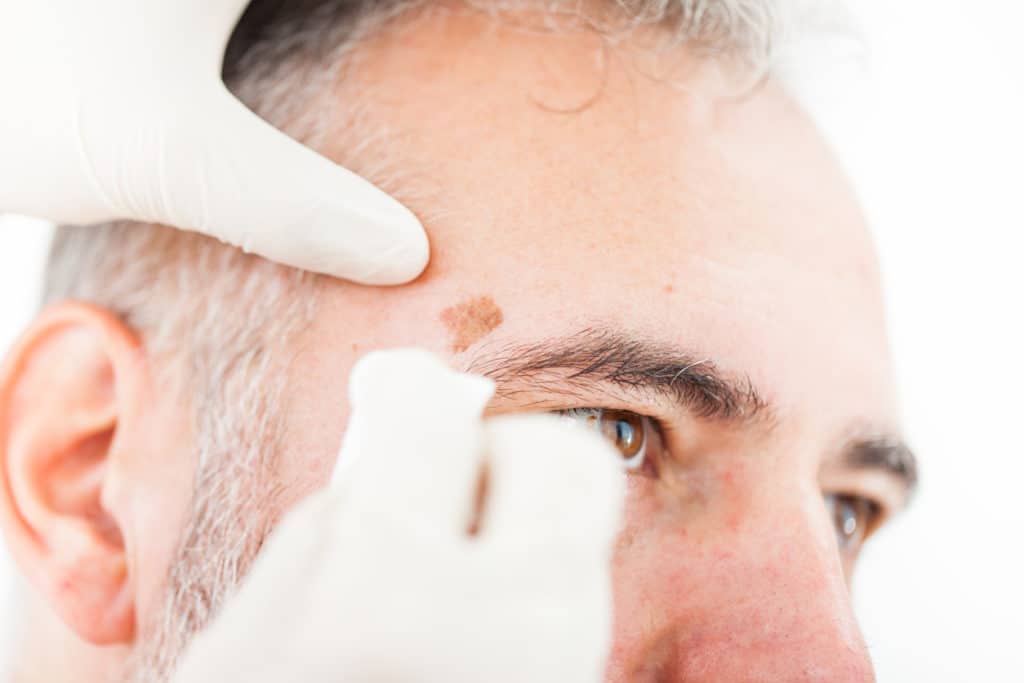
Mohs surgery is a specialized treatment for skin cancer. The procedure removes small tissue samples, and each sample is examined under a microscope for remaining cancer cells. Because surgery removes affected tissue gradually, it preserves surrounding healthy tissue and limits the size of the resulting wound. Here are a few of the benefits of Mohs surgery for skin cancer treatment:
Preserving Healthy Skin Tissue
Mohs surgery removes skin cancer in thin layers. Each layer is examined under a microscope, and additional tissue is removed only where cancer cells remain. Because this process targets affected areas, surrounding healthy tissue remains intact for wound repair and reconstruction. The procedure generally follows these steps:
- Cleansing and numbing the treatment area
- Removing and mapping a thin layer of tissue
- Preparing and examining the tissue under a microscope
- Identifying and removing areas containing remaining cancer cells
- Repeating the process until the examined tissue is clear of cancer cells
Achieving High Cure Rates
Surgery allows surgeons to examine removed tissue during the procedure. Each layer is evaluated for cancer cells, and additional tissue is removed when affected areas remain. Because examination occurs during surgery, the surgeon can locate areas requiring further removal.
Surgery provides a precise approach to skin cancer treatment. The procedure examines tissue margins carefully, and treatment continues when cancer cells remain in the examined tissue. When discussing surgery, patients can ask their dermatologist about the procedure and expected treatment process.
Minimizing Scarring And Recovery
Mohs surgery preserves as much healthy skin as possible. Surgeons remove affected tissue gradually, and this approach can limit the size of the surgical wound. Because wound size and location vary, closure methods may include stitches, skin grafts, or reconstructive procedures. Recovery instructions depend on the treatment area and the method used to close the wound.
Treating Sensitive Facial Areas
Certain facial areas contain limited surrounding tissue. The nose, eyelids, and lips require careful treatment, and removing additional healthy tissue may affect nearby structures. Because surgery removes tissue gradually, surgeons can preserve healthy skin around the treatment area.
The procedure examines each removed layer under a microscope. Surgeons map areas containing cancer cells, and they remove additional tissue only where those cells remain. When treating sensitive facial areas, this approach limits unnecessary removal of surrounding skin.
Mohs surgery may be used for skin cancers on the nose, eyelids, and lips. These locations are able to require careful treatment because both appearance and function may influence the surgical approach. A dermatologist evaluates the cancer and its location before determining whether surgery is appropriate.
Determining Candidacy For Treatment
Mohs surgery treats several types of skin cancer. Dermatologists are able to recommend the procedure for certain cancers, and factors such as location or recurrence can influence treatment selection. When evaluating a skin cancer, the dermatologist reviews its type, location, size, and previous treatments.
Surgery focuses on removing cancerous tissue at the treatment site. Some skin cancers require different approaches, while more advanced disease may involve additional forms of treatment. Because treatment needs vary between patients, a dermatologist determines whether surgery is appropriate for each individual case.
Schedule Your Mohs Surgery Consultation
Mohs surgery provides a precise approach to treating certain skin cancers. The procedure removes affected tissue gradually, and surrounding healthy skin remains preserved whenever possible. Because every skin cancer differs, a dermatologist evaluates the diagnosis, location, and other factors before recommending treatment. Schedule a Mohs consultation today to discuss your diagnosis and available treatment options.
