


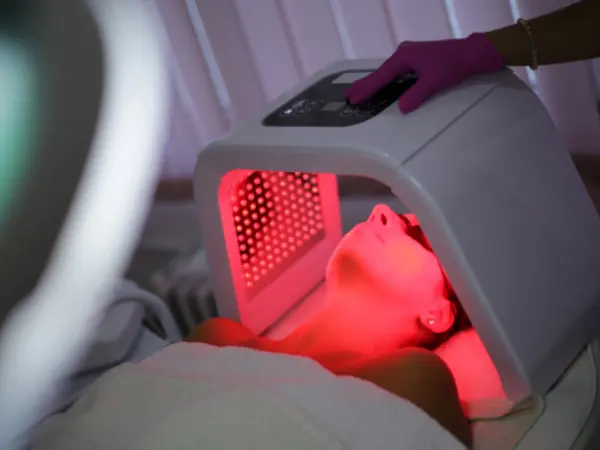
Red light therapy (RLT) uses low levels of red or near-infrared light and is being studied for applications such as skin care and tissue recovery. Devices deliver this light without breaking the skin, and sessions generally follow a structured schedule. Here is a closer look at the potential benefits of RLT:
Benefits for Skin Health
Red light therapy directs low-level light energy into the skin, and this energy interacts with cellular structures. Some researchers suggest this interaction supports cellular repair and may influence how skin responds to stress. Here are ways RLT may support skin health:
- Support for collagen activity: Light exposure may influence cells linked to collagen, which can support skin firmness over time.
- Appearance of fine lines: Some people notice softer expression lines, and these changes usually develop slowly across multiple sessions.
- Skin tone and texture: Targeted light sometimes helps even out tone in treated areas.
- Temporary redness reduction: Individuals may experience calmer-looking skin when paired with a consistent skincare plan.
- Support after other treatments: Providers sometimes combine light exposure into broader regimens.
Support for Hair Growth
RLT has been studied for its effects on hair follicles, and some findings suggest support for hair density. Devices direct light to the scalp, and sessions follow a repeated schedule over time. People use this approach alongside topical products, and they review medication interactions with their clinicians. Responses vary widely, and some may see minimal change despite consistent use.
Relief for Pain and Soreness
Red light therapy is often explored by people dealing with muscle soreness or joint stiffness who are seeking noninvasive options. Light exposure targets tissues below the skin. The therapy fits into broader pain management plans, and it does not replace prescribed medical care.
Short-Term Muscle Soreness
Individuals sometimes use light sessions after exercise to address lingering soreness in specific areas. Devices focus on muscle groups that experience frequent strain, and session timing depends on training schedules. Some athletes pair this approach with stretching, hydration, and rest, and they track responses over time.
Stiff and Uncomfortable Joints
People with joint complaints sometimes explore light exposure near affected areas under medical guidance. The goal is to support local circulation and tissue function, which may influence perceived stiffness. Sessions integrate with physical therapy exercises and medication plans, and providers monitor symptom trends.
Treatment Limitations and Safety
RLT does not replace diagnosis, and it does not address urgent medical problems. Outcomes differ between users, and published research still leaves open questions about long-term effectiveness for many conditions. Some people experience temporary redness or warmth at the treatment site, and they discuss these effects with their providers. Eye protection is often recommended during sessions, and individuals with light-sensitive conditions should speak with their clinicians first.
Devices vary widely in power and quality, and not every product follows the same standards. Individuals with implanted medical devices, active infections, or unexplained lesions should seek clearance from a healthcare professional. Clear communication with a clinician helps align therapy plans with existing diagnoses and medications.
Schedule Your Red Light Therapy Consultation
RLT offers a noninvasive option for individuals interested in skin health, hair support, or symptom relief. Outcomes depend on various factors such as treatment schedule and individual health status; a structured plan helps manage expectations. Contact a qualified healthcare provider near you to schedule your red light therapy consultation today.
