


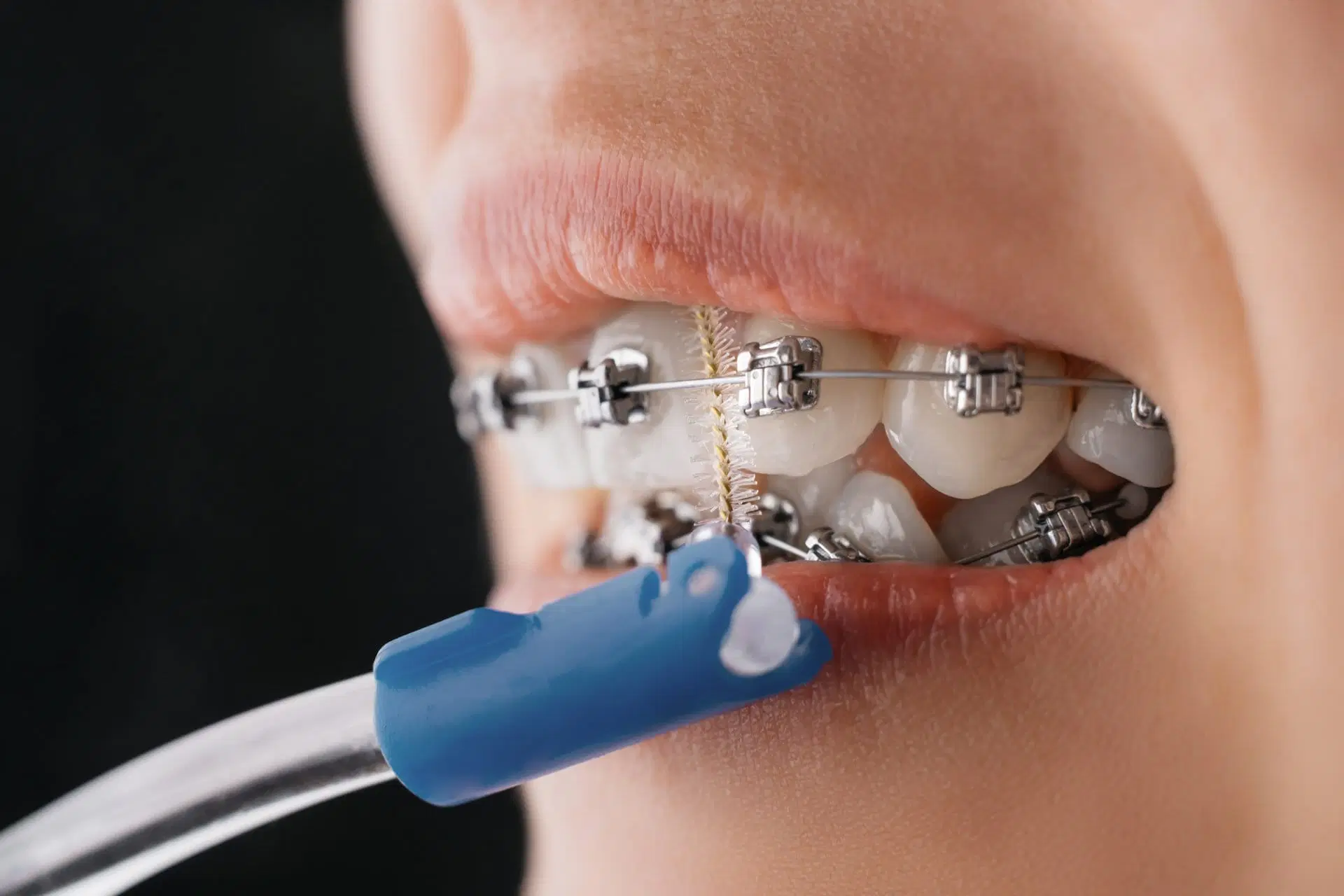
Braces straighten teeth and correct bite issues over months or years of gradual adjustment, so patients benefit from understanding how to protect their equipment. Oral hygiene is particularly valuable during this period. Poor care can lead to broken brackets and prolonged treatment timelines, which potentially results in unnecessary discomfort and delays. Here is more information on what braces are, what treatment involves, and how to properly care for these dental devices:
What Are Braces?
Braces are orthodontic devices that apply steady pressure to teeth. They gradually shift teeth into a corrected position, and orthodontists adjust the components at regular intervals for consistent progress. Brackets attach to each tooth and connect to an archwire, which guides movement over time while elastic bands or ties hold the wire securely in place. Metal braces are a common type. Orthodontists evaluate the patient’s specific alignment needs and preferences before selecting the most appropriate material.
What Does Treatment Entail?
Orthodontic treatment begins with an initial consultation. During this visit, the orthodontist examines the teeth, jaw, and bite alignment; they may also take X-rays and dental impressions to develop a tailored treatment plan. Once braces are placed, patients return every few weeks for adjustments.
The orthodontist tightens or replaces wires to continue guiding tooth movement, and treatment length varies depending on the severity of misalignment. Patients may require three years to complete treatment. Because each case differs, some patients may also need additional appliances alongside their braces.
How Are Braces Cared For?
Daily care for braces starts with brushing after every meal, which removes food particles trapped around brackets and wires. Use a soft-bristled toothbrush and fluoride toothpaste. An interdental brush can clean tighter spaces, and flossing with a threader or orthodontic floss helps reach beneath the wire where plaque tends to accumulate.
Certain foods pose risks to braces and should be avoided. Hard foods like nuts and ice can break brackets, while sticky foods like caramel or chewing gum have the potential to pull wires loose. When patients cut foods into smaller pieces, particularly items like apples or raw vegetables, they reduce strain on the equipment. Attending all scheduled appointments is beneficial. These visits allow the orthodontist to monitor progress and address loose or damaged components before they cause complications.
How Is Proper Care Beneficial?
Proper care during orthodontic treatment offers several key benefits, including:
- Maintains treatment timelines: Preventing damage helps reduce the need for repair visits.
- Protects oral health: Consistent brushing and hygiene practices reduce the risk of cavities and gum disease.
- Supports better outcomes: Healthy teeth and gums during treatment can reduce the likelihood of additional dental work once braces are removed.
Patients who follow established care guidelines are better positioned to complete treatment on schedule and achieve the intended results.
Consult an Orthodontist Now
Braces require daily attention to brushing, food choices, and appliance maintenance. Understanding what braces are, what treatment involves, and how to care for them helps patients avoid setbacks, and it may support a smoother process. If you have questions about your specific care routine or treatment progress, consult your orthodontist.
