


Melanoma is a serious form of skin cancer, and it develops in the skin’s pigment-producing cells. Doctors detect it through visual skin exams and biopsy. Treatment options range from surgical excision to radiation therapy. When dermatologists detect melanoma early, they play a central role in guiding patients through personalized treatment plans. Here is more information on what melanoma is, how it is identified, and what treatment options patients may encounter:
What Is Melanoma?
Melanoma develops when melanocytes, the cells that produce pigment in the skin, begin to grow abnormally. These mutations alter normal cell behavior, and they can result in dark, irregular spots that differ from a person’s typical moles or freckles. Because melanocytes are distributed throughout the body, melanoma can appear in areas rarely exposed to sunlight, such as the soles of the feet or under the nails.
Several factors contribute to a person’s risk of developing melanoma, including:
- Prolonged or intense sun exposure and a history of severe sunburns
- Fair skin, light hair, or light-colored eyes
- A family history of melanoma or a high number of atypical moles
How Is It Detected?
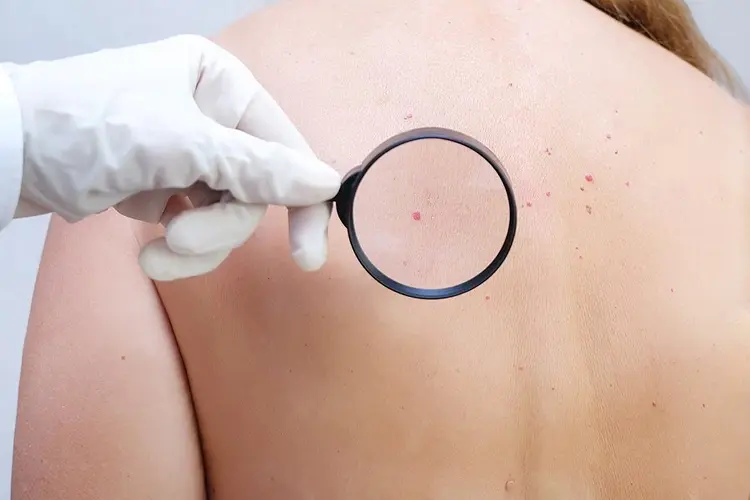
Dermatologists typically begin with a visual skin examination. They look for asymmetry, irregular borders, color variation, and diameter changes, which are commonly summarized as the ABCDE rule. Changes in size or shape over time also signal the need for closer inspection; this method helps providers distinguish between benign moles and lesions that require further testing.
When a spot raises concern, certain tools offer a magnified, illuminated view of the skin’s surface. These tools reveal structures invisible to the naked eye, and they help dermatologists determine whether a lesion warrants further evaluation. If findings remain unclear, a biopsy provides definitive answers by allowing a pathologist to examine tissue samples under a microscope. Imaging tests may follow depending on the biopsy results.
What Are the Treatment Options?
Treatment for melanoma depends on how far the cancer has progressed at diagnosis, and early identification may influence available options. Surgical excision is a standard approach for early-stage melanoma. The procedure removes the tumor along with a margin of healthy tissue, which helps resolve localized melanoma without requiring additional intervention.
More advanced cases may call for a broader range of therapies. Radiation therapy and chemotherapy are options when melanoma has spread beyond the skin, and these approaches may be used in combination depending on the extent of progression. Treatment plans are tailored to the patient’s stage, overall health, and genetic profile, since no single approach fits every diagnosis.
How Is Professional Guidance Beneficial?
A dermatologist brings specialized training that enables accurate identification of suspicious lesions; this can reduce the likelihood of missed or delayed diagnoses. Regular professional skin exams help catch changes patients may overlook during self-checks. Early identification facilitates more favorable treatment outcomes, particularly since melanoma becomes harder to manage once it spreads to other organs.
Consult a Dermatologist Now
Melanoma detection and treatment hinge on timely, accurate diagnosis. From recognizing early warning signs to exploring surgical and systemic treatment options, each step benefits from professional oversight. Patients who schedule regular skin exams position themselves for earlier detection, and prompt intervention can improve outcomes. If you notice a new or changing mole, schedule a dermatology appointment without delay.
