


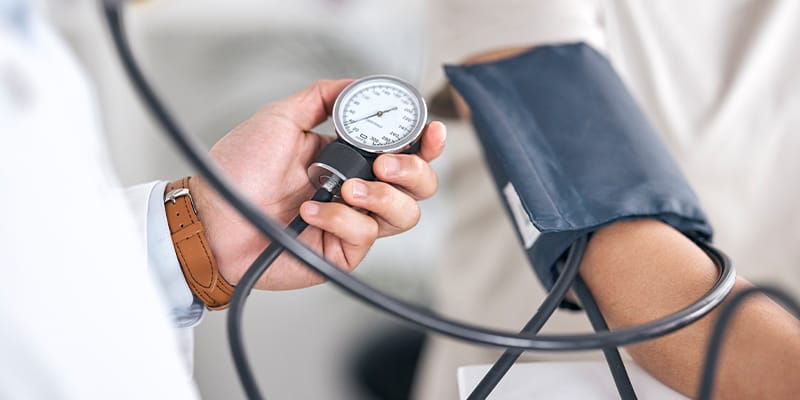
An angiologist specializes in diagnosing and treating conditions affecting blood vessels, including circulation problems associated with high blood pressure. These specialists use diagnostic imaging, vascular assessments, and minimally invasive procedures to evaluate arterial and venous conditions. Because hypertension may contribute to vascular damage, specialists often coordinate with primary care providers to monitor circulation and manage related complications. Here is more information on how an angiologist helps manage hypertension and vascular health:
Diagnosing Vascular Conditions Early
An angiologist uses diagnostic imaging to evaluate blood flow and identify abnormalities affecting arteries and veins. Ultrasound examinations and other vascular studies may reveal narrowed vessels, blockages, or circulation changes associated with certain medical conditions. Because prolonged hypertension increases the risk of arterial damage, specialists may recommend additional testing based on symptoms and medical history. Diagnostic findings also help angiologists coordinate with referring physicians to develop appropriate monitoring and treatment recommendations.
Treating Peripheral Artery Disease
Peripheral artery disease develops when plaque buildup narrows arteries supplying blood to the legs and other extremities. Hypertension contributes to vascular damage and increases the risk of developing circulation problems associated with PAD. Symptoms may include leg discomfort during walking, cold feet, slow-healing wounds, or reduced circulation. Because some patients experience no noticeable symptoms, providers evaluate individual risk factors when determining whether vascular testing is appropriate.
Angiologists assess peripheral artery disease using physical examinations, ankle-brachial index measurements, and vascular imaging when indicated. Treatment may involve lifestyle modifications, medications, or minimally invasive procedures to improve blood flow through narrowed arteries. Providers also address associated risk factors, including high blood pressure, elevated cholesterol, and tobacco use. Follow-up appointments help specialists monitor symptoms, evaluate treatment responses, and coordinate ongoing vascular care.
Managing Blood Flow Disorders
Angiologists evaluate circulation disorders affecting arteries and veins, including varicose veins and acute arterial occlusion. Varicose veins develop when weakened valves allow blood to accumulate, potentially causing swelling, aching, or visible vein enlargement. Acute arterial occlusion involves a sudden blockage of arterial blood flow and requires immediate emergency medical treatment. Common vascular services include:
- Treating venous insufficiency: Using appropriate therapies to address blood pooling, swelling, and other vein-related symptoms.
- Diagnosing arterial blockages: Performing vascular imaging to identify narrowed or obstructed arteries affecting circulation.
- Treating acute arterial occlusion: Providing emergency evaluation and interventions to restore blood flow to affected tissues.
- Monitoring vascular health: Assessing circulation changes and coordinating ongoing care for patients with associated cardiovascular risk factors.
Supporting Long-Term Vascular Health
Long-term vascular care involves monitoring blood vessel health, particularly for patients managing chronic hypertension. Angiologists may compare imaging results over time to identify changes in circulation. These findings help providers determine whether adjustments to ongoing care are appropriate.
Lifestyle habits also support vascular health alongside medical treatment. Reducing sodium intake, staying physically active, and maintaining a healthy weight may help manage blood pressure. Coordination between angiologists and primary care providers supports consistent management of cardiovascular risk factors.
Schedule With an Angiologist
Hypertension affects blood vessel health and may contribute to circulation problems requiring specialized evaluation. Angiologists assess vascular conditions through diagnostic imaging, physical examinations, and reviews of medical history. Patients experiencing persistent high blood pressure or circulation-related symptoms may benefit from additional vascular assessments. Contact a vascular specialist today to schedule a consultation and discuss your cardiovascular health concerns.
