


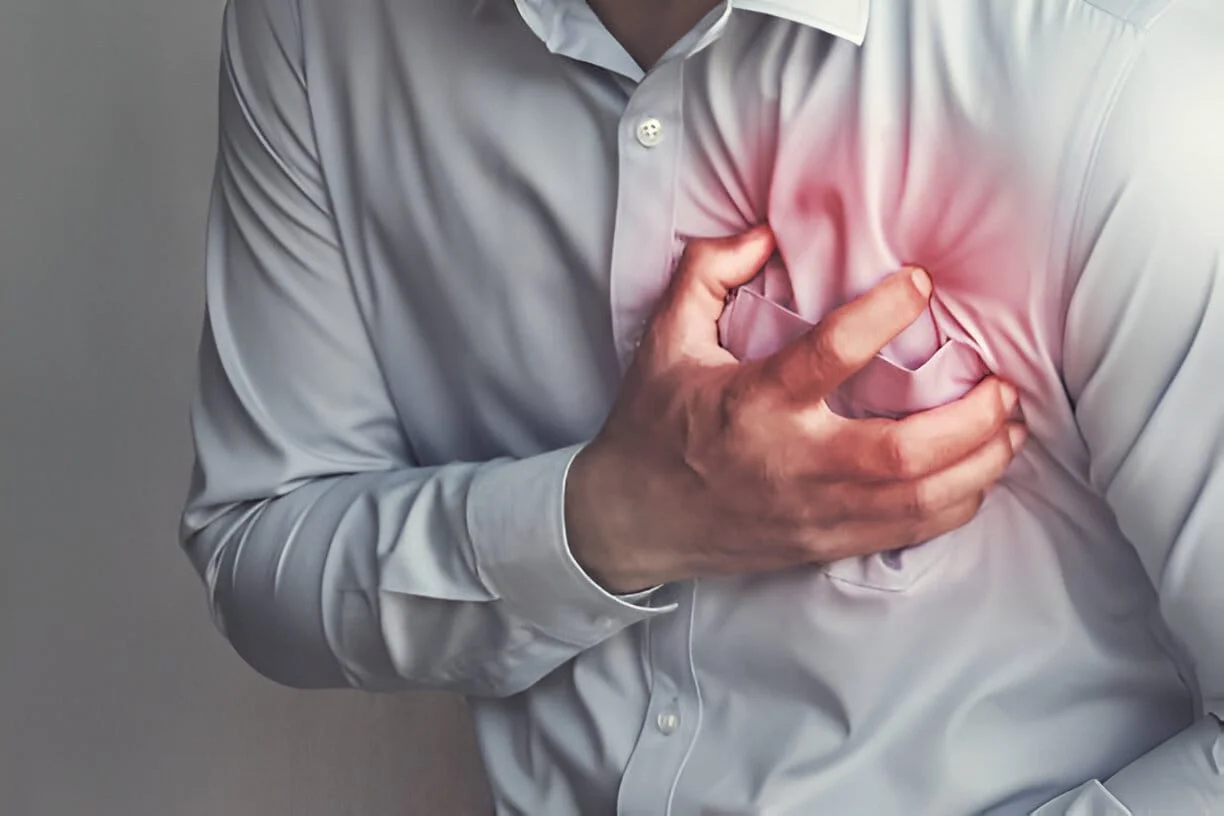
Heart or cardiovascular disease often develops silently over time before serious complications arise. Recognizing the early signs of heart disease can make a significant difference in prevention, timely diagnosis, and effective treatment. Here are some of the key signs and symptoms of cardiovascular disease to be aware of:
Overview of Heart Disease
Heart disease refers to several conditions that affect how your heart works. The most common type is coronary artery disease, which happens when blood vessels that supply your heart become narrow or blocked. Other types include heart rhythm problems, heart valve disease, and conditions you’re born with called congenital heart defects.
Symptoms To Watch For
Early signs of heart disease often start small and gradually worsen over time. Recognizing these symptoms early can help you seek medical attention and potentially prevent more severe complications. These symptoms include:
- Chest pain or discomfort, often described as pressure, squeezing, or a burning sensation.
- Shortness of breath during activities that once seemed easy, as the heart struggles to pump enough blood during physical exertion.
- Unexplained fatigue without significant physical activity could indicate that your body isn’t getting enough oxygen-rich blood.
- Swelling in the legs, ankles, or feet can occur due to poor blood flow related to heart function issues.
- Rapid or irregular heartbeats (palpitations) that may feel alarming or out of the ordinary.
- Nausea, cold sweats, or pain that may radiate to the arms, back, neck, or jaw.
Understanding these symptoms and acting promptly when they occur is key to protecting your cardiovascular health. Ignoring them can lead to worsening conditions and significant health risks.
Risk Factors for Heart Disease
Several factors make it more likely you’ll develop cardiovascular disease. Age plays a role since cardiovascular disease becomes more common as you get older. Family history is a factor you can’t change. If your parents, siblings, or other close relatives had heart disease, your risk is higher. Certain medical conditions increase your chances of developing heart problems.
Lifestyle choices also affect your heart health. Smoking damages blood vessels and reduces oxygen in your blood. Being overweight makes your heart work harder. Not getting enough physical activity weakens your heart muscle. Eating too much salt, sugar, and unhealthy fats contributes to conditions that harm your cardiovascular system. Stress and lack of sleep can also impact your heart health. Chronic stress releases hormones that can raise blood pressure and inflammation in your body.
Action Steps for Early Detection
If you experience symptoms that may indicate heart disease, don’t wait to seek medical attention. Follow these steps:
- Schedule an Appointment: For symptoms such as mild fatigue or occasional shortness of breath, schedule an appointment with your primary care doctor within a few days.
- Track Your Symptoms: Keep a record of when symptoms occur, how long they last, and what activities you were doing when they started.
- Prepare for Your Appointment: Be ready to discuss your medical and family histories, as well as your current symptoms, with your doctor.
- Undergo Recommended Tests: Your doctor may order diagnostic tests to assess your heart’s condition.
- Provide Medication Information: Inform your doctor about all medications you take, including over-the-counter drugs and supplements.
- Discuss Lifestyle Factors: Mention lifestyle factors that may influence your cardiovascular health.
Don’t ignore symptoms or hope they will resolve on their own. Early detection and treatment of cardiovascular disease can prevent complications and improve your quality of life.
Get Screened for Heart Disease
Recognizing early signs of heart disease can significantly improve your health outcomes. Symptoms like chest discomfort, shortness of breath, fatigue, and swelling shouldn’t be ignored, especially if you have risk factors for cardiovascular disease. Contact a qualified cardiologist near you to schedule your screening today.
