


Your first appointment with a cardiologist is a significant step toward understanding and protecting your heart health. Whether you’re experiencing symptoms or focusing on prevention, being well-prepared can make your visit more effective and productive. Knowing what information to bring and what questions to ask helps your cardiologist provide accurate guidance and personalized care. Here’s how to get ready for your first cardiology visit:
What Does a Cardiologist Do?
A cardiologist is a doctor who specializes in diagnosing and treating heart and blood vessel conditions. They help patients manage issues such as high blood pressure, heart disease, irregular heartbeats, and chest pain. Cardiology specialists also work with patients to prevent future heart problems through lifestyle changes and medication. Your primary care doctor may refer you to a cardiologist if they notice warning signs during a routine exam.
How Should You Prepare Beforehand?
Preparation makes your first cardiology visit more productive. Taking a few steps beforehand helps your cardiologist understand your health history and current symptoms. Here are key guidelines to help you prepare for your appointment:
- Gather your medical records: Bring copies of recent test results. If you’ve had previous heart-related procedures, include those records as well.
- Make a list of medications: Include all prescription drugs, over-the-counter medicines, vitamins, and supplements. Write down the dosage and how often you take each one.
- Document your symptoms: Note when your symptoms started, how often they occur, and what triggers them. Specific details help your specialist identify patterns and potential causes.
- Prepare a list of questions: Write down any questions you have about your diagnosis, treatment options, or necessary lifestyle changes. Preparing these in advance helps you remember key points during your appointment.
Organizing this information in advance helps your cardiologist provide precise and effective care during your visit.
What Happens During Your Visit?
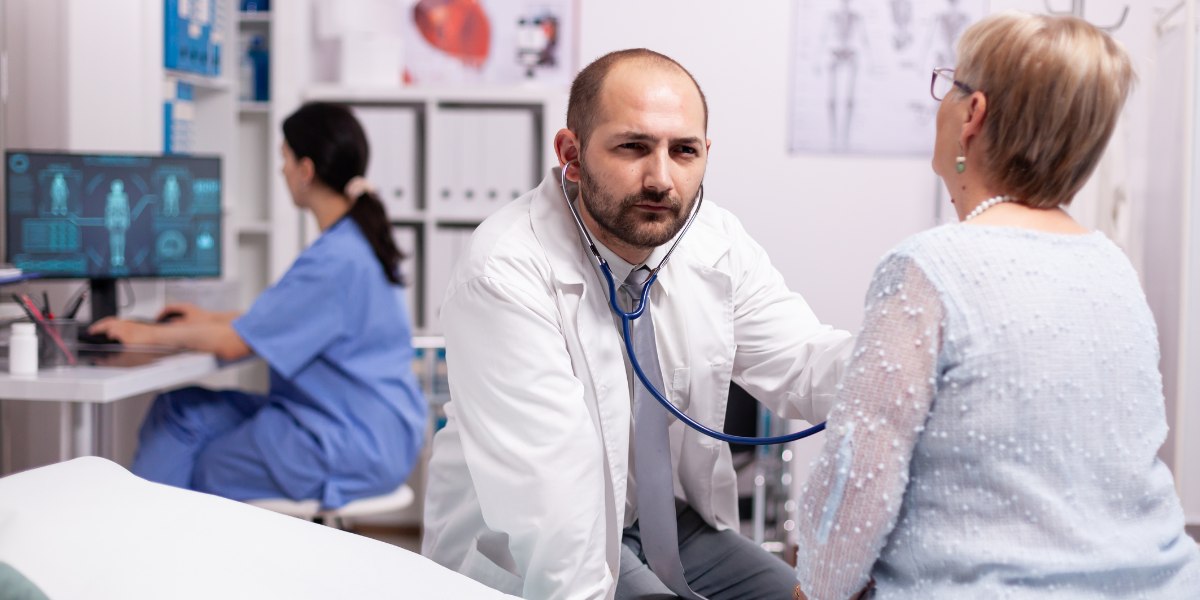
The visit starts with a review of your medical history. Your cardiologist will ask about your symptoms, past illnesses, surgeries, and family history of heart disease. They’ll also ask about lifestyle factors like diet, exercise, smoking, and stress levels. Next comes a physical exam. Your cardiologist will check your blood pressure, listen to your heart and lungs, and look for signs of circulation problems.
Depending on your symptoms, your cardiologist may order tests. After the exam and initial tests, your cardiologist will discuss their findings with you. They’ll explain what the results mean and recommend next steps. This may include further testing, medication, lifestyle changes, or referrals to other specialists.
How Can You Maximize Your Appointment?
Being an active participant in your care leads to better outcomes. Here are helpful ways to make your cardiologist appointment more effective:
- Arrive early. This gives you time to complete paperwork and settle in before your appointment.
- Be honest about your symptoms and lifestyle. If you smoke, skip exercise, or struggle to take medications as prescribed, share this openly.
- Take notes during your appointment. If you don’t understand something, ask your cardiologist to explain it in simpler terms.
- Bring a family member or friend if possible. They can help you remember information and provide emotional support.
- Follow through with recommended tests and treatments. If your cardiologist orders further tests or prescribes medication, make sure you complete these steps promptly.
Following these steps helps you make the most of your cardiologist visit.
Consult a Cardiologist Today
Gathering your medical records, listing your medications and symptoms, and preparing questions ahead of time helps you get the most from your appointment. During the visit, your cardiologist will review your history, perform an exam, and may order tests to evaluate your heart health. To take the next step in managing your heart health, contact a trusted cardiologist near you to schedule your appointment today.
