


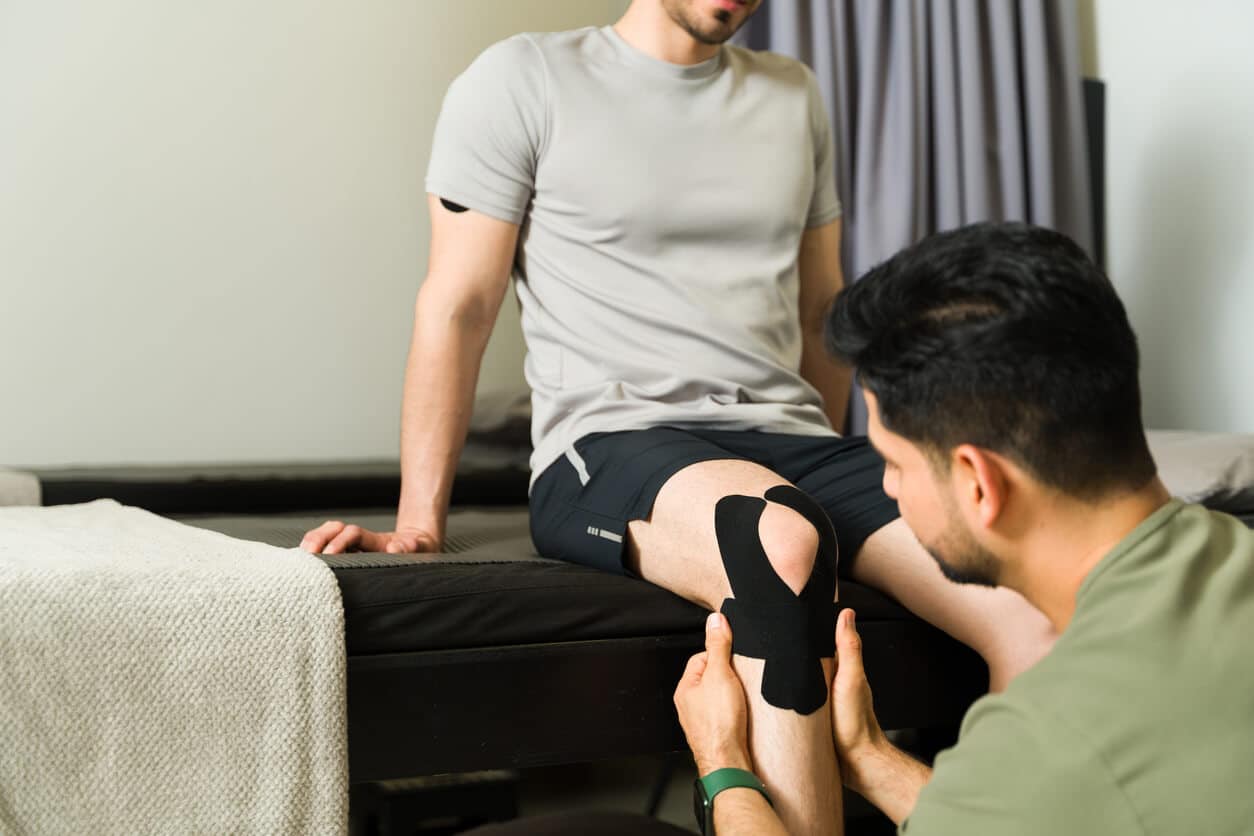
An orthopedic sports medicine practice treats injuries of the bones, joints, muscles, ligaments, and tendons. These practices serve athletes of all levels, as well as people who stay active through exercise or recreation. Specialists evaluate how an injury occurred, assess current function, and create a plan to help patients return to activity. Beyond treating the initial injury, orthopedic sports medicine providers evaluate factors that contribute to future problems, aiming to help people manage injuries and reduce reinjury risk over time. Here’s more information on the role of sports medicine specialists in injury care and prevention:
Focusing on Your Activity Goals
Each person has different physical demands, so orthopedic sports medicine specialists build care plans around individual activity goals. A competitive runner preparing for a marathon needs a different approach than a weekend tennis player or someone returning to yard work. During an initial visit, a specialist reviews your medical history, injury details, and typical activity level. They may also perform a physical exam and order imaging, such as X-rays or an MRI, to better understand your injury or pain.
With this information, the specialist can set realistic recovery milestones. If your goals change, your care team can adjust the plan to reflect your new priorities. Your care plan may account for factors such as:
- The sport or activity you want to return to
- Your training schedule and seasonal timelines
- Previous injuries to the same area
- Your current strength, mobility, and endurance
Reducing Reinjury Risk
A previous injury may increase the chance of a future injury to the same area. Orthopedic sports specialists look for underlying issues that have contributed to the original injury or concern. These issues can include muscle imbalances, limited range of motion, poor movement patterns, or improper equipment. Movement analysis is one tool specialists may use. By observing how you run, jump, throw, or lift, a provider can identify mechanics that place extra stress on certain joints or tissues.
Specialists also guide the timing of your return to activity; returning too soon can place stress on healing tissues. Waiting too long often leads to further loss of strength and conditioning. Many practices use functional testing to help determine readiness. These tests measure balance, strength symmetry between limbs, agility, and sport-specific movements. Testing results provide objective data, and your provider can use them to guide return decisions.
Your provider may recommend a gradual return, starting with lower-intensity activity and increasing load over time. Small technique changes also help distribute force more evenly across the body. Bracing, taping, or footwear adjustments can also be recommended for certain activities. Depending on the reason for your visit, your doctor may recommend physical therapy or target pain management options to support your care plan.
Building Strength and Flexibility
Physical therapy is often central to a sports medicine care plan, supporting those recovering from injury or those who need strengthening benefits. A physical therapist works with you to restore range of motion, rebuild strength, and improve stability. Strength training often addresses both the injured area and surrounding muscle groups. A knee program may include hip, core, and ankle exercises, since these areas affect how the knee moves. Stretching and mobility drills may help maintain the range of motion your activity requires. Depending on the injury, your specialist may also recommend injections, activity modification, or arthroscopic surgery.
Find an Orthopedic Sports Medicine Specialist
An orthopedic sports specialist can evaluate your injury, review your activity goals, and develop a care plan. If you have a recent injury or concerns about reinjury, contact a specialist to schedule a consultation. Bring details about your symptoms, previous injuries, and the activities you want to resume to help your provider understand your goals. By supporting your mobility needs, you can maintain your activity levels and reduce the risk of injury.
