


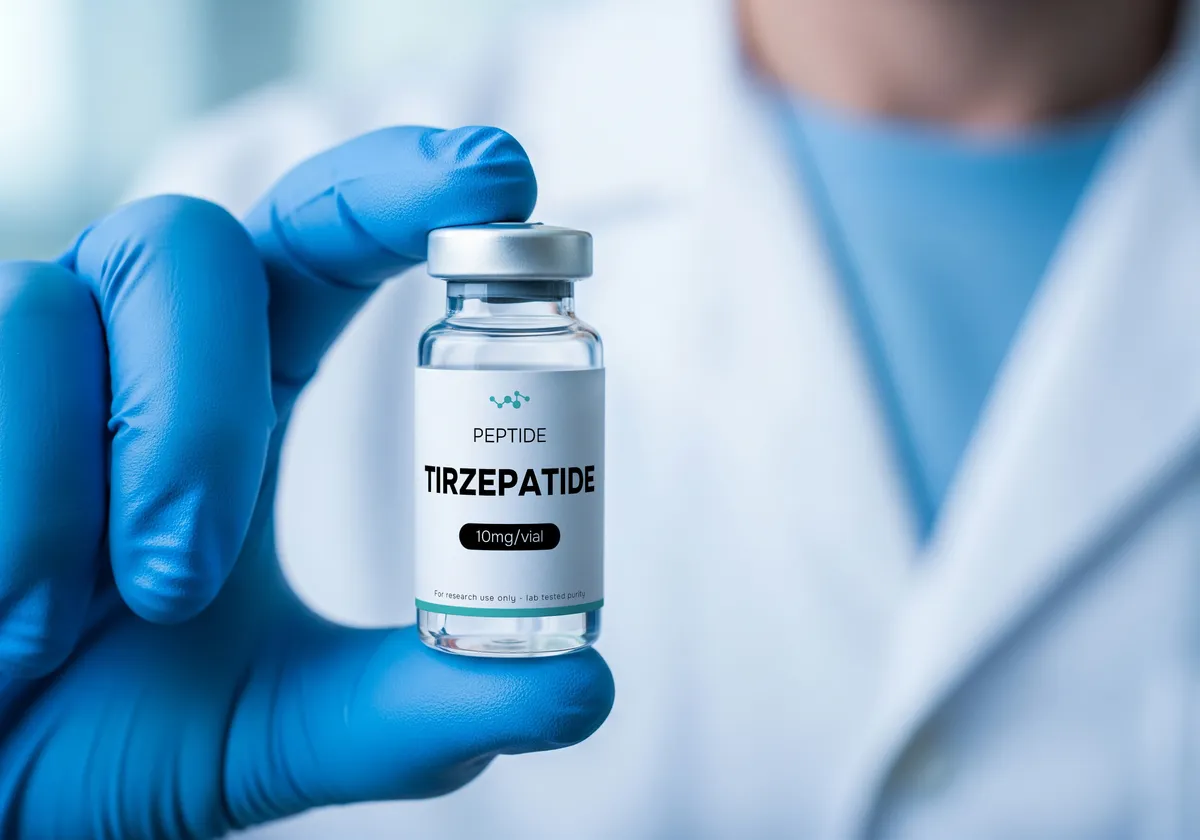
Tirzepatide is a medication that activates GIP and GLP-1 receptors to help regulate appetite, digestion, and feelings of fullness. By slowing gastric emptying and influencing hunger signals, tirzepatide may reduce food cravings and support lower calorie intake. Although individual results vary, medically supervised tirzepatide treatment, combined with dietary changes and physical activity, may support long-term weight management. Here is more information about tizepatide and its impact on appetite regulation:
Regulating Appetite Signals
Tirzepatide activates two hormone receptors, GIP (glucose-dependent insulinotropic polypeptide) and GLP-1 (glucagon-like peptide-1), which influence appetite and digestion. These hormones naturally respond to food intake and help regulate hunger, fullness, and blood sugar levels. By activating both receptors, tirzepatide may help patients feel satisfied with smaller portions and reduce food cravings.
Tirzepatide affects hormonal pathways involved in appetite regulation, which may support reduced calorie intake and weight management. Although some patients experience noticeable appetite changes, individual responses depend on factors such as dosage, metabolism, and overall health. Because treatment affects multiple hormonal pathways, healthcare providers monitor patient responses and adjust dosing according to individual needs.
Slowing Stomach Emptying
Tirzepatide slows gastric emptying, allowing food to remain in the stomach longer after eating. This delayed digestive process may extend feelings of fullness and reduce how frequently hunger returns throughout the day. Because food moves more gradually through the digestive system, glucose absorption may slow, helping regulate blood sugar levels after meals. Although individual responses vary, these effects may support appetite control and reduced calorie intake during medically supervised weight management.
Reducing Food Cravings
Tirzepatide influences hormonal pathways involved in appetite regulation and may also affect the brain’s response to food. Although individual experiences vary, some patients report fewer cravings and reduced interest in eating between meals. Common appetite-related changes during tirzepatide treatment include:
- Feeling satisfied with smaller portions: Experiencing fullness after eating less food
- Experiencing fewer food cravings: Noticing reduced interest in sugary or high-fat foods
- Staying full between meals: Feeling less hungry for longer periods after eating
- Reducing unnecessary snacking: Experiencing less frequent urges to eat between regular meals
Because treatment responses depend on dosage, individual metabolism, and overall health, healthcare providers monitor appetite changes throughout treatment.
Supporting Metabolic Balance
Appetite regulation connects closely to metabolic health, and tirzepatide’s effects extend into that territory as well. Improved blood sugar regulation reduces strain on insulin production, while steady energy intake supports more stable metabolic function over time. For patients managing both weight and blood sugar concerns, this dual benefit often makes tirzepatide a central piece of a broader medical weight loss plan rather than a standalone fix. Metabolic improvements tend to build gradually, and patients who stay consistent with dosing typically see compounding benefits across weight, energy levels, and overall metabolic markers.
Start Your Tirzepatide Treatment Today
Tirzepatide supports weight management by influencing appetite signals, slowing digestion, and helping regulate feelings of fullness. Although individual results vary, treatment may reduce food cravings and support consistent eating habits when combined with lifestyle changes. Medically supervised programs provide dosage monitoring, nutritional guidance, and ongoing evaluations to support individual weight management goals. Schedule a consultation with a medical weight loss provider today to discuss whether tirzepatide is appropriate for your health needs.
