


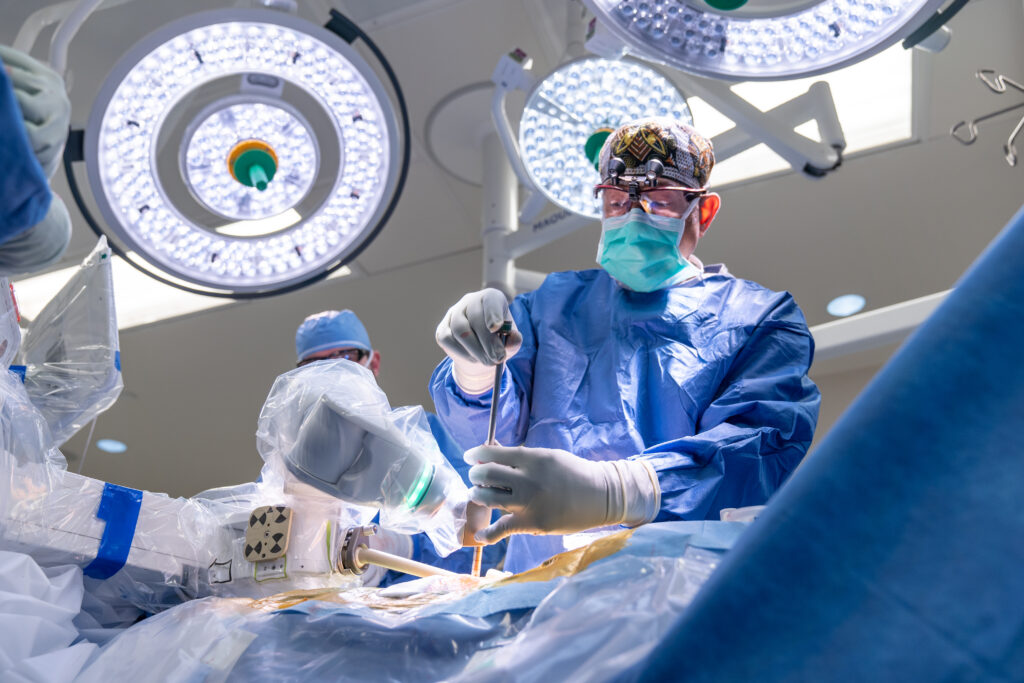
Disc surgery treats damaged or herniated discs in the neck or lower back. Your surgeon may recommend it when pain, numbness, or weakness continues after conservative care. Each procedure carries benefits and risks, and you should understand both before you decide.
Benefits of Modern Disc Procedures
Sometimes a disc surgery now uses minimally invasive techniques. These techniques use smaller incisions, so surrounding muscles and tissues experience less disruption. Because less tissue is disturbed, the body’s healing response may be more focused, and recovery usually follows a predictable path. Minimally invasive disc surgery offers several key advantages over traditional open procedures:
- Less blood loss: Smaller incisions limit disruption to surrounding tissue and blood vessels.
- Minimal scarring: Reduced incision size means less visible scarring once the skin heals.
- Less post-op pain: Patients sometiems report lower pain levels, which can reduce the need for pain medication during recovery.
- Quicker recovery: Limited tissue damage allows many patients to go home the same day and return to normal activities sooner.
Risks to Discuss
All surgery involves some level of risk, and common risks include infection, bleeding, and reactions to anesthesia. Infection will sometimes occur at the incision site, and blood clots may form in the legs. Your care team typically monitors you after surgery. They explain warning signs before you go home. Anesthesia reactions range from mild nausea to severe responses, and your anesthesiologist will review your history to reduce risk. Excessive bleeding is uncommon with minimally invasive procedures, but it remains a possibility, and your surgical team is trained to manage it. Since being informed helps you recognize concerns early, be prepared to respond quickly.
Some risks relate specifically to the spine, while others are general recovery risks. Nerve irritation or damage can occur, and it causes numbness, weakness, or pain in the arms or legs. Sometimes nerve symptoms improve gradually after surgery, but in other cases they persist; your surgeon should explain the likelihood of each based on your imaging and exam results. A disc may herniate again at the same level, or symptoms will sometimes continue after the procedure.
Steps to Prepare for Surgery
Preparation can support a smoother recovery. Before your consultation, write down your symptoms in detail and note when they started and what helps or worsens them. List all medications and supplements you take, including over-the-counter products, because some can affect bleeding or healing. Bring any prior imaging, such as MRI or X-ray results, and include relevant treatment records. Ask if you qualify for a minimally invasive procedure or disc replacement, and how your surgeon determines eligibility. Your surgeon may order new imaging, or they will request tests such as nerve conduction studies or blood work. Prepare a clear list of questions before your appointment. Ask about expected recovery time, activity limits, and follow-up visit schedules. Discuss what results are realistic for your diagnosis, and ask what happens if the procedure does not fully relieve your symptoms.
Schedule Your Disc Surgery Today
Disc surgery is a significant decision. Since understanding the benefits and risks helps you make an informed choice, ask all of your clarifying questions. Each patient’s condition is different, so a personal evaluation matters. Contact your office to schedule a consultation, and your team will review your options before you decide on treatment. Bring your imaging results and your questions to your first visit.
