


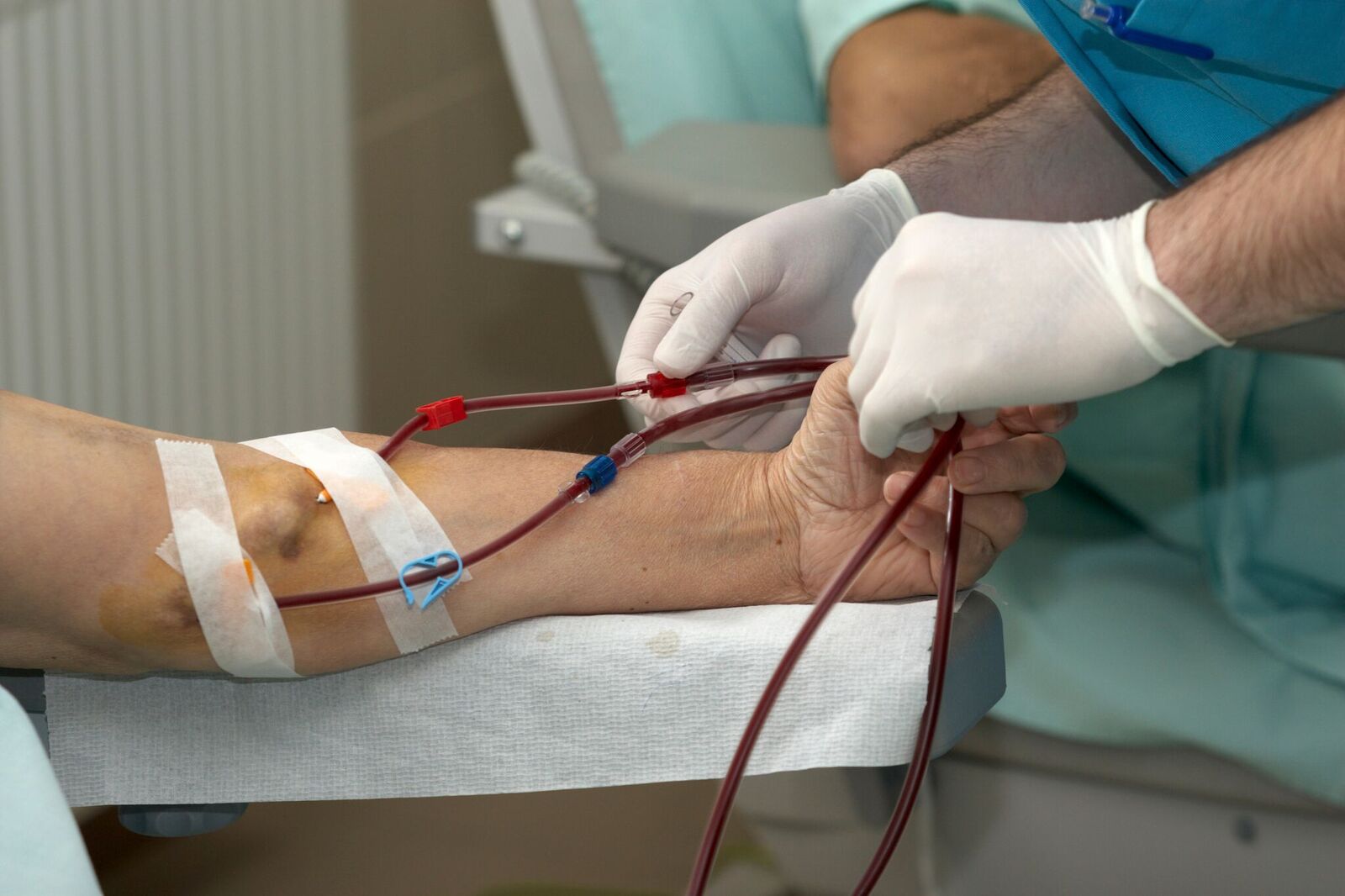
Dialysis removes waste and excess fluid from the blood when the kidneys cannot adequately perform these functions. Hemodialysis requires reliable vascular access, which specialists create through procedures such as arteriovenous fistulas or grafts. Because access points require ongoing monitoring, vascular specialists evaluate blood vessels, maintain access function, and address potential complications during treatment. Here is more information about facts and questions about dialysis access:
Defining Dialysis Access Points
Dialysis access provides a pathway for blood to travel between the body and a hemodialysis machine for filtration. Because hemodialysis requires repeated treatments, access points must support adequate blood flow and ongoing use. The three main access types include arteriovenous fistulas, arteriovenous grafts, and central venous catheters. Fistulas and grafts provide access through surgically created connections, while catheters offer an alternative when other options are unsuitable. Vascular specialists evaluate blood vessel size, circulation, and overall health before recommending an appropriate dialysis access method.
Creating Fistulas and Grafts
An arteriovenous fistula connects an artery directly to a vein, creating a durable access point for hemodialysis. Surgeons typically create fistulas before dialysis begins because the connected vein needs time to enlarge and strengthen. Although maturation times vary, fistulas generally offer longer-lasting access and lower infection risks than grafts or catheters. Vascular specialists evaluate vein size, circulation, and overall health to determine whether fistula placement is appropriate.
An arteriovenous graft uses a synthetic tube to connect an artery and vein when natural blood vessels cannot support a fistula. Grafts generally become usable sooner than fistulas, making them an option for patients requiring dialysis access within a shorter timeframe. Because grafts involve synthetic material, they carry different risks, including infection and blood clot formation. Specialists monitor graft function and recommend follow-up care to maintain adequate blood flow during dialysis treatments.
Comparing Access Options Available
Dialysis access selection depends on blood vessel health, treatment timing, and the expected durability of each access type. Fistulas and grafts both provide vascular access for hemodialysis, although their construction, maturation periods, and potential complications differ. Because individual needs vary, vascular specialists evaluate circulation, vein diameter, and medical history before recommending an appropriate option. Common differences include:
- Using natural blood vessels: Arteriovenous fistulas connect an artery directly to a vein without synthetic material.
- Allowing longer maturation: Fistulas typically require several weeks to months before they become suitable for dialysis.
- Supporting long-term durability: Fistulas generally last longer and have lower infection risks than synthetic grafts.
- Using synthetic connections: Arteriovenous grafts connect an artery and vein through an implanted tube.
- Providing earlier access: Grafts often become usable sooner than fistulas, depending on the graft type and healing process.
- Accommodating smaller veins: Grafts offer an alternative when natural blood vessels cannot support fistula creation.
- Monitoring potential complications: Both access types require ongoing evaluation for narrowing, clotting, infection, and changes in blood flow.
Creating and Maintaining Access
The Ellipsys Dialysis Access System provides a minimally invasive alternative to traditional surgery for creating arteriovenous fistulas. This FDA-cleared technology uses a catheter-based approach to connect an artery and vein without traditional surgical incisions. Because the procedure requires suitable blood vessel anatomy, vascular specialists evaluate patients before recommending this option.
Ellipsys procedures generally involve shorter treatment times, although fistula maturation and recovery vary between patients. Some fistulas become suitable for dialysis within several weeks, while others require additional procedures or longer maturation periods. Vascular specialists monitor blood flow and access development to determine when the fistula is ready for use. Regular follow-up appointments also help identify complications that could affect dialysis treatment.
Blood clots and vessel narrowing sometimes interfere with dialysis access, reducing blood flow or blocking treatment. Warning signs include swelling, difficulty during dialysis, and changes in the vibration felt over a functioning fistula or graft. Because sudden changes may indicate access complications, patients should contact their vascular care team promptly. Specialists evaluate these symptoms and may recommend procedures to restore blood flow and preserve access function.
Schedule a Consultation Today
Dialysis access options include fistulas, grafts, and minimally invasive procedures using the Ellipsys system. Each approach has different preparation timelines, and vascular specialists evaluate blood vessel health before recommending a suitable option. Patients preparing for dialysis or experiencing access complications may benefit from an evaluation to discuss treatment options. Schedule a consultation with a vascular specialist today to assess your dialysis access needs and explore available procedures.
