


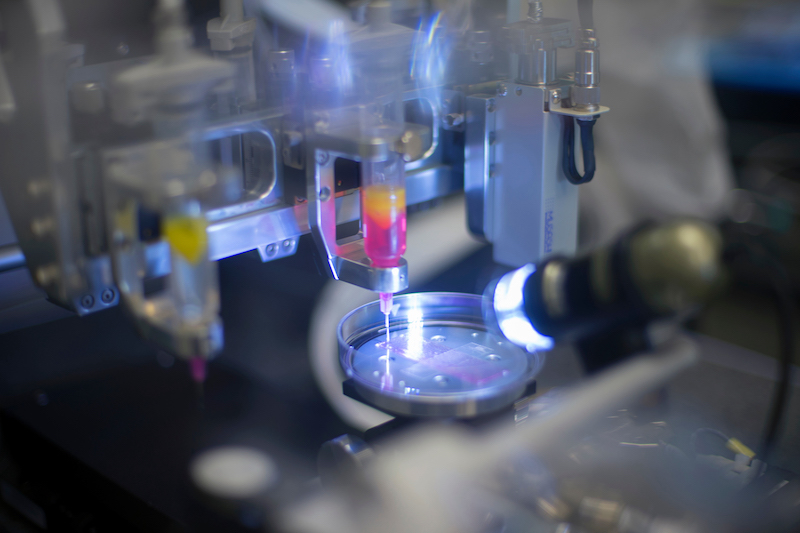
Regenerative medicine uses the body’s own cells and tissues to support repair, so it often fits naturally into orthopedic care. Instead of focusing only on symptom relief, these therapies target damaged structures. When doctors use techniques that work with existing healing pathways, the goal is to help tissue recover function. This reduces the need for more invasive procedures.
Common Approaches in Regenerative Care
Several treatment types appear in orthopedic settings, and each one works with different aspects of the healing response. A doctor reviews imaging and discusses symptoms. Then they select an approach that aligns with the affected tissue. Because regenerative medicine relies on biological materials, they often integrate with physical therapy or activity changes.
- Platelet-rich plasma (PRP): A small blood sample is processed so platelets are concentrated, and the solution is then injected near the target tissue.
- Cell-based therapies: These treatments use cells collected from the patient or from regulated sources, and they are placed where support for regeneration is needed.
- Biologic scaffolds: Doctors sometimes use biologic materials that provide structure, and these scaffolds guide new tissue growth over time.
- Combination plans: PRP, bracing, and guided exercise often work together, and this combination aims to support both structure and function.
Protective Changes Over Time
Healing with any orthopedic injury moves through stages. Regenerative therapies are timed to match those phases. Early after an injury, inflammation removes damaged cells, and a doctor may use PRP to influence that response while protecting nearby tissue. Your inflammation should settle, and cell-based treatments focus on rebuilding. Targeted loading through therapy helps new structures adapt to daily demands.
Progress may appear gradually. Patients often track changes in strength, motion, and daily comfort over weeks or months. When a physician monitors these changes closely, they adjust follow-up treatments so the healing tissue is not overstressed. Their baseline health or activity level affects tissue behavior. Some people respond quickly, and others need more time.
Precise Technique and Evaluations
Because these therapies work directly with living tissue, they use precise evaluation. Imaging helps identify the true source of pain, and targeted injections place biologic materials where they interact with the right structures. A structured follow-up schedule allows the physician to watch for gains in strength or motion. It also helps them address any setbacks early in the process. Some patients pair regenerative medicine with bracing, activity modification, and strength training, and this combination supports both short-term comfort and long-term joint health. Others use these therapies after surgery, and they work alongside standard rehabilitation to protect healing tissue. When the entire plan is coordinated, the body’s own repair processes receive focused support rather than scattered efforts.
Book Regenerative Medicine Today
People who want to learn how biologic therapies fit into their spine or sports care start with a detailed evaluation. Since every injury pattern is different, a physician reviews health history, current activity, and imaging before recommending a specific approach. Treatment plans aim to address the source of pain while improving function. Discuss which options match your goals and daily demands. Explore regenerative medicine as part of your recovery, and schedule a consultation.
