


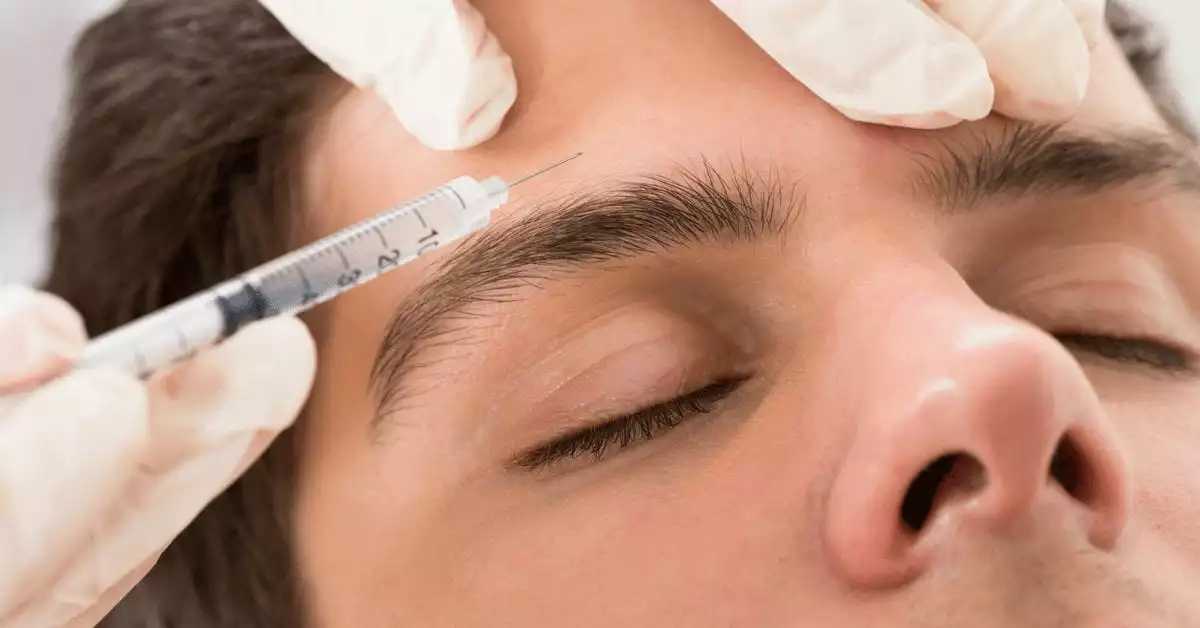
Botox is widely known for reducing the appearance of wrinkles, but it also has medical uses beyond cosmetic care. In appropriate patients, it can manage conditions involving muscle activity or excessive sweating. Here is a closer look at the uses of Botox beyond wrinkle reduction:
Preventing Chronic Migraine Headaches
The FDA approved Botox for chronic migraine prevention in adults in 2010. Chronic migraine refers to headaches on 15 or more days per month, with at least eight of those days involving migraine features. Botox is not intended for occasional headaches, and it does not treat a migraine attack that has already started. Treatment follows a set pattern. A provider gives a series of small injections across the forehead, temples, back of the head, neck, and upper shoulders. A neurologist or headache specialist reviews your history before scheduling the first session.
Treating Muscle and Eye Conditions
Botox first gained approval for conditions involving involuntary muscle activity. Its ability to relax specific muscles makes it relevant to several eye and muscle disorders. The following sections are some common applications, which providers assess on an individual basis.
Eye Conditions
Blepharospasm causes uncontrolled blinking or eyelid closure, and strabismus involves eyes that do not align properly. The FDA approved Botox for both conditions in 1989. An eye specialist injects small amounts into the muscles around the eye to relax the overactive muscle. Effects are temporary, so patients need to return for repeat sessions.
Muscle and Jaw Conditions
Cervical dystonia causes involuntary neck contractions that pull the head into awkward positions. Botox is approved for this condition and for spasticity, a type of muscle stiffness that often follows a stroke or spinal cord injury. Some providers also inject Botox off-label into the masseter muscles, which control chewing.
Managing Sweating and Bladder Symptoms
Botox also targets the nerve signals that control sweat glands and bladder muscles. These uses fall outside cosmetic care, but some people learn about them during a cosmetic consultation. The following are some of the main applications:
- Underarm sweating: The FDA approved Botox for severe underarm sweating, called hyperhidrosis, when topical products are not enough.
- Off-label sweating treatment: Some providers treat the palms, feet, or forehead.
- Overactive bladder: Botox is approved for adults whose overactive bladder has not responded to medication.
- Neurological bladder conditions: Adults with bladder leakage linked to multiple sclerosis or spinal cord injury may qualify.
Assessing Suitability and Safety
A consultation determines whether Botox suits your needs. Your provider reviews your medical history, current medications, and treatment goals before recommending a plan. People who are pregnant, breastfeeding, or living with certain neuromuscular disorders are usually not candidates. An active infection at the injection site generally delays treatment. Botox can have side effects, so discuss them with your provider. Common reactions include bruising, mild swelling, headache, or temporary drooping near the treated area. In rare cases, the toxin can spread beyond the injection site and may cause muscle weakness or difficulty swallowing.
Schedule Your Botox Consultation Today
Botox serves several purposes beyond smoothing forehead lines and crow’s feet. Approved uses include chronic migraine prevention, eye and muscle disorders, underarm sweating, and bladder conditions. While side effects like bruising, swelling, or temporary drooping are usually mild, rare complications can occur if the toxin spreads. Contact a modern med spa near you to schedule your Botox consultation today.
