


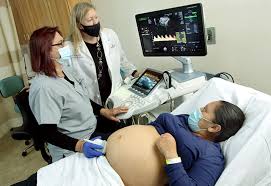
Obstetrics focuses on pregnancy, childbirth, and the weeks after delivery, and it can positively impact maternal care. Obstetricians train in both medicine and surgery, and they manage routine and high-risk pregnancies. When you choose an obstetric provider, you gain one point of contact for prenatal, delivery, and postpartum care. This is how obstetrics shapes each stage of maternal care:
Advanced Diagnostics
While routine exams track your health, diagnostic tests give obstetricians a closer look at fetal development. Some obstetrics tests screen for possible concerns, and others confirm a specific diagnosis. Your provider will explain the purpose and timing of each test. The following tests appear in most prenatal care plans.
- Ultrasound: Confirms the due date, checks fetal anatomy, and tracks growth
- Glucose screening: A blood test that checks for gestational diabetes
- Strep test: A simple swab that checks for bacteria relevant to delivery
Specialized Guidance
Prenatal visits follow a set schedule, and each visit has a specific purpose. In the early stages of pregnancy, you’ll typically see your obstetrician once a month. As your due date approaches, those visits become more frequent to keep a closer eye on you and your baby. Each visit includes a weight check, a blood pressure reading, and a fetal heartbeat check.
Since nutrition affects fetal growth, obstetricians review your diet and supplement use at early appointments. Most providers recommend a daily prenatal vitamin that includes folic acid, as it plays a key role in your baby’s development. Your need for iron and calcium also increases during pregnancy, so your provider may suggest dietary changes or additional supplements. They may also offer guidance on safe exercise and healthy weight gain throughout your pregnancy.
Obstetricians also review medications, vaccines, and existing health conditions. If you have diabetes, high blood pressure, or thyroid disease, your obstetrician may adjust your treatment plan. Some medications pose risks during pregnancy, and others remain safe to continue. Bring a full list of your current prescriptions to your first visit.
Surgical Interventions
Most births occur vaginally, but some situations require surgery. A cesarean delivery is the most common obstetric surgery. Obstetricians may recommend a cesarean when the baby is breech or labor stops progressing. Placenta previa and certain infections may also lead to a planned cesarean.
While cesareans are effective, they involve a longer recovery than vaginal births. Obstetricians also perform other procedures during and after delivery. An episiotomy widens the vaginal opening, and a dilation and curettage removes retained tissue after birth. Your obstetrician will review the reasons, risks, and recovery time for any procedure.
Improved Outcomes
Research links regular prenatal care with lower rates of certain complications. When providers detect problems early, they have more time to plan treatment. Postpartum care matters too, and many obstetricians now schedule follow-up within three weeks of birth. Areas of focus include the following.
- Preeclampsia monitoring: Regular blood pressure checks and urine tests throughout pregnancy
- Gestational diabetes management: Diet changes, glucose tracking, or medication as needed
- Postpartum depression screening: Questionnaires at follow-up visits after delivery
- Preterm labor assessment: Cervical length checks for patients with known risk factors
Find an Obstetrics Clinic
Obstetric care covers pregnancy from the first visit to postpartum recovery, and each stage involves specific tests and decisions. Look for a board-certified obstetrician with privileges at a hospital near you. Before you book, check whether the clinic accepts your insurance and offers high-risk care. Contact an obstetrics clinic today to schedule your first prenatal appointment.
