


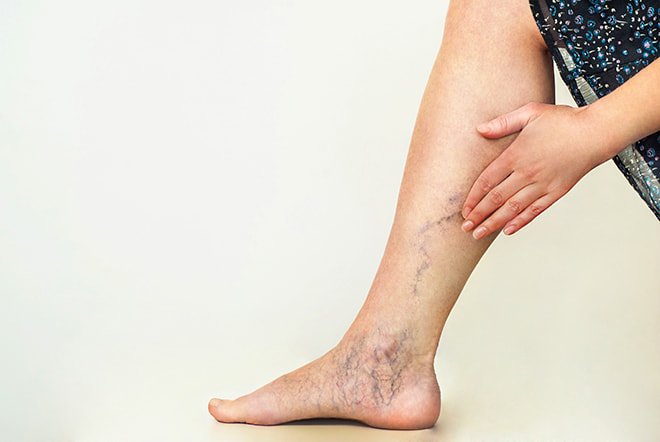
Varicose veins develop when blood doesn’t flow efficiently through the veins in the legs, and they can affect daily life. The veins stretch, twist, and become more visible under the skin, and some people have aching or a heavy feeling in the legs. Since this condition progresses over time, early attention helps limit its impact on comfort and mobility. Here is more information on varicose veins and treatment options:
Damaged Valves and Vein Walls
Healthy leg veins move blood upward toward the heart, and one-way valves keep it from flowing backward. When those valves weaken, blood pools in sections of the vein, and pressure inside the vessel rises. The vein wall stretches as this pressure builds, and the vessel loses some of its natural elasticity. Over time, that stretching creates the rope-like appearance linked with varicose veins.
Changes inside the vein start long before surface veins look enlarged. When a person stands or sits for long hours, the leg muscles do not assist circulation as effectively. The valves work harder under that load, and small areas of reflux develop in specific segments. Those segments widen and twist, and the altered blood flow pattern affects nearby branches as well.
Visible Changes
Once vein walls weaken, the surface of the skin reflects those changes in several ways. Some people notice blue or purple veins first, and others see bulging cords along the calf or behind the knee. Color shifts, mild swelling, and texture changes appear in the same region as varicose veins. These signs help guide evaluation and influence which treatment options fit the pattern of disease:
- Raised, rope-like veins that follow a winding path along the leg
- Blue, purple, or darkened veins just beneath the skin surface
- Mild ankle or calf swelling that worsens after standing
- Tight, dry, or irritated skin near enlarged veins
Standard Treatment Options
Sclerotherapy targets smaller or medium-sized problem veins with an injected solution. The solution irritates the inner lining of the vein, and that lining collapses so blood no longer flows through it. As the body gradually absorbs the closed vein, nearby healthy veins take over the circulation load.
Ablation treatments use controlled energy, and it closes off a malfunctioning vein from the inside. A thin catheter enters the vein through a small access point, and energy travels along the segment showing reflux. As heat from the device causes the vein wall to shrink and seal, blood reroutes into healthier pathways. This approach avoids large incisions.
Radiofrequency ablation works on the same principle as other ablation methods, using radiofrequency energy as the heat source. The device delivers consistent thermal energy along the length of the targeted vein, and the treated segment eventually fibroses. Since the vein closes, pressure in nearby branches typically decreases, and symptoms linked with varicose veins sometimes improve.
Surgical Corrections
When surface veins are large and close to the skin, ambulatory phlebectomy offers a direct removal approach. A specialist makes a series of very small punctures along the path of the vein. The bulging segments are removed through those openings. The remaining healthy veins return blood from the leg, and the removed segments no longer contribute to pooling.
Get Treated for Varicose Veins
Left untreated, varicose veins cause pressure in the legs. An evaluation reviews symptoms and examines visible veins. Treatment plans then match the pattern of disease with options such as sclerotherapy, ablation, or phlebectomy. Early attention to vein health supports better circulation over time, and it helps limit progression of surface and tissue changes linked with this condition.
