


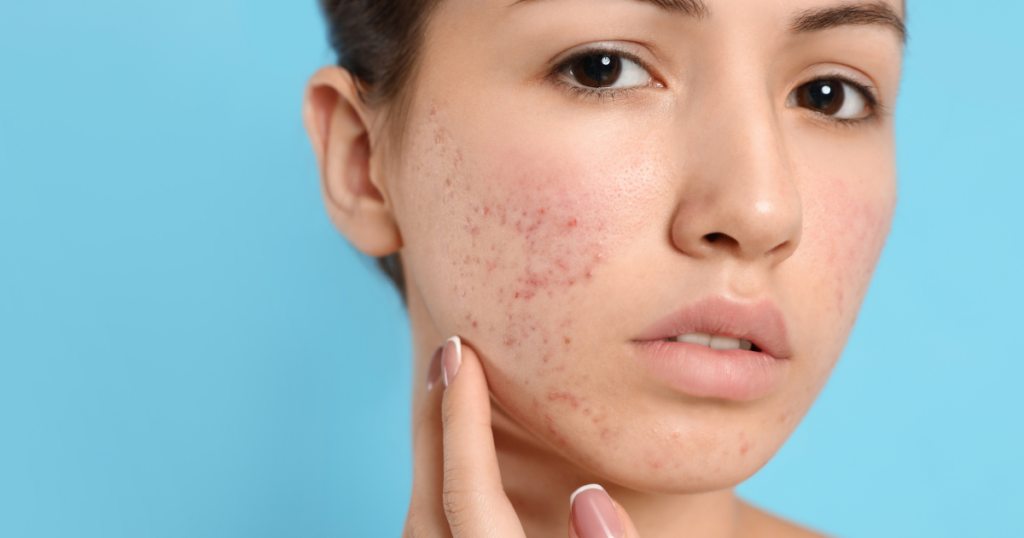
Dermatology offers a range of innovative treatments for acne scars, including laser resurfacing and microneedling. A qualified dermatologist can assess scar type and skin condition, and they will recommend the most effective treatment plan. Each patient’s skin is unique, so treatment outcomes will vary. Here is more information on how acne scars are treated:
What Is Dermatology?
Dermatology is the branch of medicine focused on diagnosing and treating conditions of the skin, hair, and nails. A dermatologist’s expertise spans both medical and procedural treatments, which allows them to offer comprehensive care. Dermatology clinics today function as diagnostic centers and treatment facilities, and this enables patients to receive an accurate diagnosis and begin treatment quickly.
What Are Acne Scars?
Acne scars are permanent textural changes or indentations in the skin, and they result from severe or repeated acne. They differ from post-inflammatory hyperpigmentation. While hyperpigmentation refers to temporary discoloration, acne scars involve structural changes to the skin that occur when deeper layers sustain damage during a breakout.
Several types of acne scars exist. Understanding their distinctions is integral for determining appropriate treatment. Atrophic scars appear as depressions in the skin. They include three subtypes: ice pick, boxcar, and rolling scars, each of which presents differently depending on the extent of tissue loss. Hypertrophic and keloid scars are raised, and they form when collagen overproduction occurs during the healing process.
What Causes Them?
Acne scars develop when inflamed acne lesions damage the surrounding skin tissue. During the healing process, the skin produces collagen to repair the affected area, which determines whether a depressed or raised scar forms. Several factors influence the likelihood of scarring, including:
- Severity and duration of the acne
- Genetic predisposition to scarring
- Physical manipulation or picking of lesions
- Delayed treatment of active acne
Understanding these contributing factors is key in assessing an individual’s risk of developing acne scars and determining appropriate preventive or treatment measures.
What Are Innovative Treatments?
Modern dermatology offers several treatments for acne scars, and the most appropriate option depends on scar type, skin tone, and the degree of correction needed. Microneedling uses a device fitted with fine needles to create controlled micro-injuries in the skin. These micro-injuries stimulate the body’s natural collagen and elastin production, which gradually improves scar texture and depth over time.
The SmartSkin CO2 fractional laser delivers targeted beams of light energy into the skin. While the laser removes damaged tissue, it simultaneously promotes new collagen formation, addressing both surface texture and deeper scar structures. Results are progressive, and patients may experience continued skin improvement over several months following each session. Intense pulsed light (IPL) and broadband light (BBL) therapies use broad-spectrum light to target pigmentation irregularities associated with acne scarring.
The PicoSure laser operates on ultra-short pulse durations measured in picoseconds, and because it delivers energy at a speed, it stimulates collagen remodeling with reduced recovery time. PicoSure addresses both pigmentation and textural irregularities, and it is suitable for a broad range of skin tones. It may be used for patients with acne-related pigmentation concerns.
Consult a Dermatologist Today
Acne scarring can be addressed through a range of proven dermatological treatments. The right approach depends on scar type, skin characteristics, and individual treatment goals; a qualified dermatologist will evaluate these factors. Early consultation may lead to earlier intervention and better long-term outcomes. If you have an acne scar, schedule an appointment with a dermatologist to discuss your options.
