


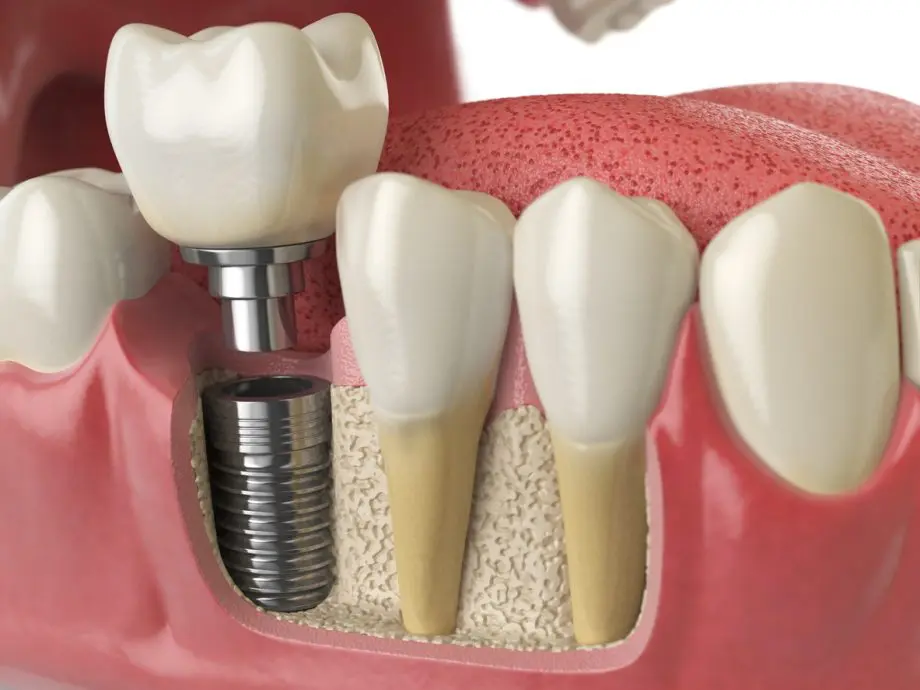
A dental implant is a small titanium post, and it replaces a missing tooth root. Your dentist places it in your jaw, and a natural-looking crown sits on top. You may now know when this treatment fits their situation. Here are some signs that you need a dental implant:
Lost Tooth
Losing a tooth changes how you look and how your mouth works. A gap forms, and nearby teeth may drift toward the empty space over time. When you lose a tooth to injury or extraction, a dental implant fills that spot. Your dentist reviews the area and your jawbone before making a plan.
The timing of your visit matters after tooth loss. Jawbone shrinks when a tooth is gone, so early action gives you more options. Your dentist checks bone density during the exam. A clear plan follows once the results come back.
Loose Dentures
Dentures that slip make eating and speaking harder than they need to be. You might notice them shifting during meals, and this grows frustrating fast. If your dentures no longer fit well, implants offer a steadier base. Your dentist explains how implant-supported dentures attach.
Implant-supported dentures rely on posts set into the jaw. These posts hold the denture firmly, and daily tasks feel less stressful. Before recommending this route, your dentist looks at a few things:
- The health of your gums
- The amount of jawbone available
- The patient’s overall oral health history
Severe Tooth Decay
Deep decay sometimes reaches the point where a filling or crown will not hold. When decay destroys most of the tooth, removal may follow. An implant replaces that tooth after extraction, and it keeps the neighboring teeth in place. Your dentist confirms the extent of the damage with an exam and X-rays.
Not every decayed tooth needs an implant, though many do. Your dentist weighs the damage against other treatments first. If saving the tooth is not realistic, extraction and an implant become the path forward. You receive a clear explanation of each step before treatment starts.
If the decay is caught early, a filling or crown might be sufficient to restore the tooth. Removing the damaged tooth and replacing it with an implant restores function and a natural appearance, preserving your ability to chew and smile confidently. While the process may take time, your dentist will guide you through every stage, prioritizing your comfort and understanding.
Difficult Time Chewing
Trouble chewing often signals a deeper problem with your teeth. You might avoid certain foods, and that habit affects your diet. When missing or damaged teeth make chewing hard, an implant restores that function. Your dentist examines your bite to find the source.
A stable implant lets you chew on both sides again. Some patients report changes in how they eat once treatment finishes. Your dentist may suggest an implant after ruling out other causes. A short list often helps you spot the warning signs:
- Chewing on only one side of your mouth
- Avoiding tough or crunchy foods
- Feeling pain when biting down
These signs require attention during your next appointment. Small issues grow when left alone, and early care keeps choices open. Your dentist talks through what each symptom means. Together, you decide on the next move.
Get Dental Implants Near You
Dental implants address tooth loss, loose dentures, decay, and chewing trouble. Each sign points to a conversation with a professional, and only an exam confirms your options. If you notice any of these signs, a dentist reviews your case in detail. Call your local dental office or schedule online today to start the conversation.
