


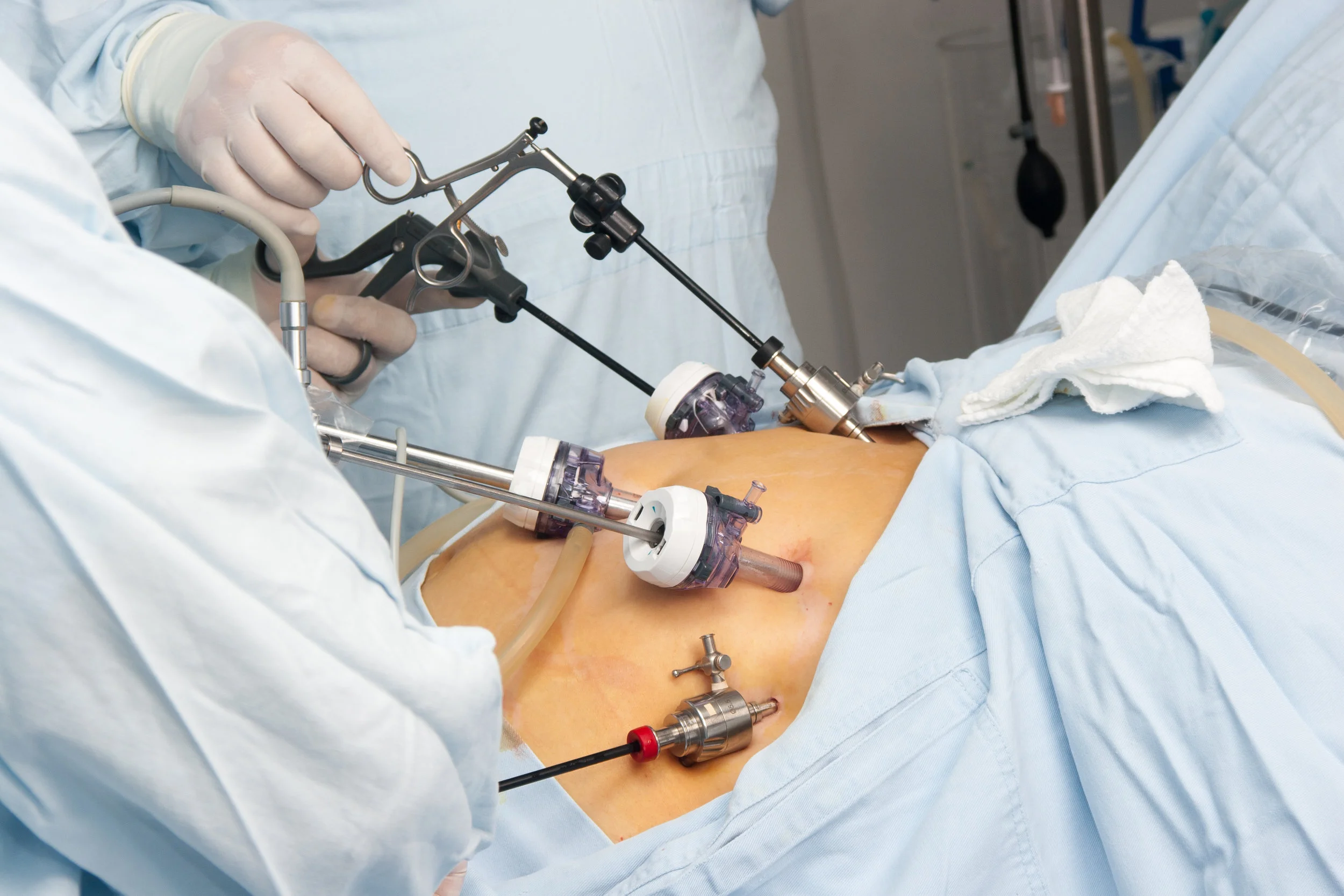
A person might have their gallbladder removed for several reasons, and the most common one is the presence of gallstones that cause pain or block the flow of bile. Some people develop inflammation, infection, or other conditions that affect how the organ works; these problems can interfere with daily life. When symptoms persist or complications arise, a surgeon may recommend removing the gallbladder to relieve discomfort and prevent further issues. Here is more information about gallbladder removal surgery and its effect on weight management:
What Is the Gallbladder?
The gallbladder is a small, pear-shaped organ located beneath the liver. It stores bile, a fluid the liver produces to help break down fats during digestion. When you eat a meal that contains fat, the gallbladder releases bile into the small intestine, and this process supports the absorption of certain nutrients. Bile also helps the body eliminate waste products that the liver filters out. The gallbladder concentrates and holds this fluid until the body needs it. When the gallbladder malfunctions or contains stones, a gallbladder removal procedure can become necessary.
What Are Gallbladder Symptoms?
Gallbladder problems can produce a range of physical signs, and one of the most noticeable is pain in the upper right side of the abdomen. This pain may appear after eating fatty foods or sometimes comes and goes over time. Other symptoms of gallbladder problems may include:
- Nausea and vomiting
- Bloating and indigestion
- Yellowing of the skin or eyes, known as jaundice
- Fever and chills
Jaundice could indicate a blockage in the bile ducts, while fever and chills indicate an infection caused by a buildup of bacteria when bile cannot drain properly. These symptoms may warrant gallbladder removal surgery.
What Is Gallbladder Removal?
In a gallbladder removal, known medically as a cholecystectomy, a surgeon takes out the gallbladder. Doctors often recommend it when gallstones or other conditions cause ongoing problems. Surgeons perform gallbladder removal using a laparoscopic approach, and this method involves several small incisions rather than one large cut.
The surgeon inserts a tiny camera and specialized instruments through these openings to detach and remove the organ. In some cases, an open surgery may be necessary, particularly when scar tissue or complications make the laparoscopic method difficult. Many who undergo minimally invasive surgery can return home the same day or the next day because of smaller incisions. The body continues to produce bile after the surgery, so the liver simply sends this fluid directly into the small intestine instead of storing it.
How Does Removal Affect Weight?
After gallbladder removal, the way the body processes fat changes, and some people notice differences in digestion after surgery. Without a storage organ, bile flows into the intestine in a steadier stream rather than in concentrated releases after meals. These changes may prompt dietary adjustments that affect weight management.
Some people report changes in their weight following the procedure, though experiences differ widely. A portion of individuals may find that fatty or heavy meals cause discomfort; this reaction sometimes leads them to adjust what they eat. These dietary changes sometimes influence weight over time.
Others may experience temporary digestive shifts such as looser stools until the body adapts to the new pattern of bile flow. Regular physical activity and consistent eating habits also play a role in managing weight after the procedure. Building meals around the following foods can support comfortable digestion, as they place less demand on the fat-processing system:
- Lean proteins such as chicken, fish, and legumes
- Vegetables including leafy greens, carrots, and broccoli
- Low-fat dairy such as non-fat yogurt and skim or 1% milk.
Learn More About Gallbladder Removal
The gallbladder stores bile and supports fat digestion, and problems such as gallstones can trigger pain, nausea, and other symptoms that lead to surgery. If gallstones are the source of your discomfort, they may be removable with minimally invasive techniques that involve small incisions and shorter recovery times. To learn more about gallbladder removal, consult a qualified surgeon near you.
