


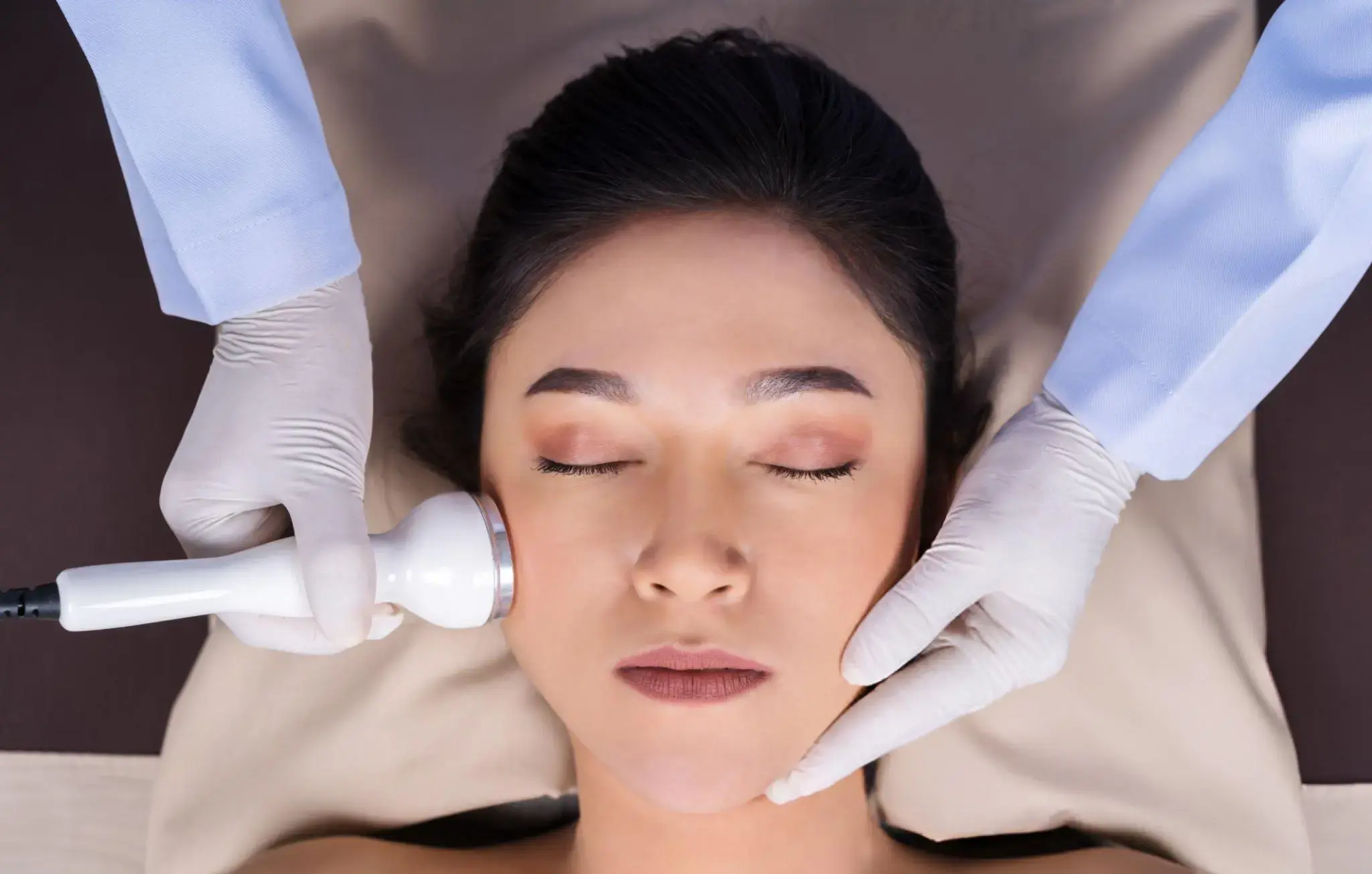
Skin laxity is a natural result of aging, sun exposure, and shifts in body composition. As collagen and elastin production slows over time, the skin loses firmness and begins to sag, which can change skin texture. Non-invasive skin tightening treatments offer a way to address this without surgery or extended downtime, and understanding the available options helps patients make an informed decision.
What Is Skin Tightening?
Skin tightening refers to a category of treatments designed to firm and tone skin that has become lax or loose. As the body ages, it produces less collagen and elastin, which are two proteins responsible for the skin’s structure and elasticity. This reduction changes skin texture and firmness. These treatments stimulate the skin’s natural repair processes; they prompt regeneration to reverse or slow the effects of collagen loss.
What Are the Non-invasive Options?
Several non-invasive treatments are available, each targeting different layers of the skin and suited to different concerns.
- Dermablade is a manual exfoliation technique that removes the outermost layer of dead skin cells, improving texture and stimulating cell renewal.
- Chemical peels use a combination of acids to resurface the skin, encouraging fresh skin growth and improving tone.
- Microneedling creates controlled micro-injuries in the skin using fine needles, triggering the body’s natural healing response.
- Profractional laser targets precise columns of skin tissue to stimulate deep collagen remodeling.
Each of these treatments varies in intensity, recovery time, and the skin concerns they address most effectively. A qualified provider will assess the patient’s skin and recommend the most appropriate option based on their goals.
What Does the Process Involve?
The treatment process typically begins with a consultation. During this stage, the provider assesses the patient’s skin condition, medical history, and treatment goals, which allows them to determine the most appropriate procedure or combination of procedures. Expectations around results and recovery may be discussed in detail; this process helps the patient be well-informed before proceeding.
On the day the treatment is conducted, the skin is cleansed, and a topical numbing agent may be applied depending on the procedure. The duration of the treatment varies based on the area being treated and the method used. Post-treatment redness and skin sensitivity are common, but these effects may resolve within a few days.
What Are the Benefits?
Non-invasive skin tightening treatments offer several advantages over surgical alternatives. Because these procedures do not require incisions or general anesthesia, the risk profile is lower. Recovery time is reduced; patients may return to their daily routine within a few days.
Results develop gradually as collagen production increases over weeks to months, and this progressive improvement may appear more natural than the immediate changes associated with surgery. Collagen remodeling takes time. Patients may find that a series of treatments produces cumulative results. Skin firmness and texture continue to improve over time, which makes non-invasive options beneficial for those seeking subtle, long-term enhancement.
Explore Your Options Today
Non-invasive skin tightening offers a practical, lower-risk way to achieve firmer, more youthful-looking skin, and there is a range of treatments suited to varying skin types, concerns, and goals. The right treatment depends on factors including skin laxity, downtime tolerance, and the specific results you are looking for. If you are looking to improve your appearance, consult with a qualified medical spa provider.
